When to Trim Bushes and Shrubs in Ohio: A Seasonal Pruning Guide
The right time to trim bushes in Ohio depends on when each shrub flowers. Spring-blooming shrubs like lilac and forsythia should be pruned within two weeks of their flowers fading, usually in May. Summer-blooming shrubs like burning bush and panicle hydrangea should be cut in February or March before new growth starts. Evergreens like boxwood and arborvitae need shaping in late May or June, after the first flush of spring growth. Cutting at the wrong time costs you a year of flowers, the shrub's natural shape, or both.
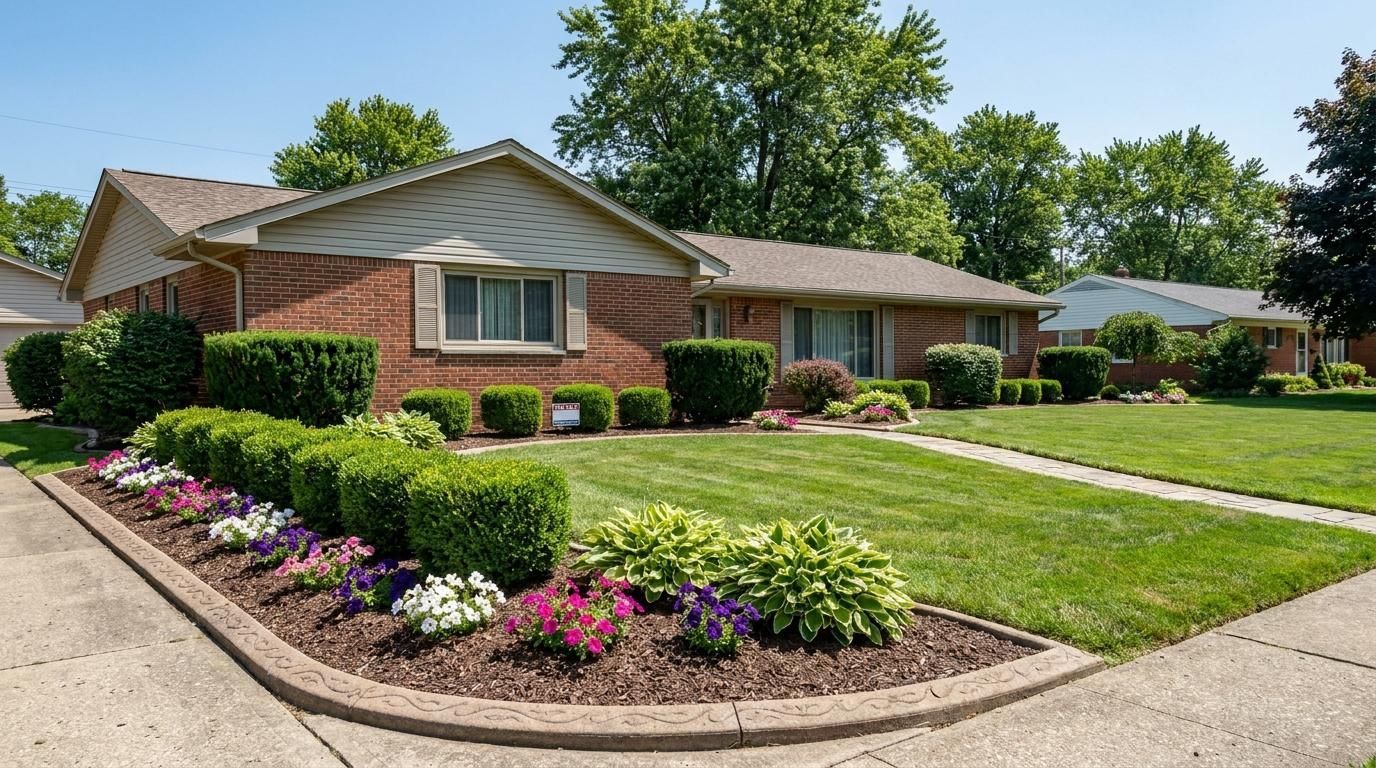
Stuckey's Curb & Landscape handles bush trimming across Toledo and northwest Ohio, matching each job to the shrubs in the yard. The sections below cover the three trimming categories in detail: when each spring bloomer needs its post-flower cut, why summer bloomers get pruned in the dead of winter, and how evergreens follow a completely different schedule than the rest.
Spring-Blooming Shrubs: Prune Right After Flowering
Spring bloomers set next year’s flower buds during summer. Cutting them in fall or winter removes those buds before they ever open. Timing the first trim around bloom cycles is one of the most important tasks on any spring lawn care schedule for Ohio yards.
Lilac
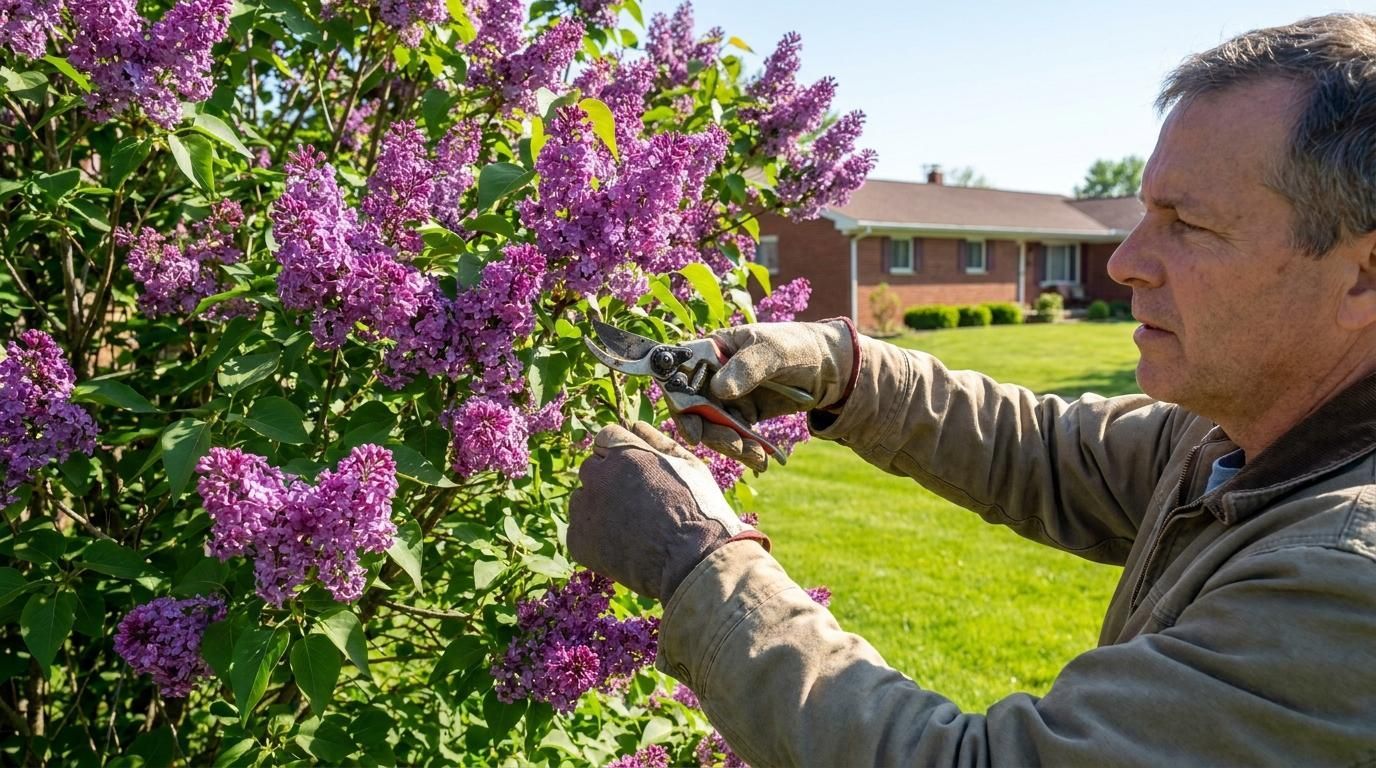
Prune lilac within two weeks of the last flowers dropping. Remove spent flower heads, thin out older canes at the base, and shape lightly. Waiting past June means fewer blooms the following year because the shrub has already started setting new buds.
Forsythia
Forsythia flowers on wood from the previous year. Trim right after the yellow blooms fade in April. Cut up to one-third of the oldest branches at ground level to prevent the shrub from becoming leggy and bare at the base.
Bigleaf Hydrangea
Bigleaf (mophead) hydrangeas bloom on old wood. Prune lightly after flowers fade, and avoid cutting stems that haven’t bloomed yet. Panicle hydrangeas are different. They bloom on new wood and follow a late-winter schedule instead.
Summer-Blooming and Deciduous Shrubs: Prune in Late Winter
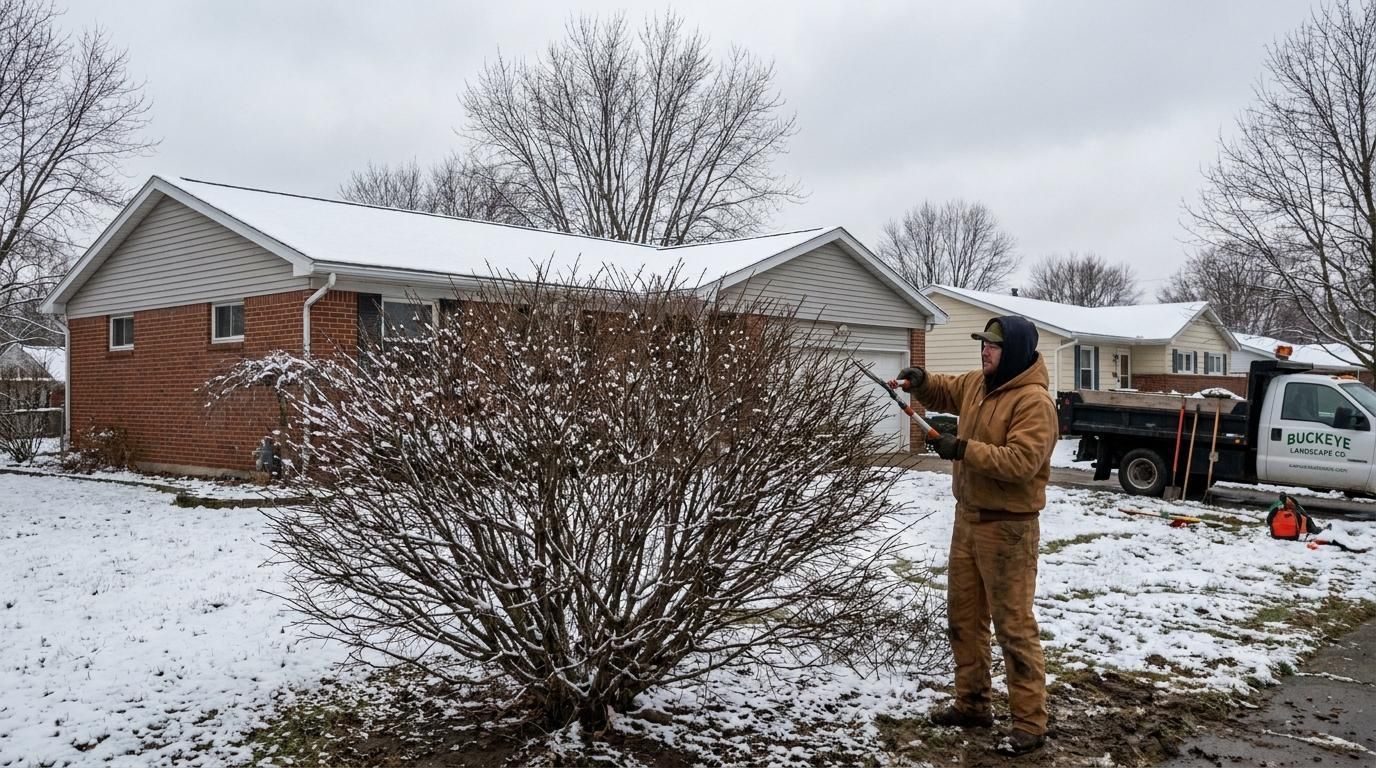
Shrubs that bloom on the current season’s growth benefit from a late-winter cut before new shoots emerge. February through early March is the standard window for most landscaping work on summer-blooming shrubs in northwest Ohio.
Burning Bush
Burning bush grows aggressively in Ohio’s climate and can overtake a bed in a single season without attention. Prune in February or March to control size and shape before spring growth starts. Hard structural cuts are fine. The plant recovers quickly once temperatures rise.
Panicle Hydrangea
Unlike bigleaf varieties, panicle hydrangeas bloom on new wood. Cut them back by about one-third in late February or early March. This encourages larger, showier flower heads the following summer.
Rose of Sharon
Rose of Sharon blooms mid-to-late summer on current-year growth. Remove dead wood, thin crowded interior branches, and reduce overall height in late winter before buds break. Left unpruned, it tends to get tall and sparse at the base.
Evergreen Shrubs: Shape in Late Spring to Early Summer
Evergreens grow differently from deciduous shrubs. Boxwood, arborvitae, and yew need trimming after the first flush of spring growth hardens off, not during their dormant season. The goal is to shape new growth before it turns woody.
Boxwood
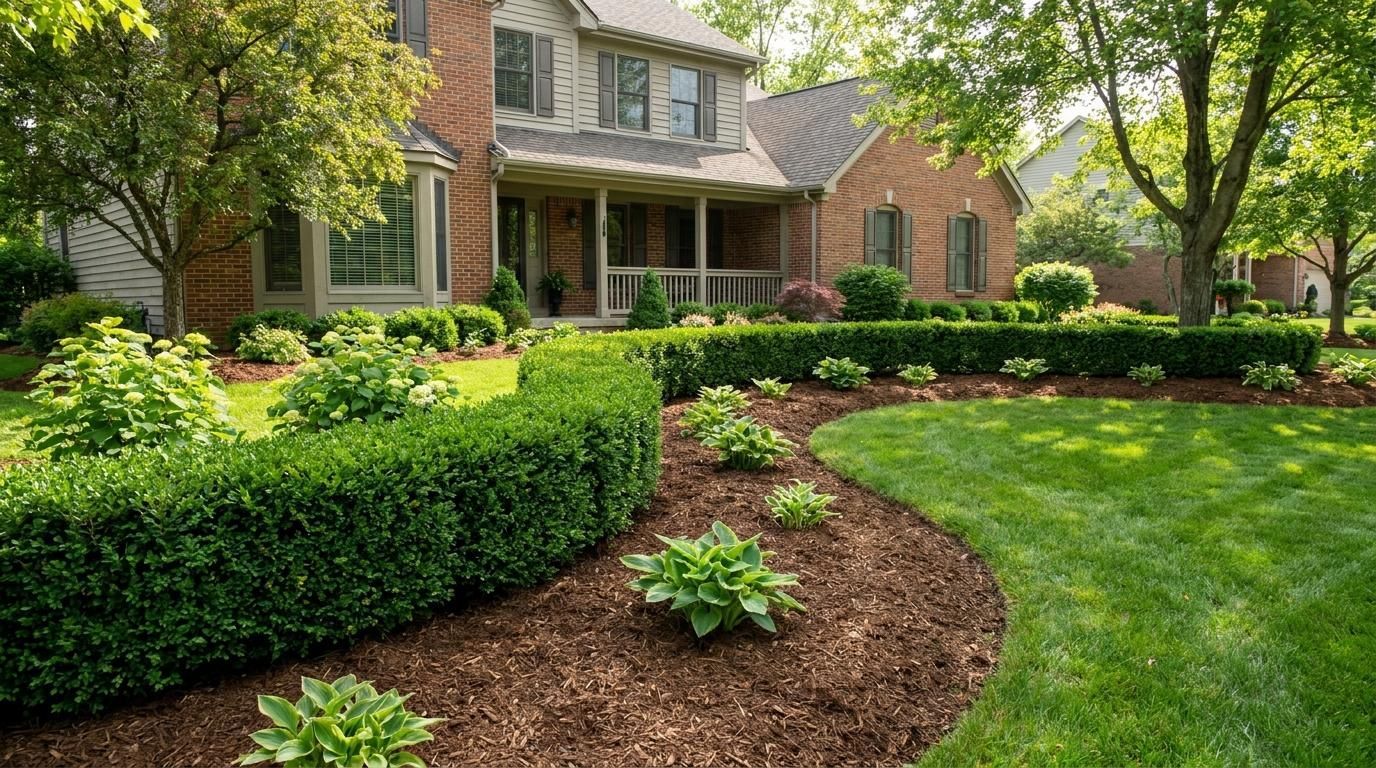
Trim boxwood after new growth firms up in late May or June. Light shaping keeps hedges dense without exposing bare interior branches. Avoid late-summer pruning in Ohio. New growth won’t harden before the first frost, which typically arrives in mid-October in the Toledo area.
Arborvitae and Yew
Arborvitae responds best to trimming in June after its spring growth spurt. Yew tolerates pruning from late spring through midsummer. Neither species should be cut deep into bare old wood. Unlike deciduous shrubs, they rarely send out new growth from old stems.
Frequently Asked Questions
What month is best to trim most bushes in Ohio?
The best month for trimming bushes in Ohio depends on the species. Spring bloomers like lilac and forsythia need trimming in May, right after flowers fade. Summer-blooming and deciduous shrubs do best with a late-winter cut in February or March. Evergreen shaping typically happens in June once the first growth flush hardens off.
Can you trim bushes during summer in Ohio?
You can trim bushes during summer in Ohio. Light touch-up pruning is safe through July for most shrub species. Avoid heavy cuts on spring-blooming shrubs after June, since they’ve already formed next year’s flower buds. Stuckey’s Curb & Landscape can assess which specific shrubs in your yard are safe to trim during the warmer months.
What happens if you never trim your bushes?
If you never trim your bushes, shrubs can develop dead interior branches, lose their natural shape, and produce fewer blooms over time. In northwest Ohio , overgrown shrubs also trap moisture against siding, which promotes mold growth and paint damage. Regular trimming keeps growth healthy and prevents branches from blocking windows and walkways.
Keep Your Shrubs on Schedule
The right pruning window depends on when the shrub flowers. Spring bloomers need attention within two weeks of their flowers fading. Summer bloomers come back in February or March before new growth starts. Evergreens hold for late May or June, when the first flush of spring growth has firmed up. Get the timing right and you'll see a full season of flowers next year. Miss it by a few weeks and the shrub becomes leafy with no blooms.
Stuckey's Curb & Landscape handles the timing for homeowners across Toledo, Holland, Sylvania, Maumee, and Perrysburg. Contact Stuckey’s Curb & Landscape at (419) 356-3648 for a free estimate. No contracts and no pressure—just a walk-through of what's in your yard and when each shrub should be cut.