
Grading Your Yard for Drainage: A Northwest Ohio Homeowner's Guide

Nate Stuckey • June 15, 2026

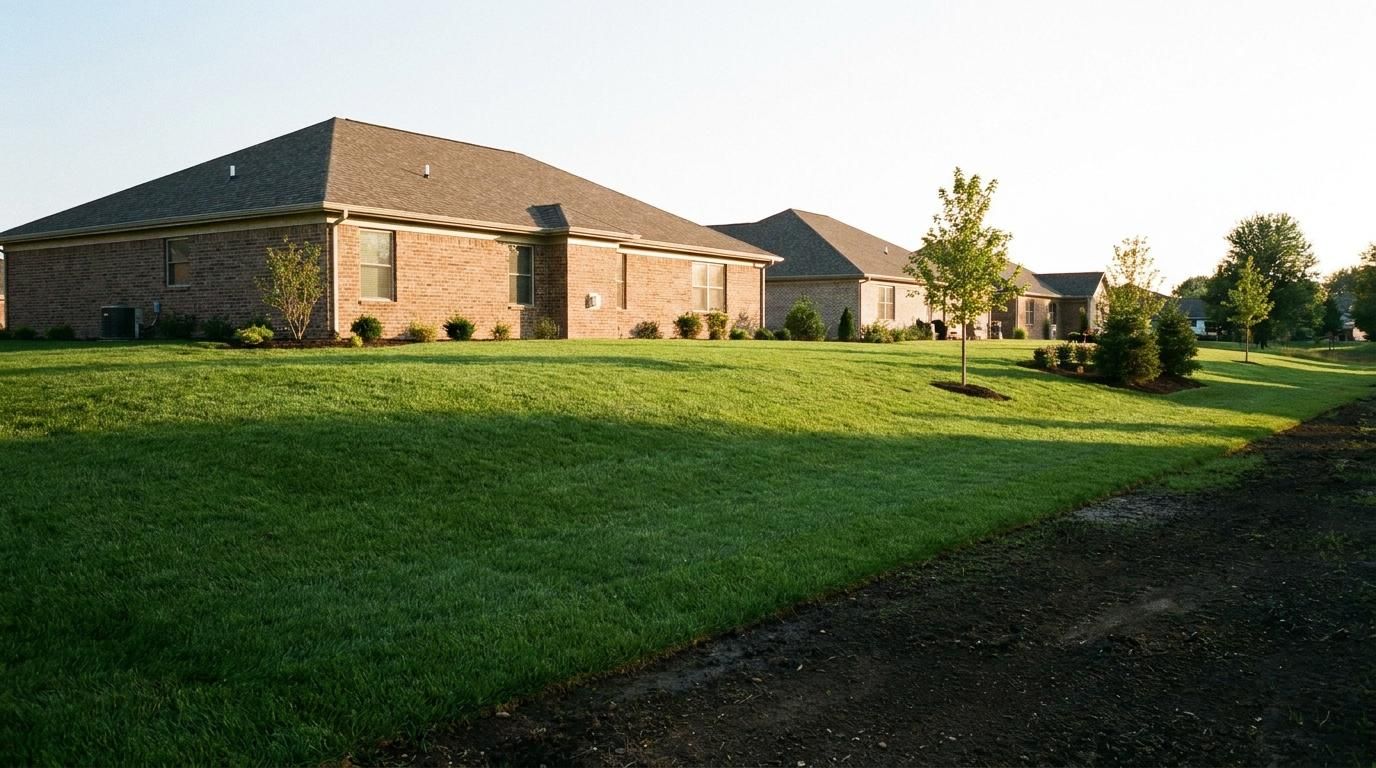
Grading a yard for drainage means shaping the soil so water flows away from the house instead of pooling around it. The standard is at least six inches of fall in the first 10 feet from the foundation, then a gentle 1% to 2% slope across the rest of the lawn. Stuckey's Curb & Landscape handles grading as part of its landscape design and maintenance work around Holland and Toledo.

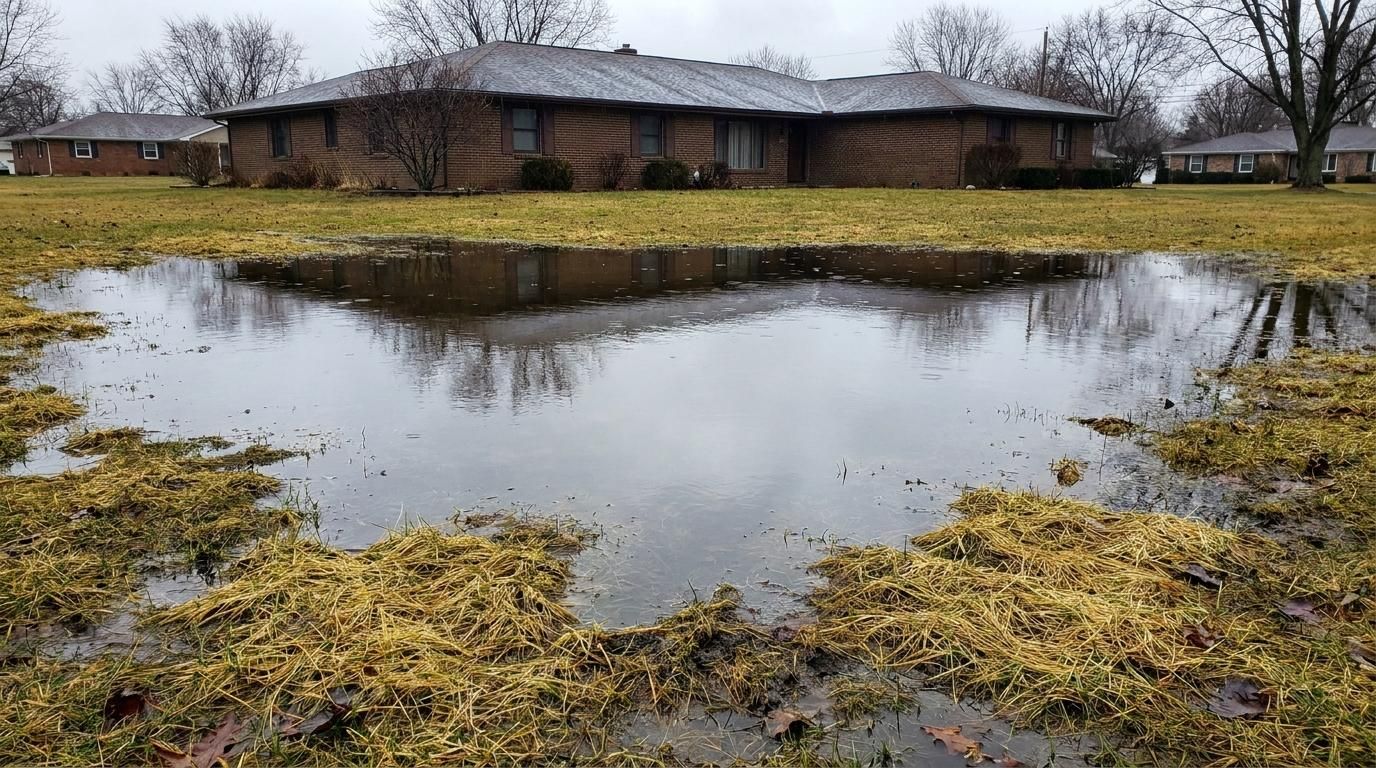
Most homeowners assume a soggy yard is a downspout issue. On many Northwest Ohio lots, the real concern is that the original builder grade has settled, the soil has compacted, or the lot was nearly flat to begin with, so the water has nowhere to go. In this article, we explain why local yards flood, the signs that point to the grade, what the fix involves, and what regrading costs in the Toledo area.

Why Northwest Ohio Yards Experience More Drainage Problems

Three factors compound on Northwest Ohio lots. The Maumee Valley is one of the flattest stretches of land in the lower Midwest, with single-digit elevation changes across whole subdivisions, which leaves water with very little gravitational help. Heavy clay soil sits underneath most of the topsoil, and clay drains at roughly a tenth the rate of sandy loam, so anything that does soak in stays in the top few inches for days. Builder-graded yards from the 1980s and 1990s have also settled, especially around foundations where backfill was loose. Layer a wet spring on top of those three and the same lawn that looked dry in July is holding two inches of water in April.

Four Signs Your Yard Needs Regrading

Four warning signs separate a real grade problem from a one-storm fluke.

  • Standing water that lasts more than 24 hours after a normal rain
  • Yellow or thinning grass in the lowest spots of the yard, even when the rest of the lawn is healthy, frequently leading to bare spots on the lawn
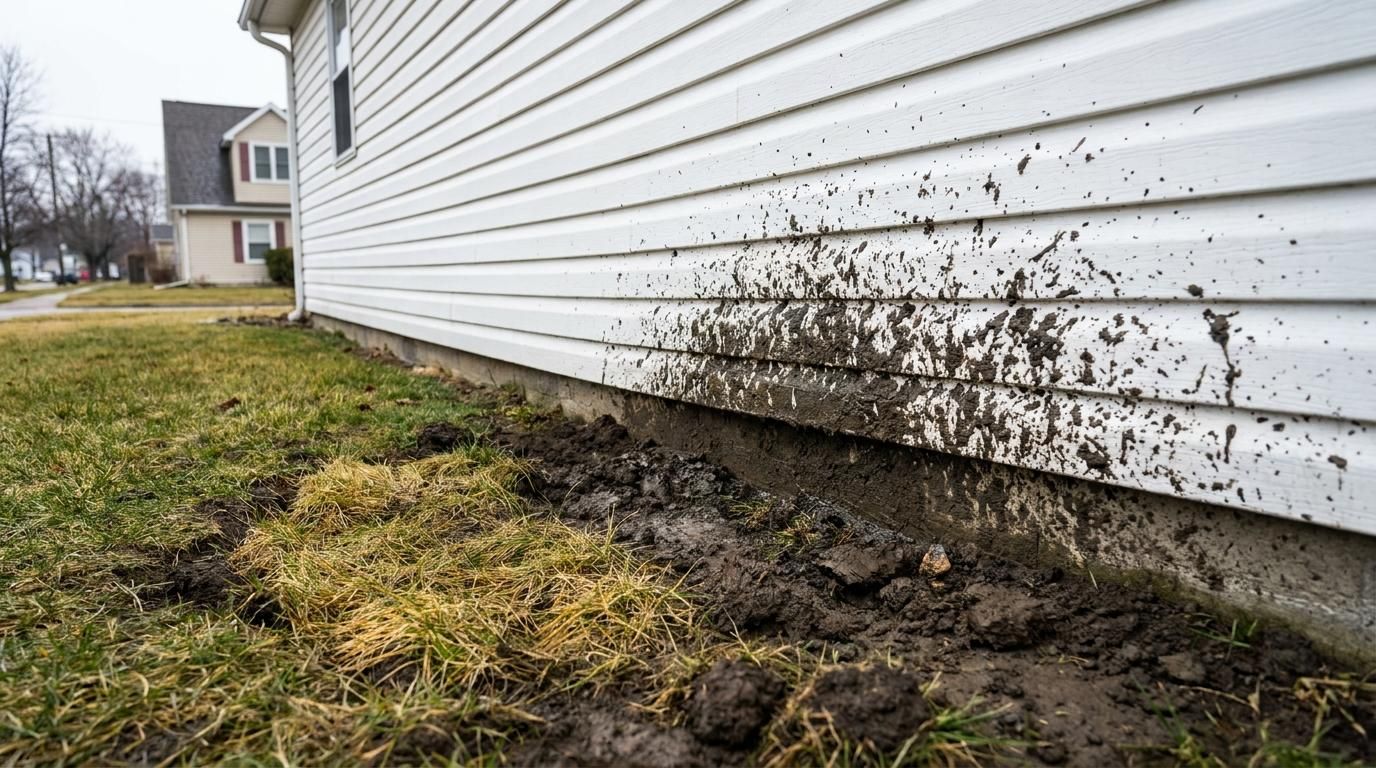
  • Mud splash or visible erosion lines on the foundation siding after storms
  • A damp basement, foundation hairline cracks, or efflorescence on the lower walls

One sign by itself can indicate a problem with the gutters, a missing downspout extension, or a single bad storm. Two or more together point at the grade.

The Grading Process: What's Actually Involved

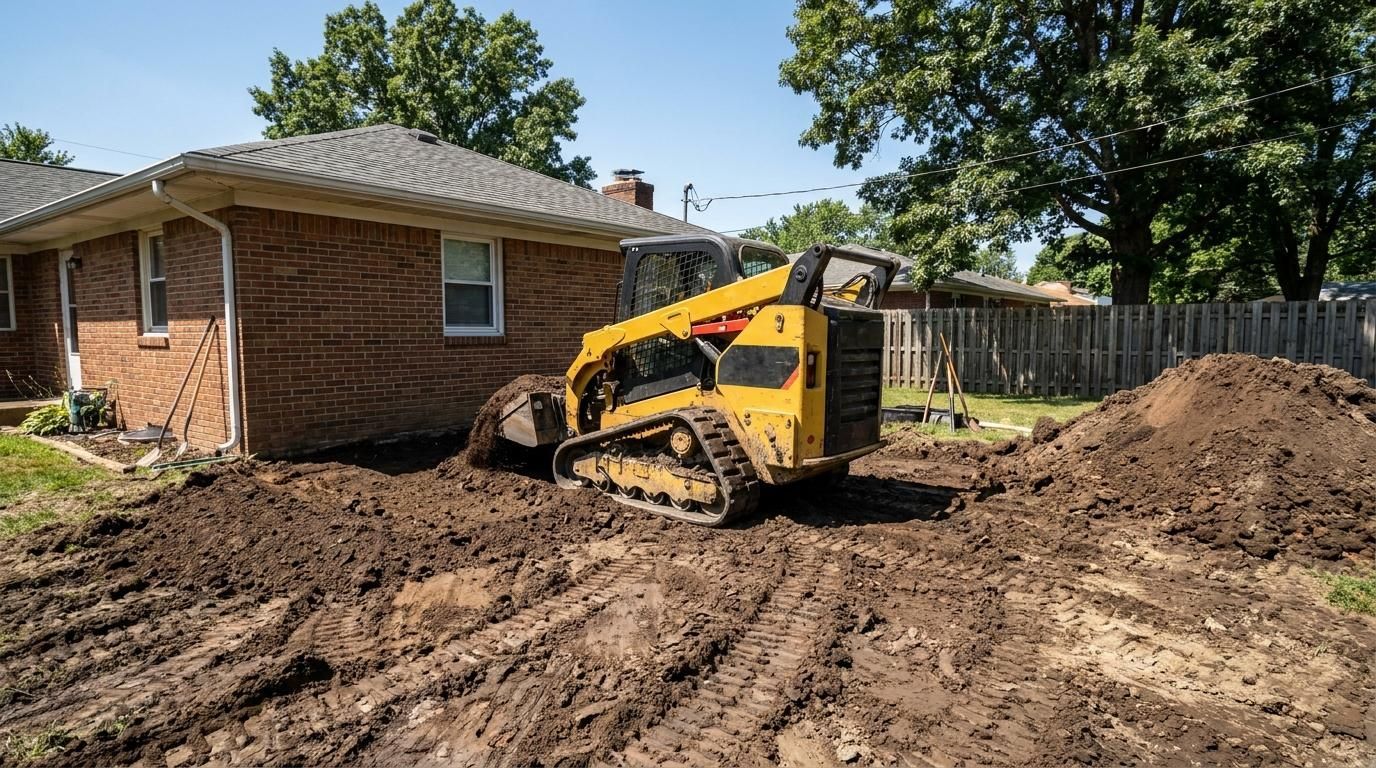
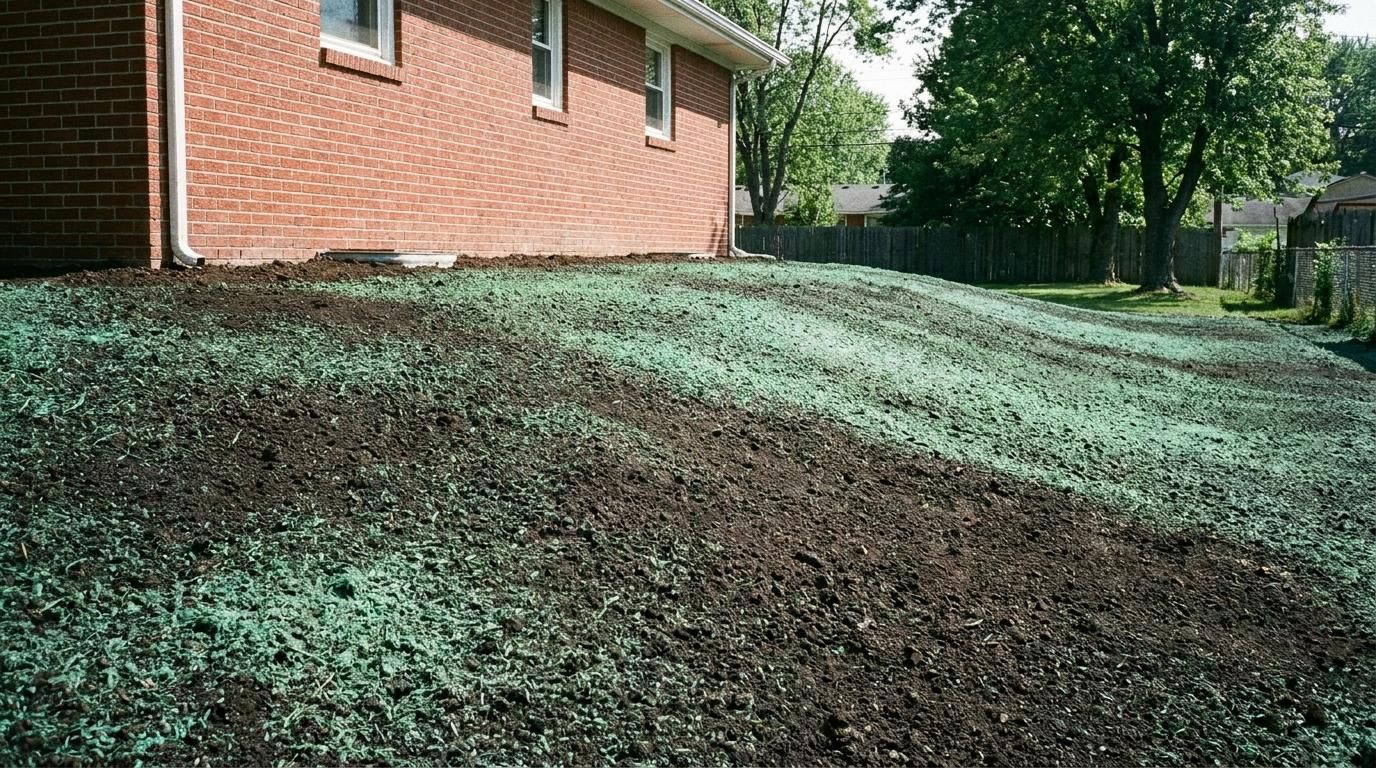
Professional regrading runs a five-step sequence, and the order matters. A laser level reads the existing slope to confirm where the high and low points actually are. The turf and topsoil come off and get set aside. A skid steer or Bobcat reshapes the subgrade to a 1-to-2% pitch away from the house. The topsoil goes back on at the corrected slope, raked smooth. Finally, the lawn comes back in by seed, sod, or hydroseed.

For a bad grade, the fix is usually grading and hydroseeding: reshaping the slope, and then re-seeding the bare soil so the lawn grows back over the corrected grade.

What Yard Regrading Costs in the Toledo Area

Three price ranges cover most Toledo-area regrade jobs in 2026.

  • $500 to $1,500: Spot fixes on a single low area under about 300 square feet, no heavy equipment needed.
  • $1,500 to $3,500: Standard backyard regrade with skid steer access, soil moved across 1,000 to 3,000 square feet, restoration seed or hydroseed included.
  • $3,500 to $10,000 and up: Full lot reshape with drainage tile, swales, or yard drains. Common on tight side yards between older homes in Holland and Sylvania.

Tree root systems, hidden utilities, and HOA topsoil specs all affect the bid. After regrading, most homeowners can decide whether to add mulch beds, decorative edging, or fresh shrubs through a full landscape restoration.

Frequently Asked Questions

How do I grade my yard for better drainage?

You grade your yard for better drainage by reshaping the soil so it falls at least six inches over the first 10 feet from the foundation, then continues at a 1-to-2% slope across the rest of the lawn. A small low spot can be corrected with topsoil and a rake. A full yard regrade requires a skid steer and a laser level to confirm the pitch.

What is the proper grade for yard drainage?

The proper grade for yard drainage is at least a 5% slope for the first 10 feet from the foundation, followed by a 1-to-2% slope across the rest of the yard. That translates to roughly six inches of drop in the first 10 feet, then about an inch of drop per 8 feet beyond that. Anything flatter and water sits; anything steeper and topsoil washes.

Can I grade my yard myself?

You can grade your yard yourself on small low spots under about 300 square feet, using a shovel, a wheelbarrow of topsoil, and a long board to check the pitch. Anything larger usually needs a skid steer, a laser level, and a plan for protecting tree roots and utility lines. DIY full-yard regrades that miss the slope by even half a percent often push the water problem to a different corner.

Diagnose the Slope Before You Call the Plumber

When you’re dealing with drainage issues due to grading, the fix usually starts with a level and a hose, not a sump pump. Most Northwest Ohio yards that hold water need their grades corrected: six inches of fall in the first 10 feet from the foundation, then a 1% to 2% slope across the rest of the lawn. Anything tighter than that is worth confirming with a site visit.

Have your yard’s grading professionally assessed by Stuckey’s Curb & Landscape. Request a grading assessment online or call (419) 574-6136 today. We'll walk the yard with a level and tell you whether it needs a spot fix or a full regrade.

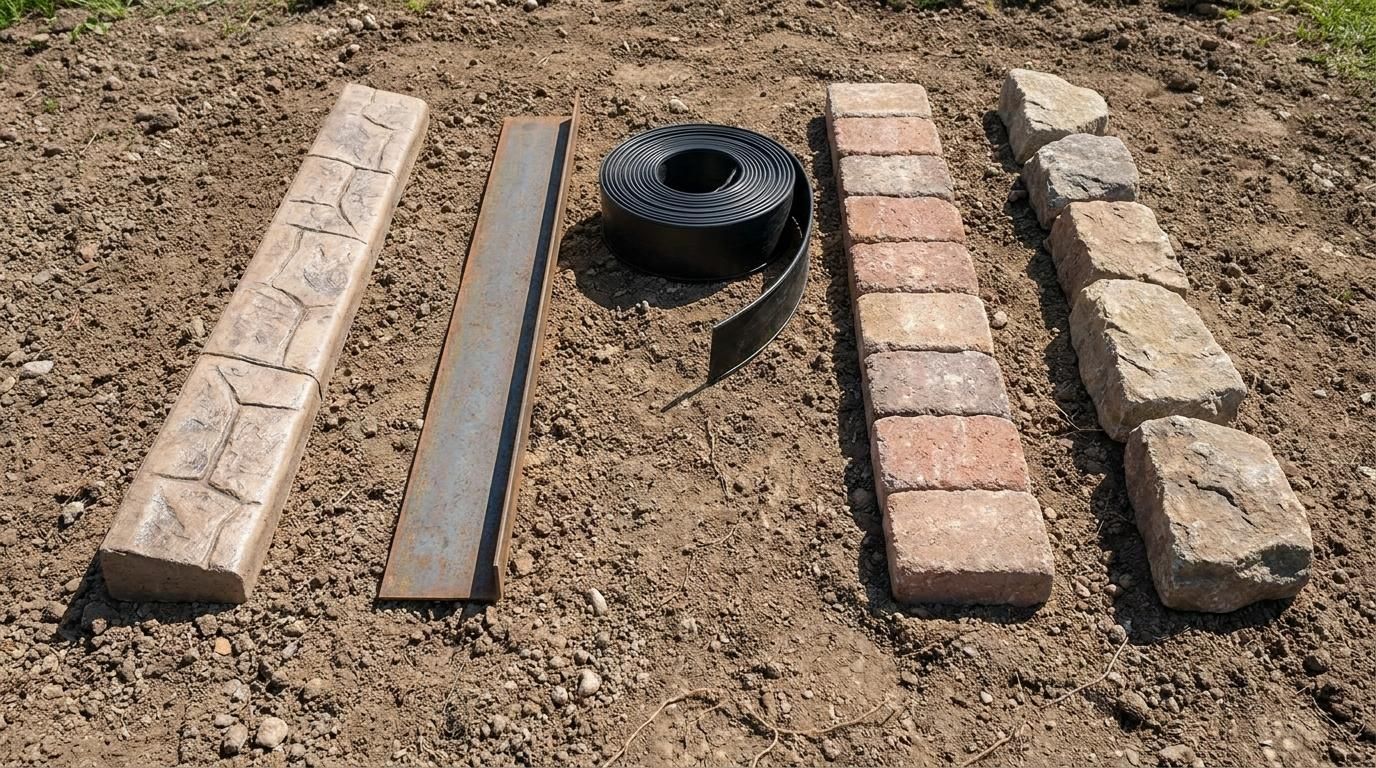
The five landscape edging types most Toledo homeowners weigh
By Nate Stuckey June 29, 2026
Compare the 5 most popular landscape edging types for Ohio homes. Discover which materials handle clay soil and freeze-thaw cycles best before you buy.
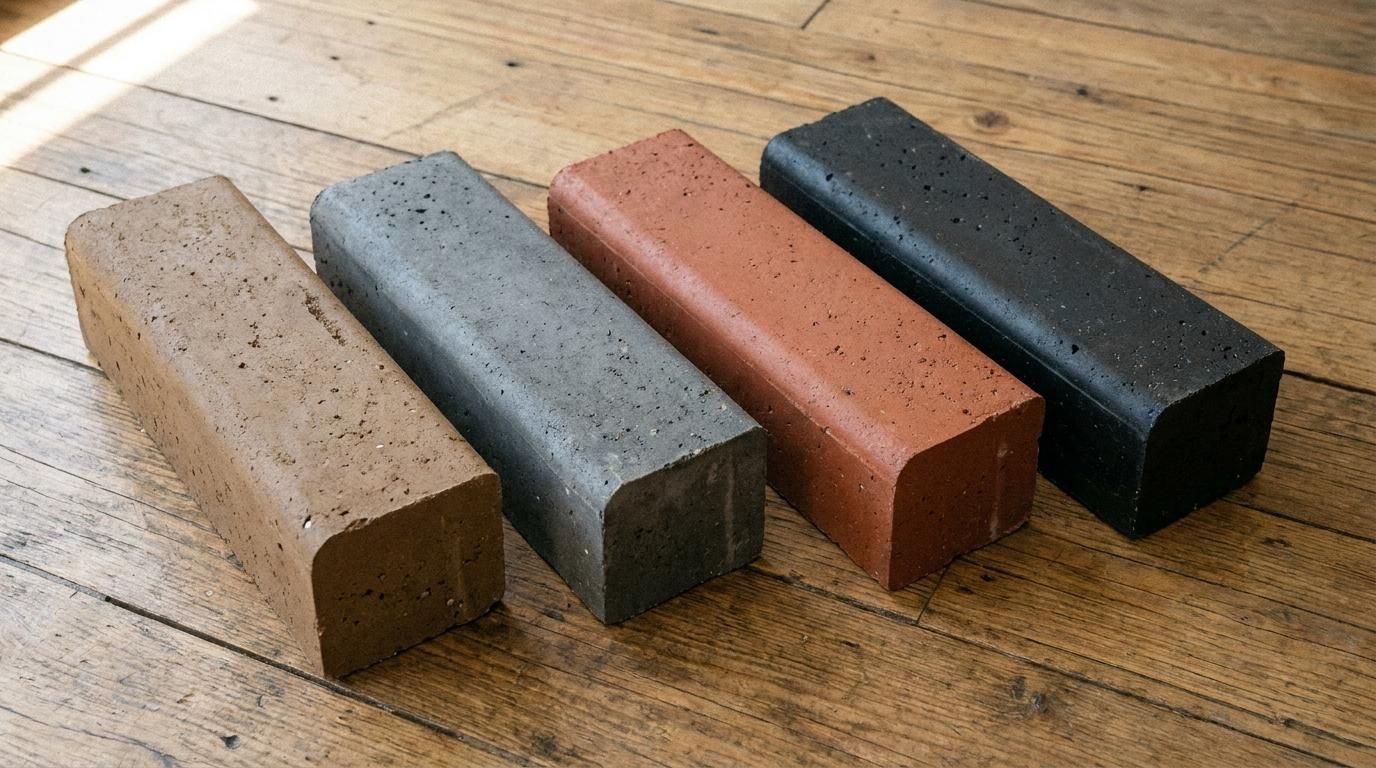
The four color families and where each one fits
By Nate Stuckey June 25, 2026
Choosing the right landscape border color can be tricky. Explore our guide to the 4 main concrete curbing color families and what looks best in NW Ohio.
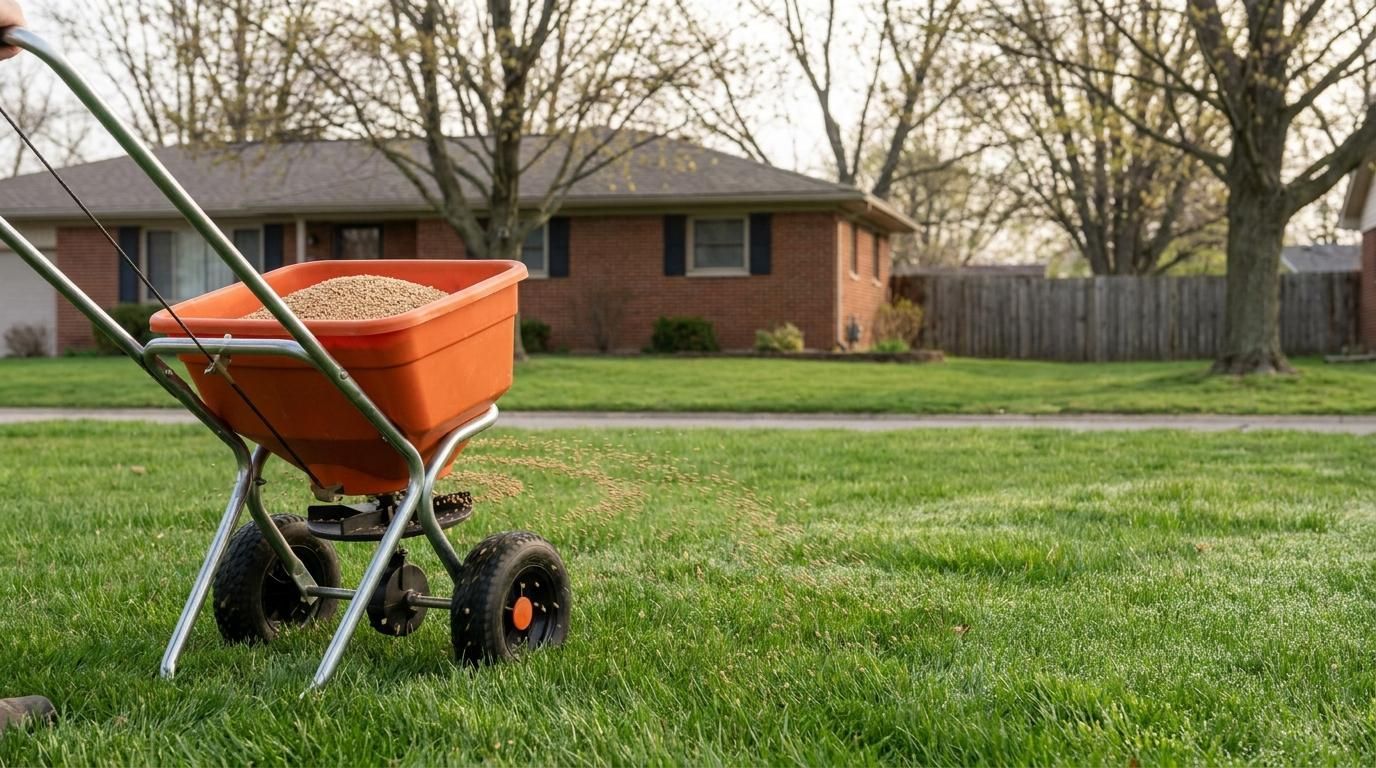
The five-step fertilizer calendar for Northwest Ohio lawns
By Nate Stuckey June 21, 2026
When should you fertilize your lawn in Ohio? Skip the generic bag schedules and get the perfect 5-step feeding calendar for Northwest Ohio turf.
Why early fall is the best time to aerate in Ohio
By Nate Stuckey June 18, 2026
The best time to aerate a lawn in Ohio is mid-August to late September. Here's why fall beats spring for NW Ohio yards and when to skip aeration entirely.
Aeration and overseeding cost by Toledo lawn size
By Nate Stuckey June 10, 2026
Aeration and overseeding costs $250 to $500 for most Toledo lawns in 2026. Here's how lawn size, soil compaction, and seed quality affect the price.
How often cool-season lawns actually need dethatching
By Nate Stuckey June 6, 2026
Most Northwest Ohio lawns only need dethatching every two to three years. Here's how to tell when yours actually needs it and when to skip a season.
What the per-square-foot number actually covers
By Nate Stuckey June 3, 2026
Landscaping cost per square foot in NW Ohio runs $4 to $12 installed. See 2026 pricing for mulch beds, rock, grading, and full landscape projects.

Kentucky bluegrass close up
By Nate Stuckey May 29, 2026
Discover the best grass seed for Ohio lawns. Weigh Kentucky bluegrass, tall fescue, perennial ryegrass, and the right blends for sun, shade, and high traffic.
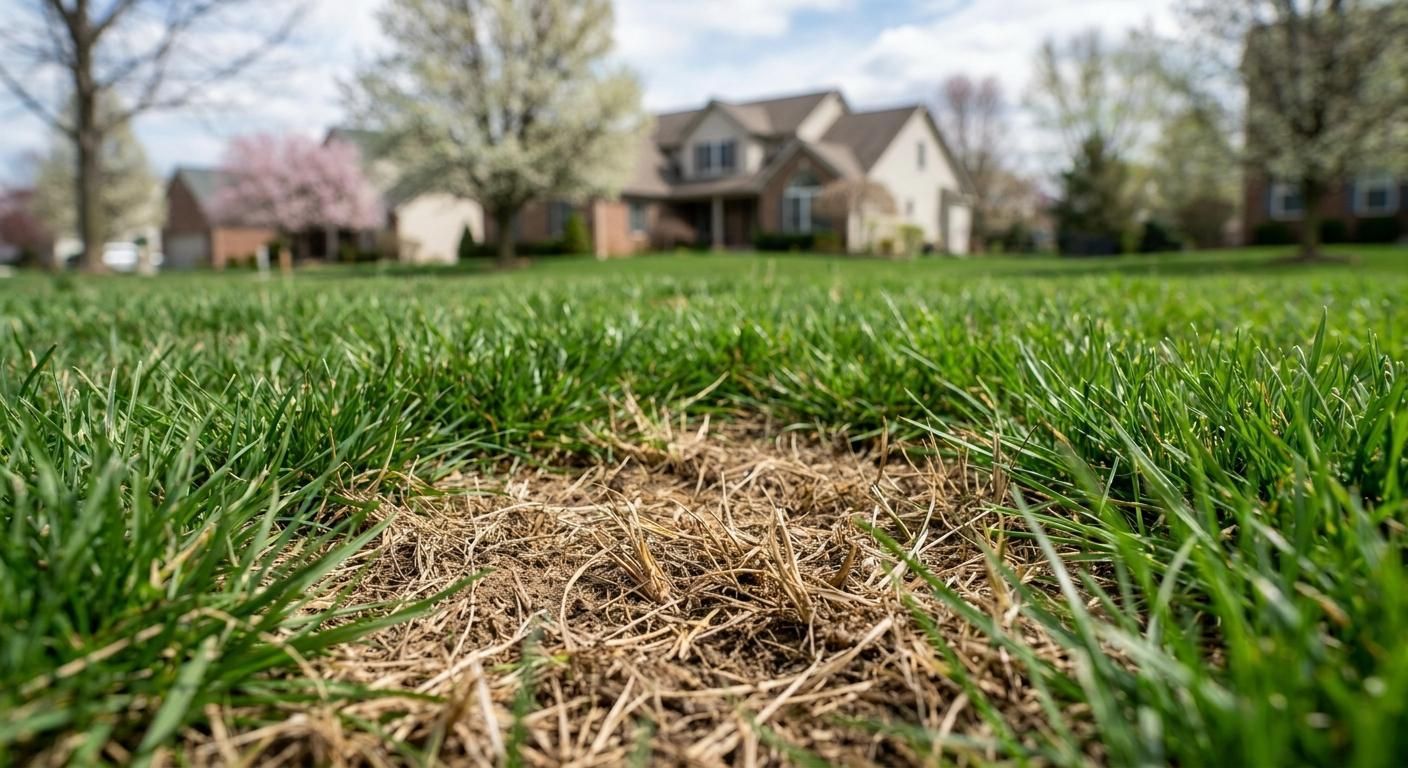
Common causes of bare spots in Ohio lawns
By Nate Stuckey May 25, 2026
Learn how to fix bare spots on your lawn step by step. Stuckey’s discusses the causes, soil prep, seeding, watering, and when to call a pro in northwest Ohio.
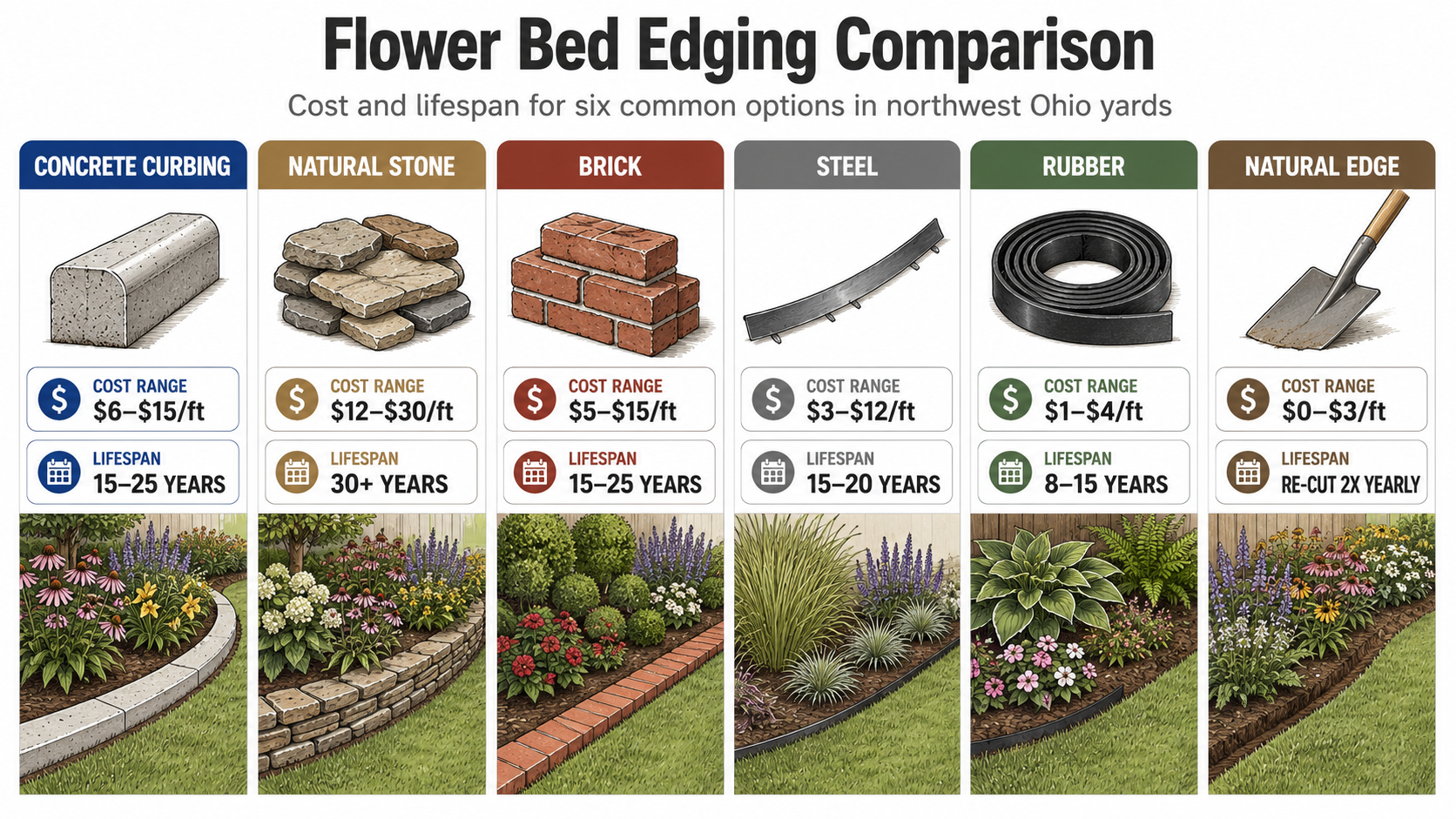
Decorative concrete curbing flower bed edging
By Nate Stuckey May 21, 2026
Explore 6 flower bed edging ideas compared by cost, lifespan, and maintenance. Consider concrete curbing, stone, brick, steel, rubber, & natural edges in Ohio.
Show More