
Concrete Curbing Colors: How to Choose the Perfect Shade for Your Toledo Landscape

Nate Stuckey • June 25, 2026

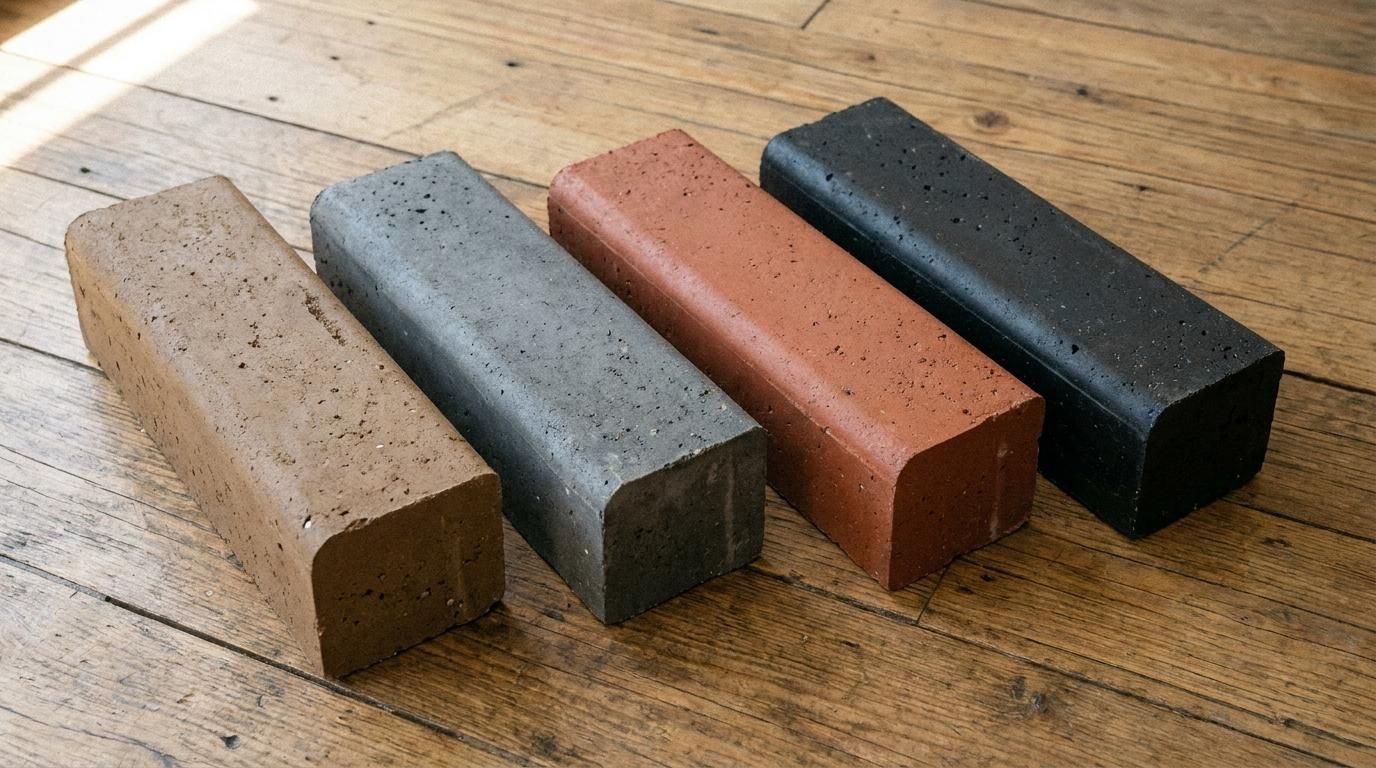
Concrete curbing colors can be grouped into four major families for most Toledo landscapes: earth-tone browns and tans, neutral grays, warm reds and terracottas, and integral blacks. Stuckey's Curb & Landscape installs decorative concrete curbing around Holland and Maumee in more than 24 shades. In our experience, the color choice drives more long-term happiness with the curb than the texture or layout does.

After countless installs, we've noticed that the color a homeowner first asks for and the color that actually suits the house are often different. The cleanest match comes from pulling the curb toward one element that is already on the exterior like a brick undertone, a roof shingle, or a shutter color. Let’s take a look at the four color families, how to match curbing to your home, and where custom blends are worth it.

The Four Color Families and Where Each One Fits

Knowing which family the home belongs in narrows the catalog from 24 options to a handful before sample chips come out.

Earth Tones (Browns, Tans, Beiges)

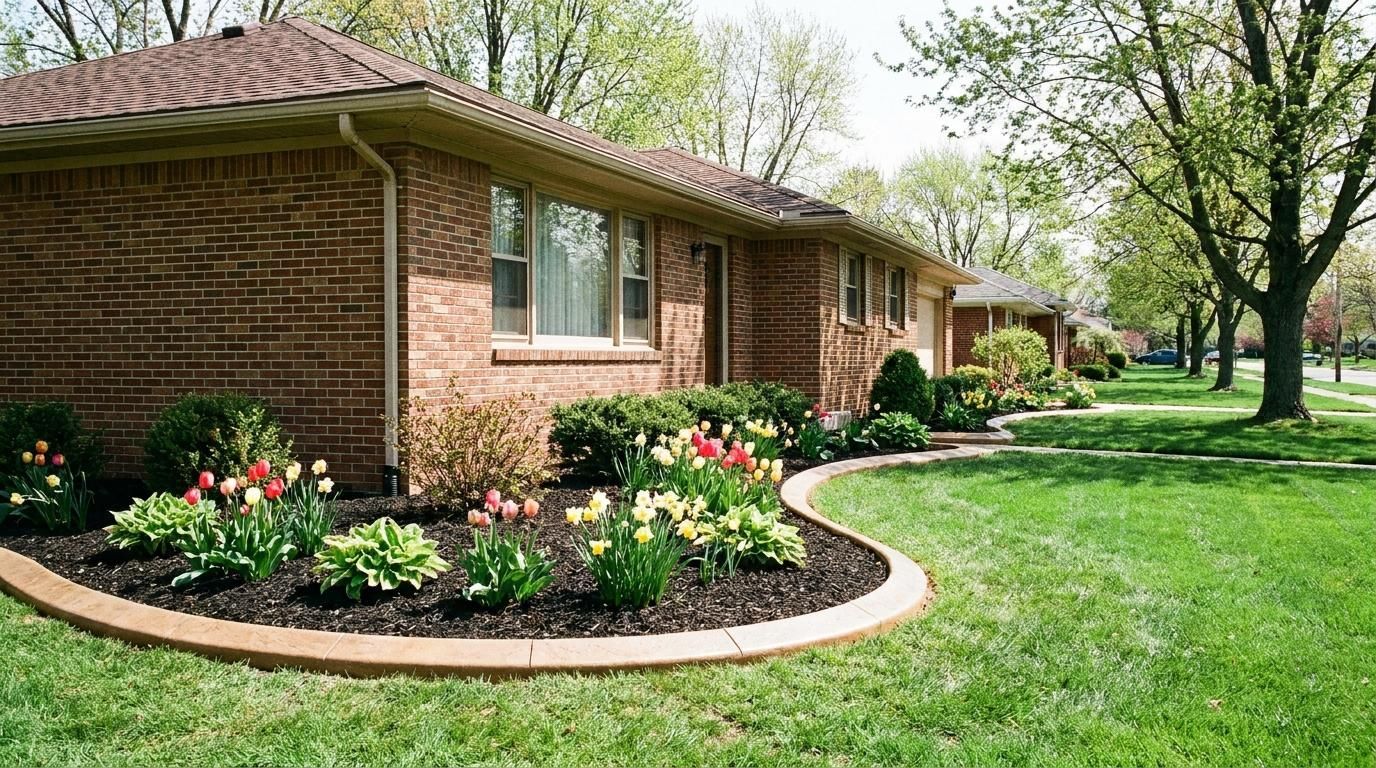
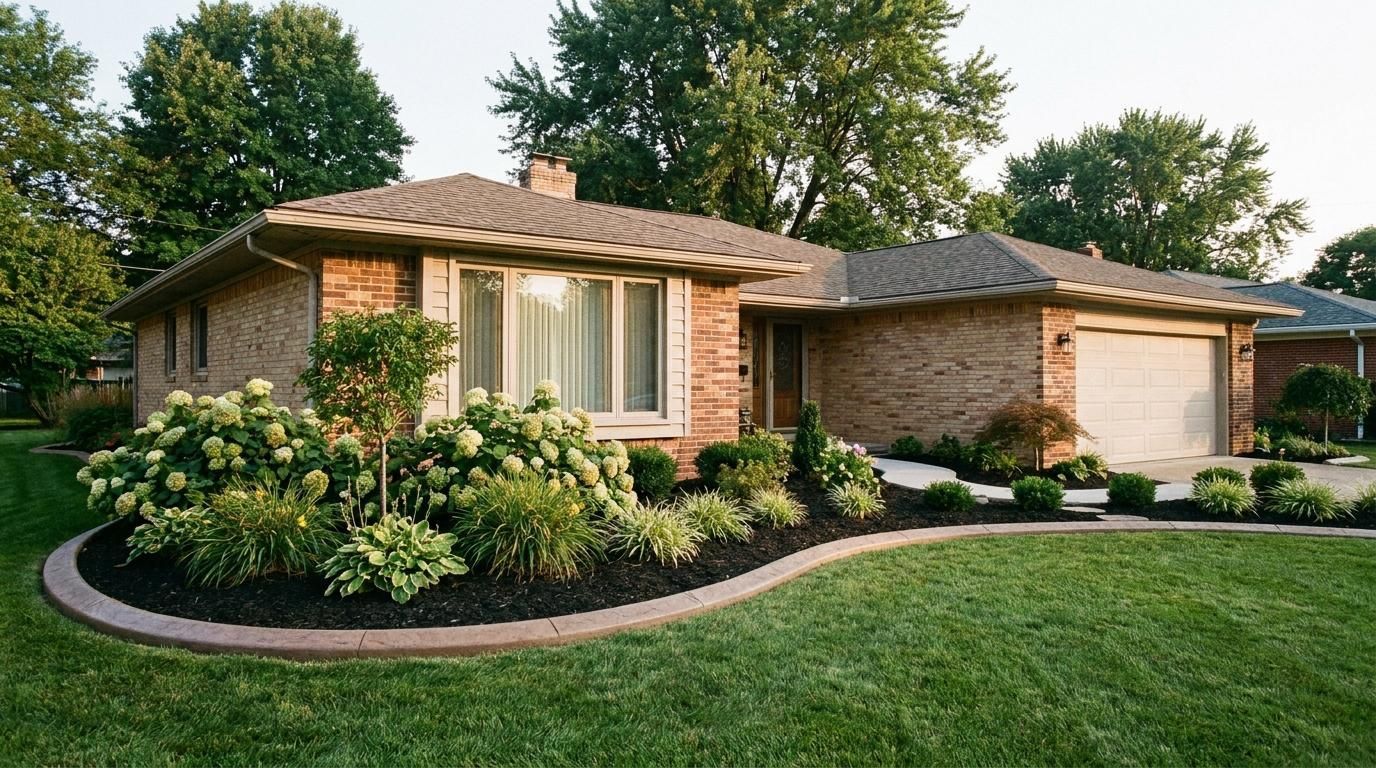
Earth tones flatter brick ranches and tan-sided homes with mulched beds, the dominant exterior in older Holland and Maumee neighborhoods. They hide minor surface dust and never clash with seasonal flower color.

Neutral Grays (Charcoal to Pewter)

Grays fit modern siding, white trim, and cottage-style homes with cooler shutter palettes. They pair well with limestone or river-rock landscaping rather than mulch.

Warm Reds and Terracottas

Reds and terracottas read best against red-brick homes and Spanish-tile roofs. A red curb is a statement, not a backdrop.

Integral Blacks

Integral blacks frame dark mulch and contemporary all-white exteriors. They show every speck of pollen but make plant color pop more than any other family.

How to Match Curbing Color to Your Home Exterior

Here’s the rule that keeps concrete curbing styles looking great after 20 years: pull from two existing exterior elements, never just one. Match the brick undertone for the base color and pull a secondary accent from the roof shingle or front-door paint. Avoid matching to mulch, which gets refreshed every spring and changes color depending on what the supplier sells that year.

Sample chips need to be checked outdoors against the actual house at the time of day you use the front yard most, because indoor and showroom light flattens the contrast badly. Stuckey’s Curb & Landscape can help you pair your chosen color family with the exact texture and edge profile that flatters your home best.

How Ohio Sun and Freeze-Thaw Affect Long-Term Color

Integral pigments mixed into the concrete itself outlast topical stains by a factor of three to five on Northwest Ohio installs, because the color goes all the way through the slab instead of sitting on the surface.

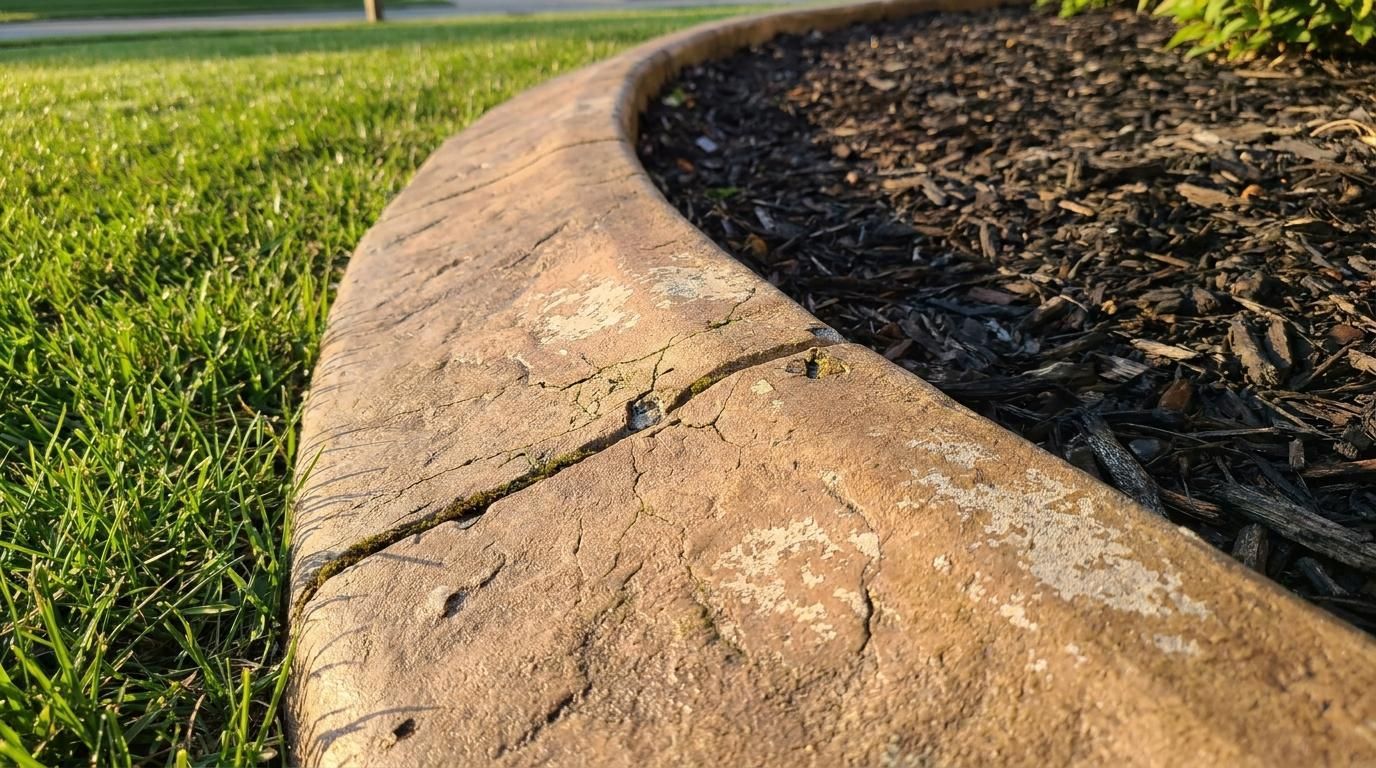
While the lifespan of decorative concrete curbing depends on solid installation, how each pigment type wears across Ohio freeze-thaw cycles varies by shade. Iron-oxide reds and earth tones hold their depth the best, whereas grays drift slightly lighter over a decade as surface laitance wears. Blacks stay close to their original tone but can pick up calcium efflorescence in the first wet winter, which a single rinse usually removes.

Custom and Stamped Color Combinations

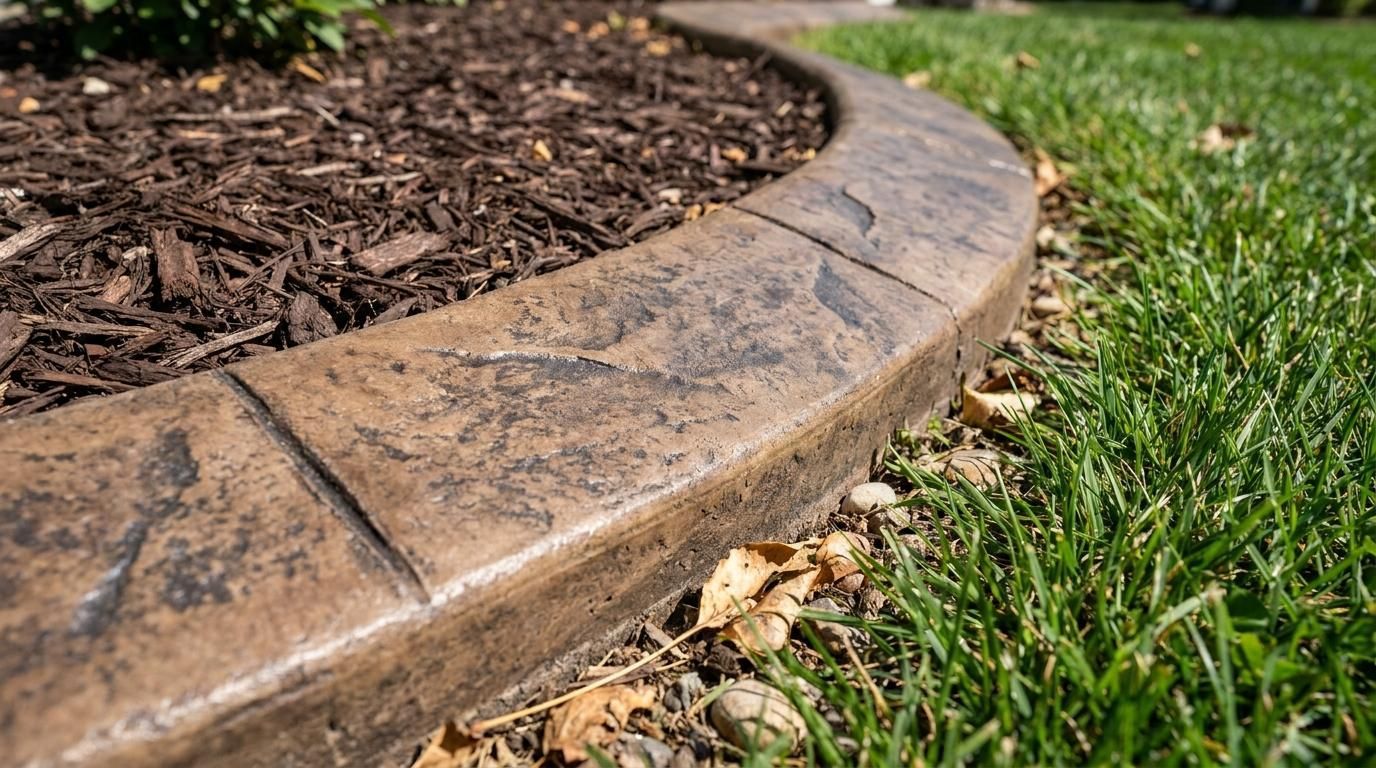
Two-tone stamped curbing pushes a single color family into stone-like territory without committing to a separate material. A charcoal base with a pewter antiquing wash reads as natural fieldstone from ten feet away. A warm tan base with a bronze wash reads as weathered sandstone. Custom blends, listed alongside the 24 catalog colors, are the right call only when the home's exterior is unusual enough that no stock shade matches. Most homeowners who think they want a custom blend settle on a stock color with a stamping pattern that achieves the same look for less.

Frequently Asked Questions

What colors does concrete curbing come in?

Concrete curbing comes in four color families: earth-tone browns and tans, neutral grays, warm reds and terracottas, and integral blacks. The Stuckey's Curb & Landscape catalog lists more than 24 confirmed shades across those families plus custom blends mixed on request. Color is added to the concrete as an integral pigment, which keeps the shade in the slab rather than on top of it.

What is the most popular concrete curbing color?

The most popular concrete curbing color in Northwest Ohio is a medium earth-tone brown, because most older Toledo, Holland, and Maumee neighborhoods are dominated by brick and tan-siding homes that a warm neutral flatters. Charcoal gray runs a close second on newer construction with modern white-and-black palettes. Reds and blacks each account for a smaller share of installs but tend to be the most photographed.

How long does colored concrete curbing last?

Colored concrete curbing lasts 20 to 30 years when installed with integral pigments and properly cured. The color holds longest on earth tones and reds, drifts slightly lighter on grays after a decade, and stays close to original on integral blacks. Topical stains and surface dyes don't last anywhere near as long; the catalog colors are mixed into the slab during the install, not applied afterward.

Pick the Color Family First, Then Narrow the Shade

Choosing a color becomes faster when the color family is decided on before the sample chips come out. Pull from two existing exterior elements, hold the chip against the house outdoors, and choose the family that withstands Ohio sun and freeze-thaw best for the look you want. The catalog is wide enough that the right answer almost always lives inside the family you started with.

To explore color options with someone who's installed curbing on homes like yours, request a free curbing color consultation at (419) 574-6136.

The five landscape edging types most Toledo homeowners weigh
By Nate Stuckey June 29, 2026
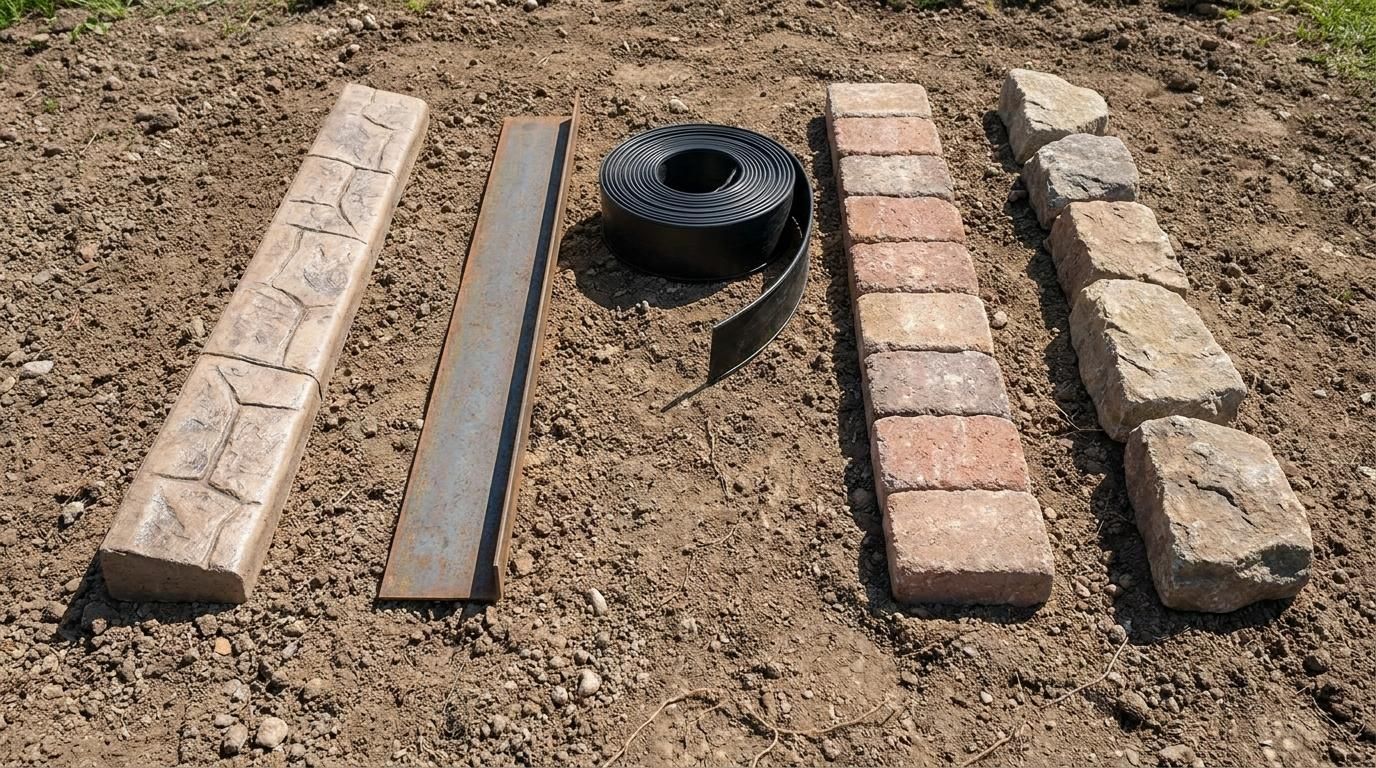
Compare the 5 most popular landscape edging types for Ohio homes. Discover which materials handle clay soil and freeze-thaw cycles best before you buy.
The five-step fertilizer calendar for Northwest Ohio lawns
By Nate Stuckey June 21, 2026
When should you fertilize your lawn in Ohio? Skip the generic bag schedules and get the perfect 5-step feeding calendar for Northwest Ohio turf.
Why early fall is the best time to aerate in Ohio
By Nate Stuckey June 18, 2026
The best time to aerate a lawn in Ohio is mid-August to late September. Here's why fall beats spring for NW Ohio yards and when to skip aeration entirely.
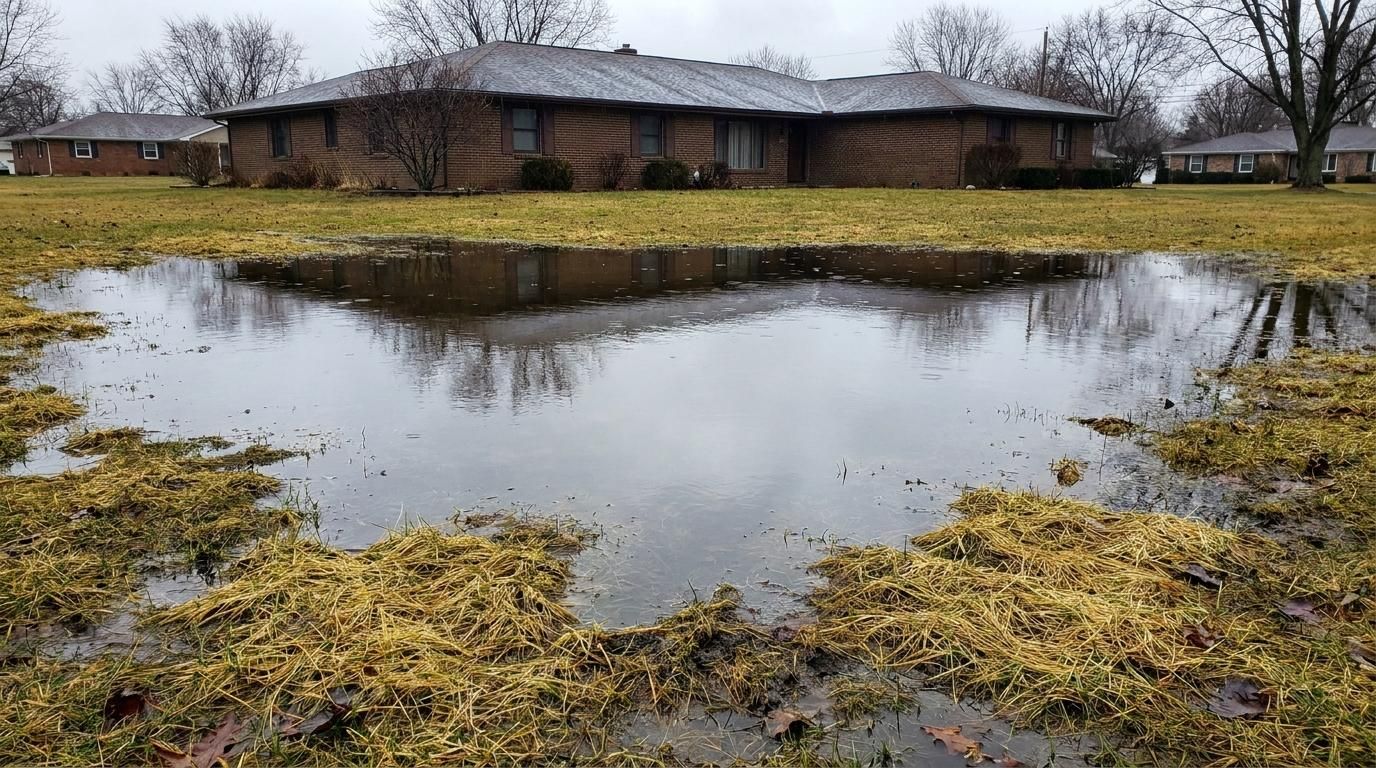
Why Northwest Ohio yards experience more drainage problems
By Nate Stuckey June 15, 2026
Tired of a soggy lawn? Learn how to spot yard grading problems, how to fix your drainage, and how much professional yard regrading costs in the Toledo, OH area.
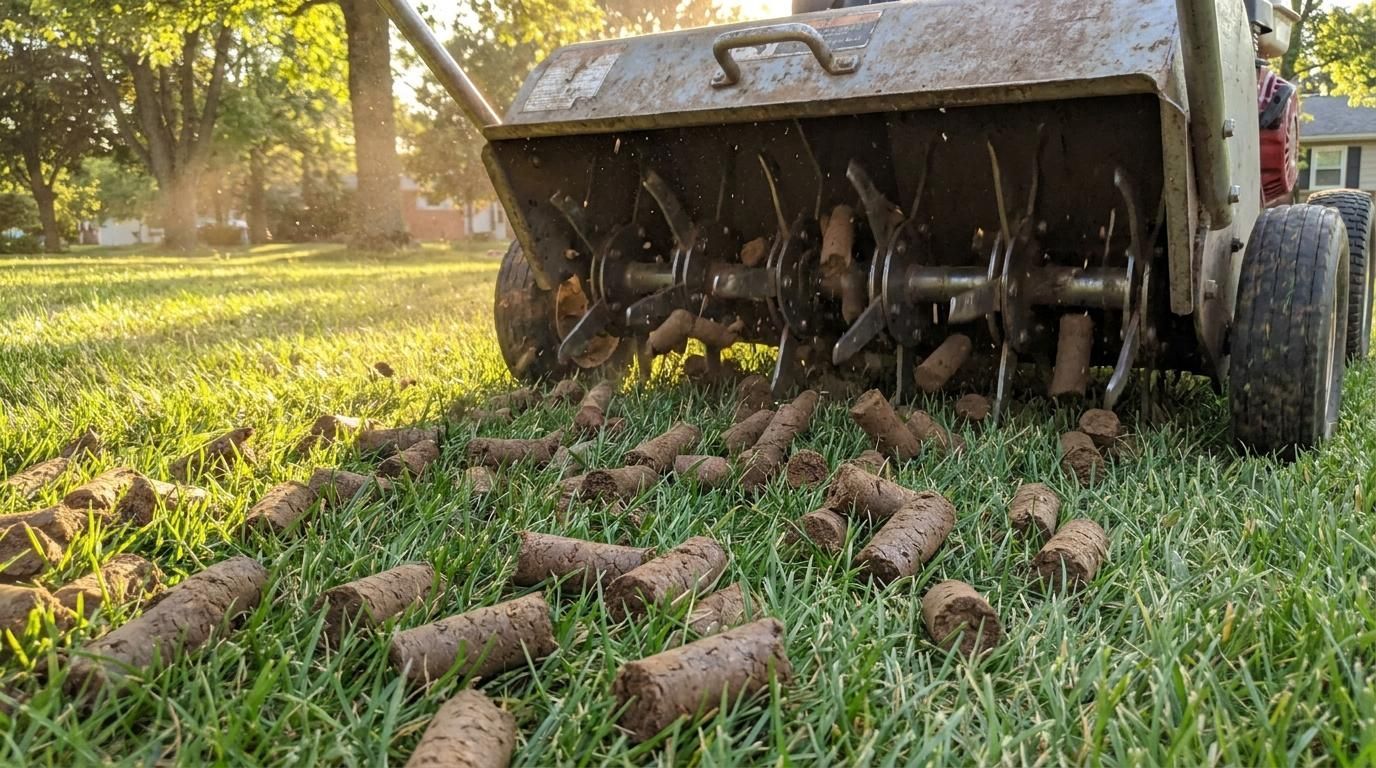
Aeration and overseeding cost by Toledo lawn size
By Nate Stuckey June 10, 2026
Aeration and overseeding costs $250 to $500 for most Toledo lawns in 2026. Here's how lawn size, soil compaction, and seed quality affect the price.
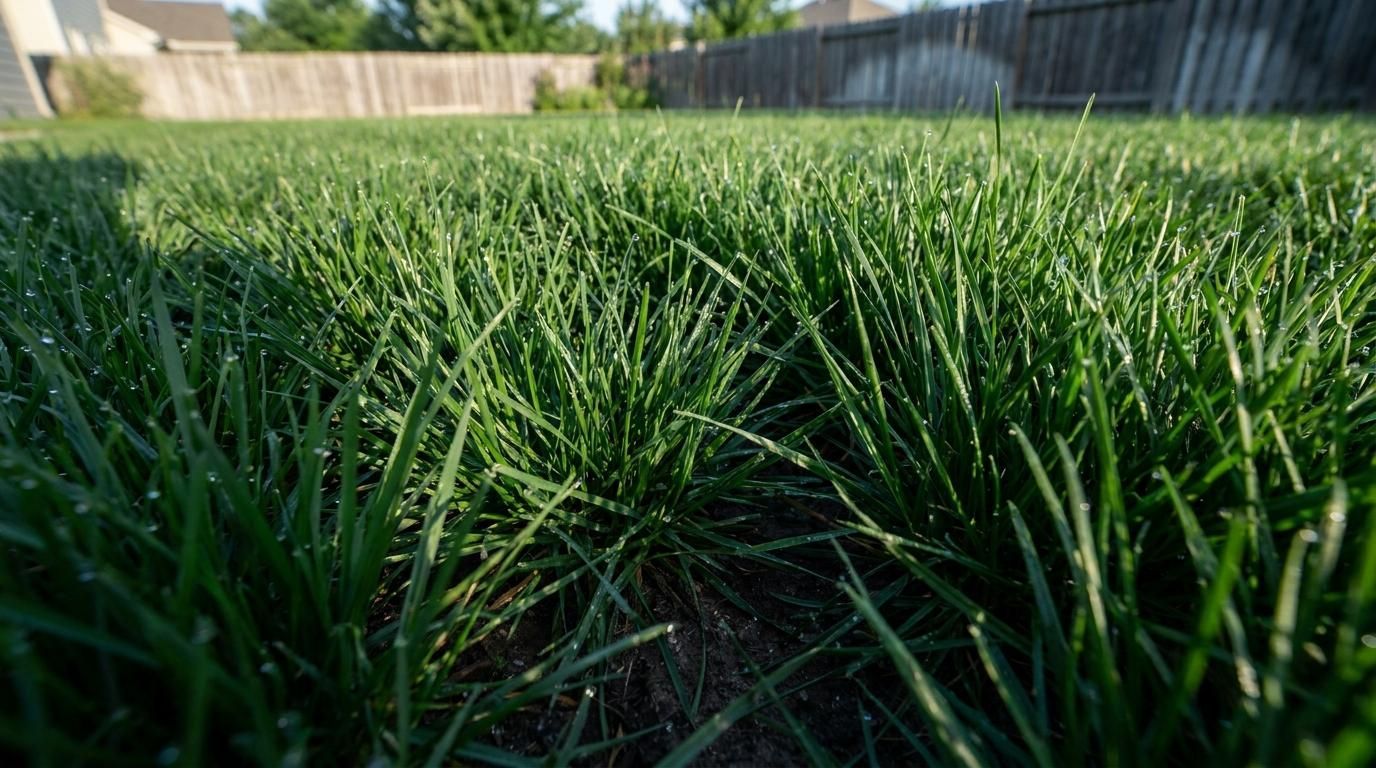
How often cool-season lawns actually need dethatching
By Nate Stuckey June 6, 2026
Most Northwest Ohio lawns only need dethatching every two to three years. Here's how to tell when yours actually needs it and when to skip a season.
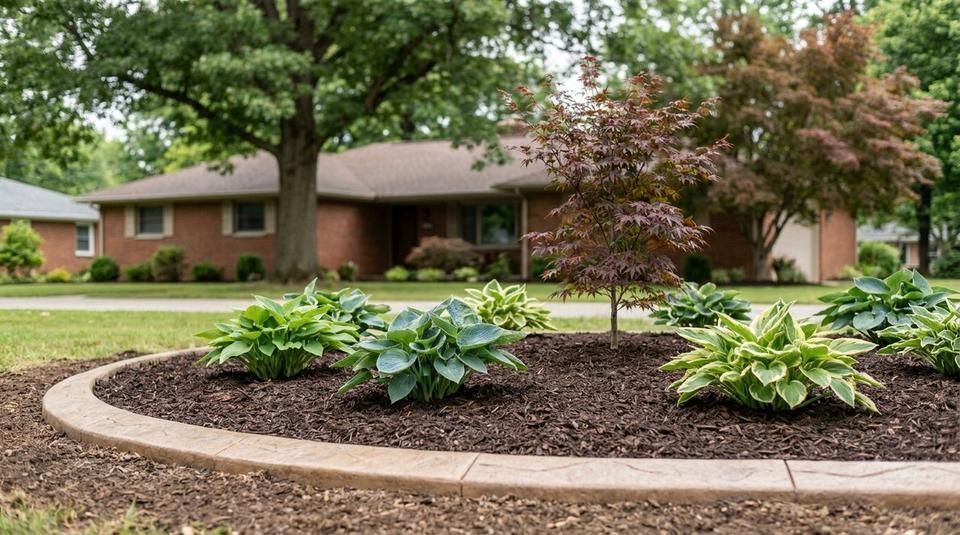
What the per-square-foot number actually covers
By Nate Stuckey June 3, 2026
Landscaping cost per square foot in NW Ohio runs $4 to $12 installed. See 2026 pricing for mulch beds, rock, grading, and full landscape projects.
Kentucky bluegrass close up
By Nate Stuckey May 29, 2026
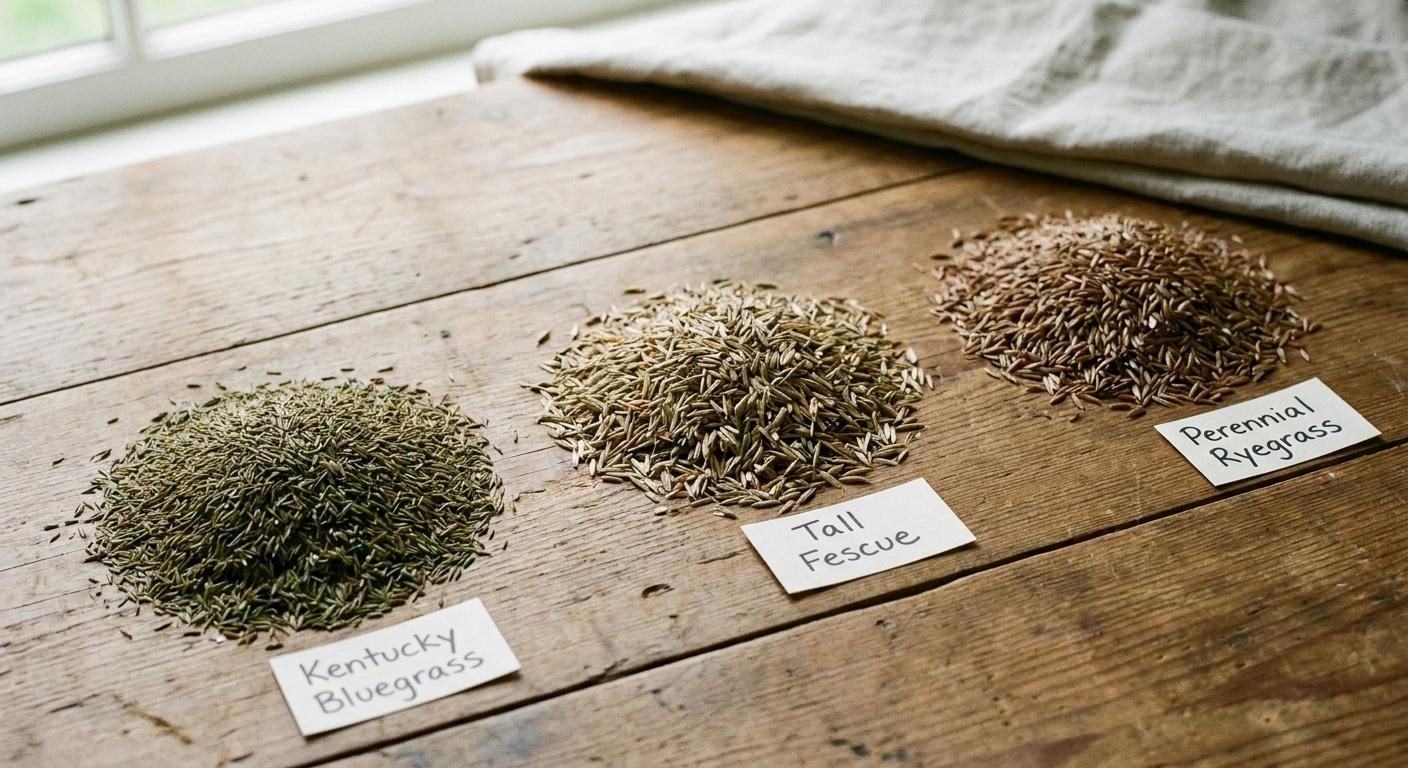
Discover the best grass seed for Ohio lawns. Weigh Kentucky bluegrass, tall fescue, perennial ryegrass, and the right blends for sun, shade, and high traffic.
Common causes of bare spots in Ohio lawns
By Nate Stuckey May 25, 2026
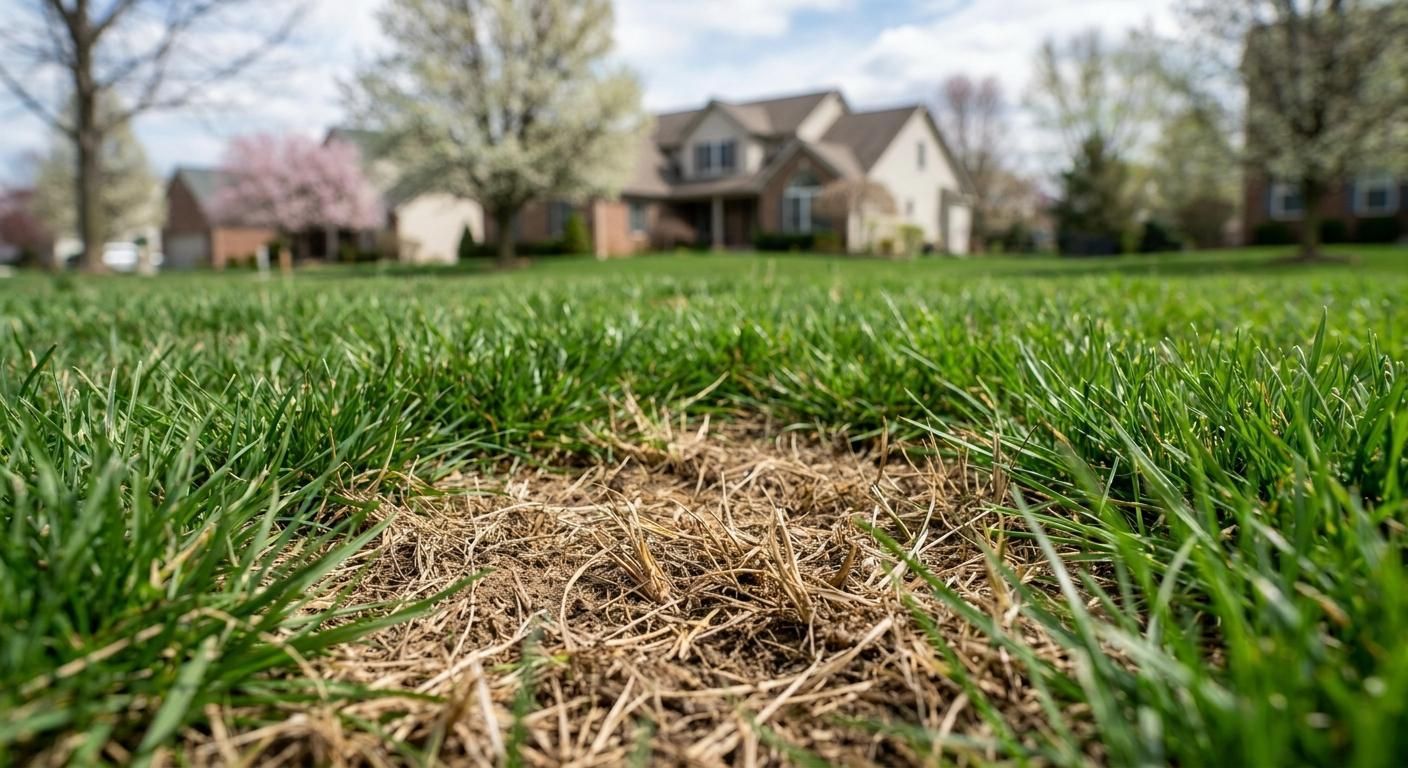
Learn how to fix bare spots on your lawn step by step. Stuckey’s discusses the causes, soil prep, seeding, watering, and when to call a pro in northwest Ohio.
Decorative concrete curbing flower bed edging
By Nate Stuckey May 21, 2026
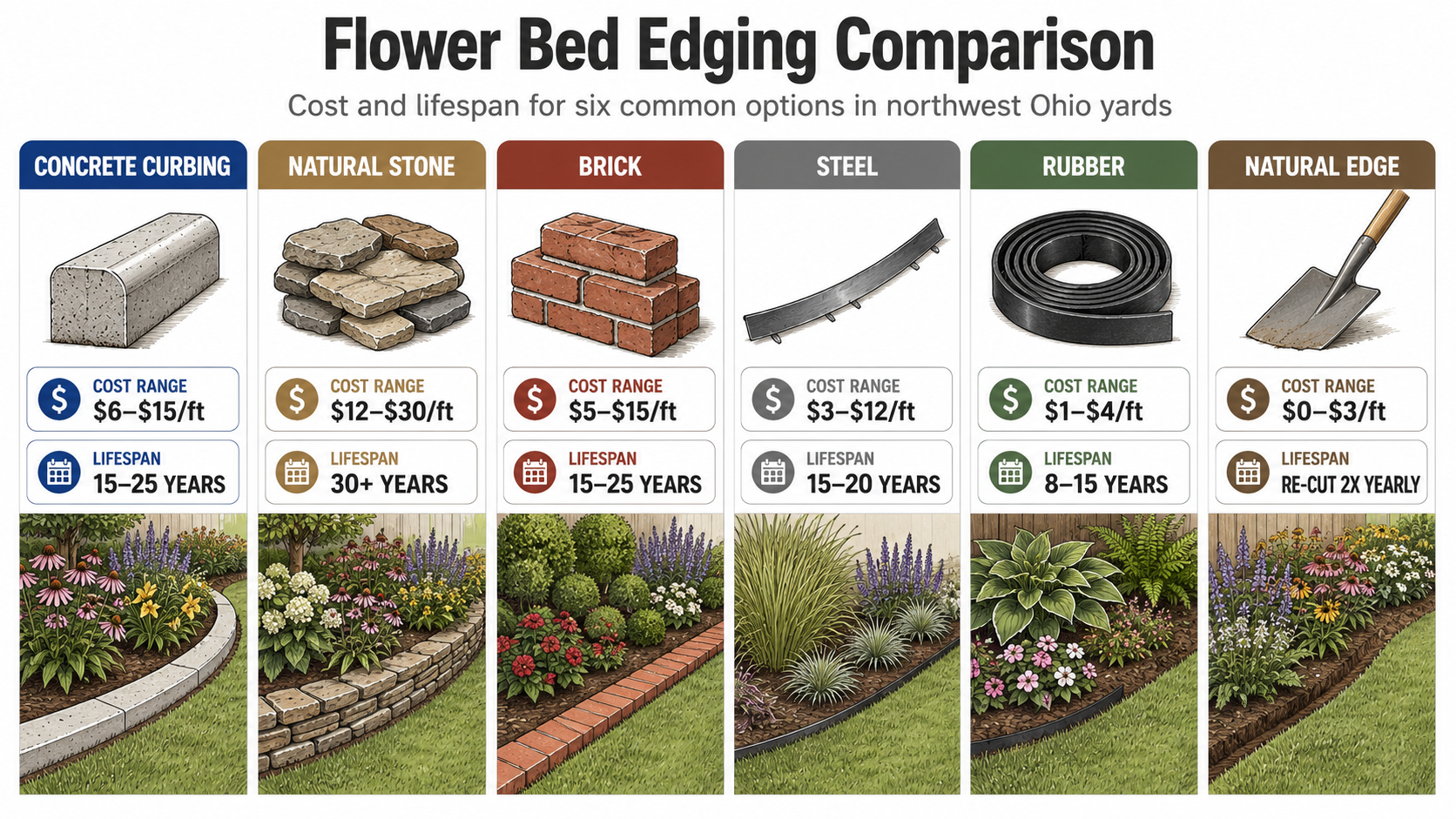
Explore 6 flower bed edging ideas compared by cost, lifespan, and maintenance. Consider concrete curbing, stone, brick, steel, rubber, & natural edges in Ohio.
Show More