
When to Aerate Your Lawn in Ohio: Best Timing for Northwest Ohio Yards
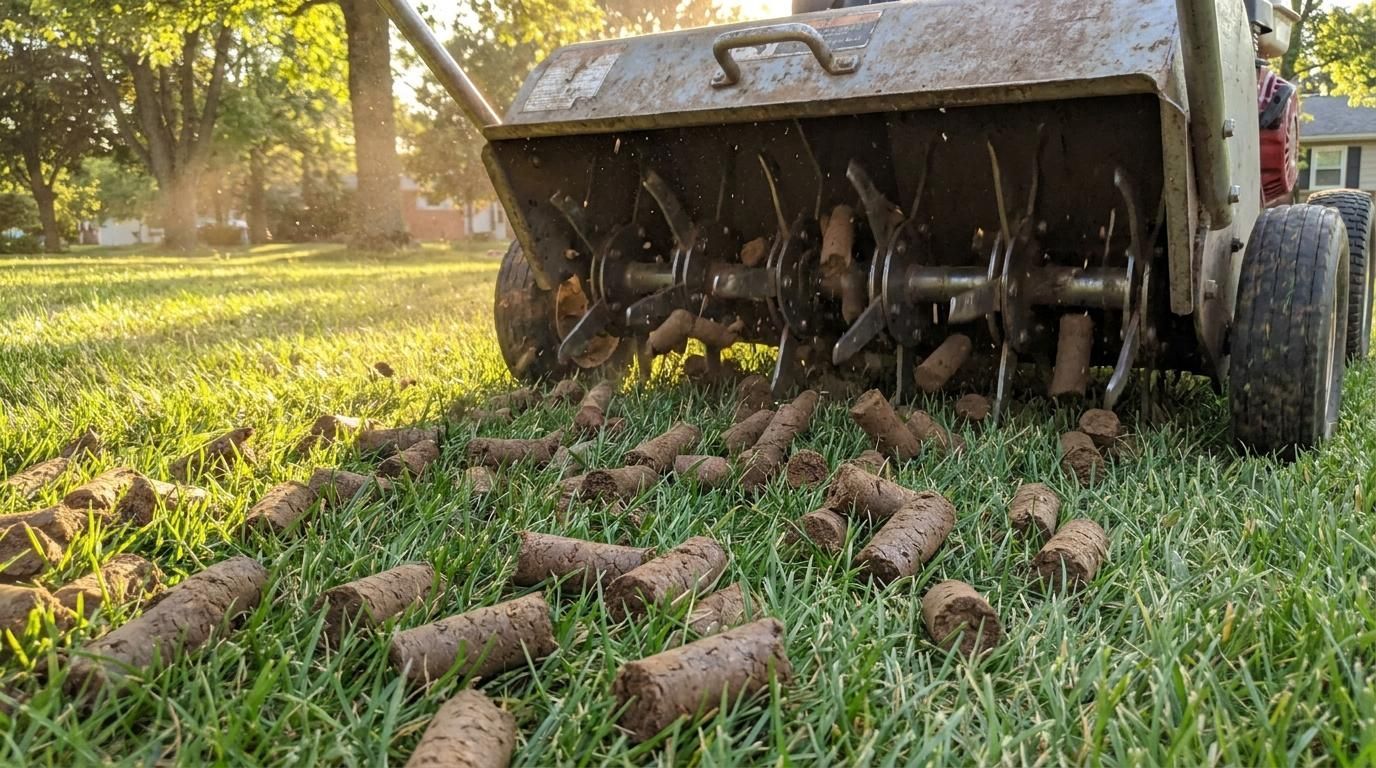
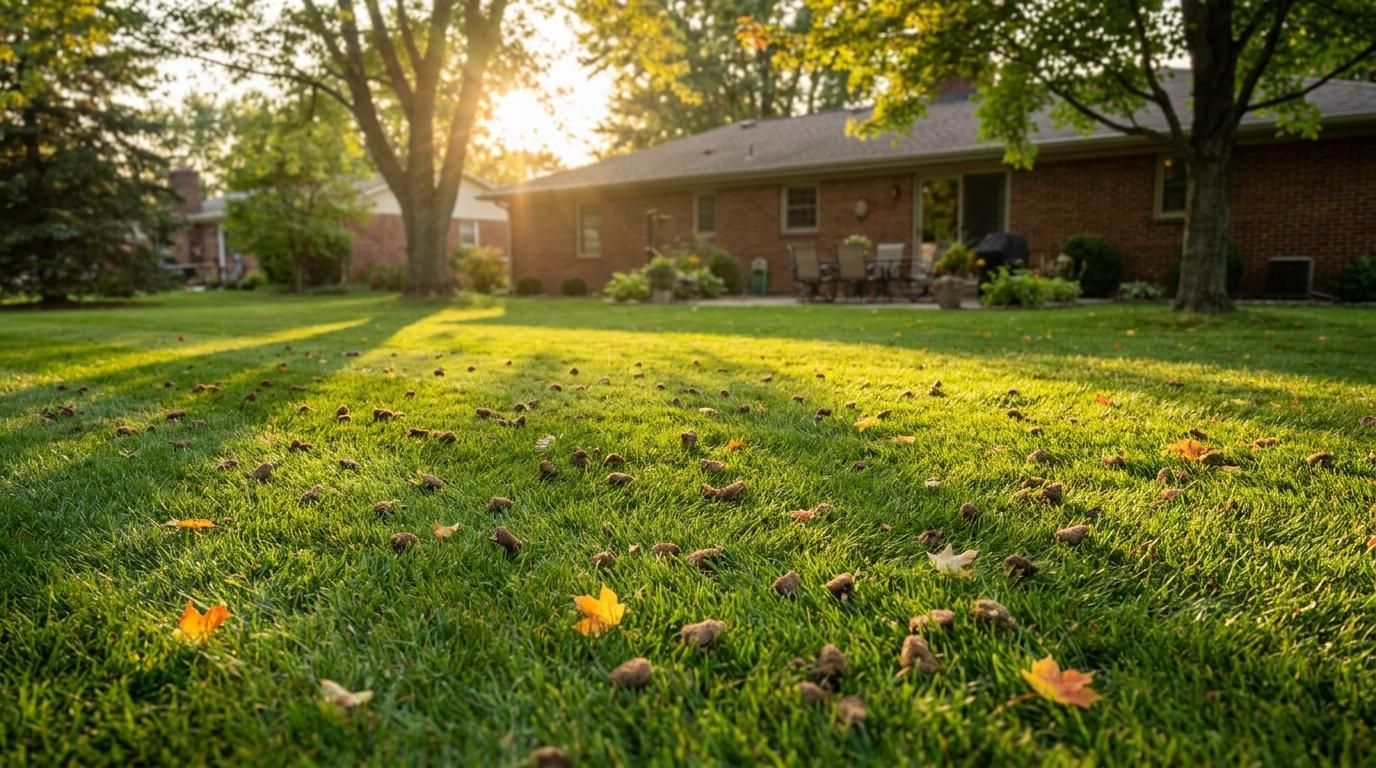
The best time to aerate a lawn in Ohio is mid-August through late September, when cool-season grass is bouncing back from summer heat and growing new roots before winter. Late April to mid-May is a workable second choice. Stuckey's Curb & Landscape schedules aeration around Holland and Maumee as part of its landscape design and maintenance work. We book most jobs in early fall because clay soil and cool-season grass both recover faster after a warm late summer than after a cold, wet spring.
Timing is where most aeration goes wrong. Open up clay soil in late spring on a lawn already heading into summer growth, and it dries out and burns faster than it can heal. This post describes why early fall is the best time to aerate Ohio yards, when spring actually works, when to skip aeration entirely, and how Lake Erie extends the local calendar.
Why Early Fall Is the Best Time to Aerate in Ohio
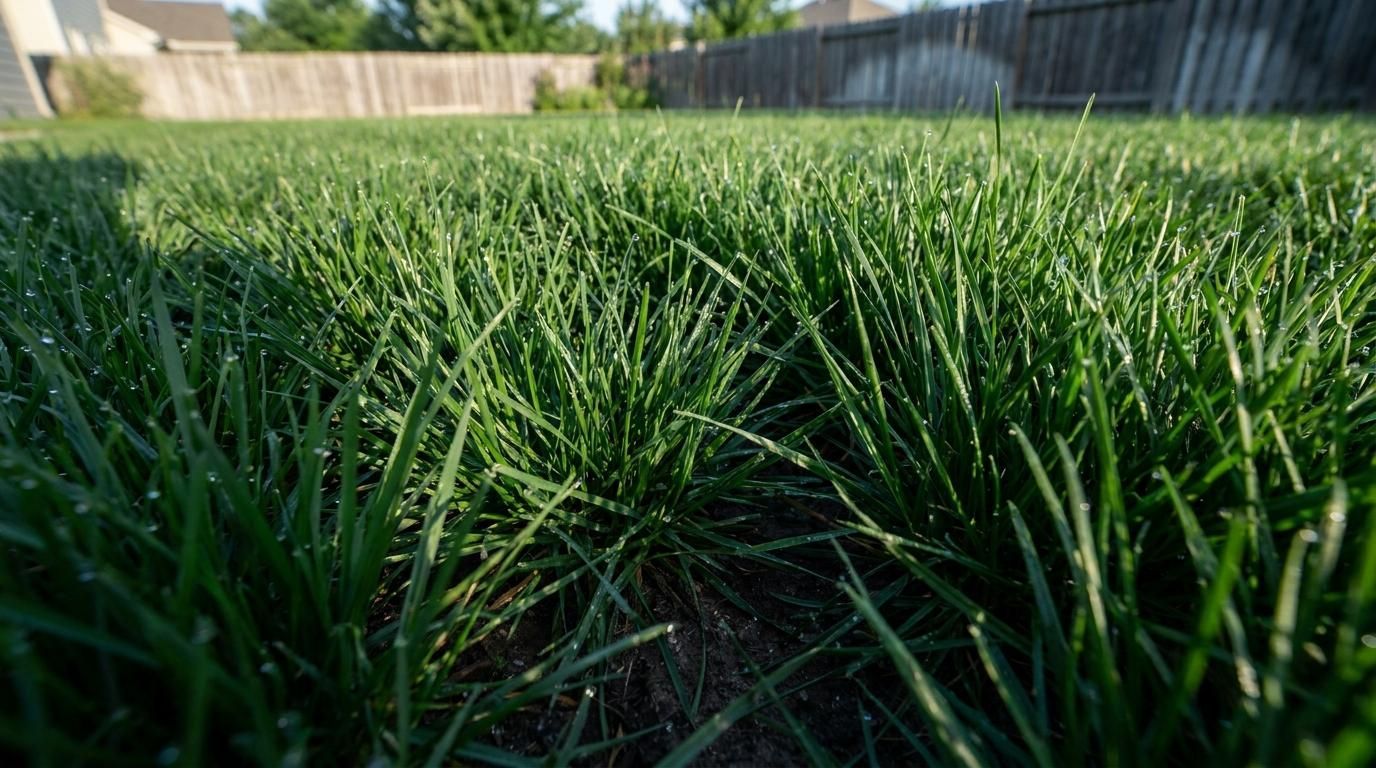
Three conditions line up in early fall that you can't get in any other season. Soil temperatures sit between 55 and 70 degrees, which is the sweet spot for cool-season grass root growth. Annual weeds have finished their cycle, so disturbing the soil isn't an invitation for crabgrass to take over. And the lawn has six to eight weeks of growing weather left before the first hard freeze, which gives the turf time to fill the open plug holes with new tillers. The window in Toledo and the surrounding Northwest Ohio suburbs runs roughly August 15 to September 30, with the early end of that range producing the best recovery.
When Spring Aeration Actually Works
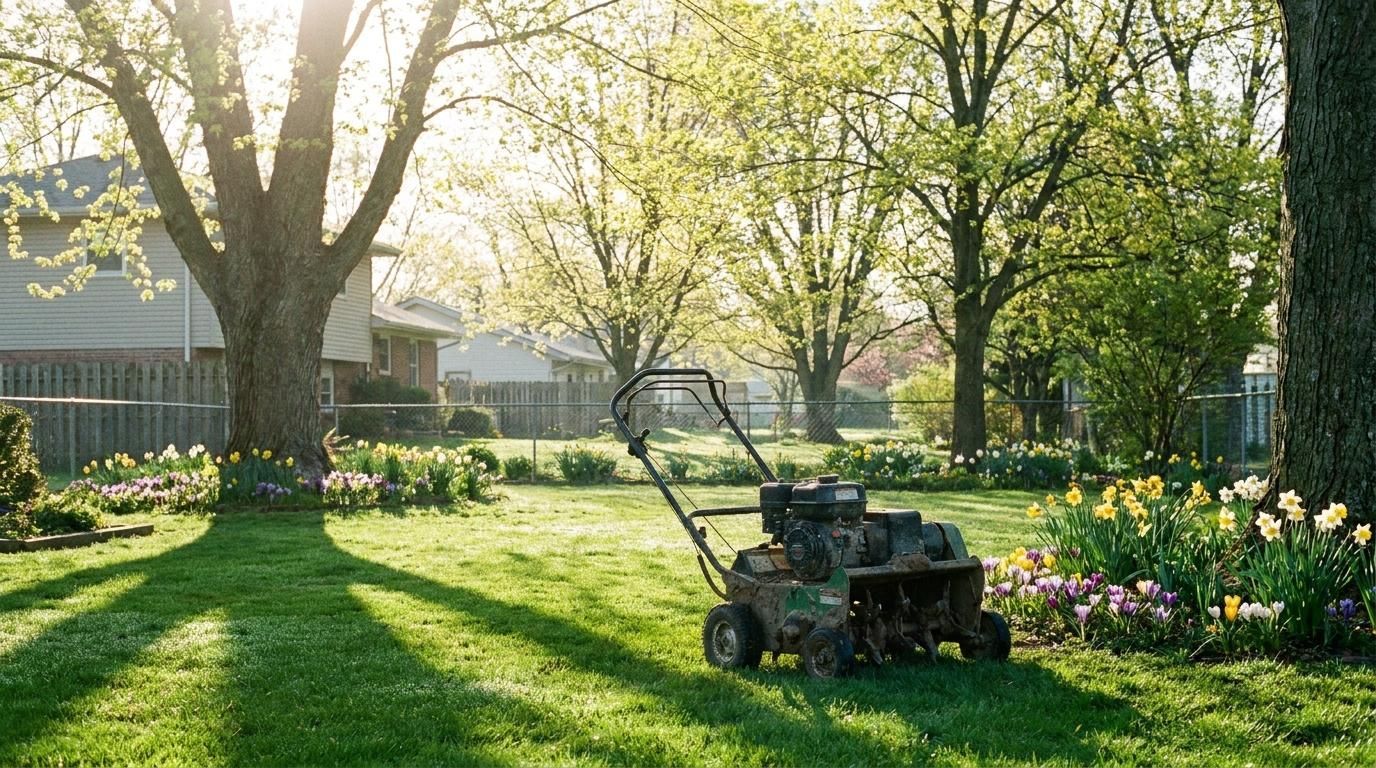
Spring aeration isn't off the table; it's the second pick. Wait for soil temperatures to hit 55 degrees, usually mid-April in Holland and Maumee, and finish before the end of May. Skip it if the ground is still soggy from snowmelt or if a pre-emergent crabgrass treatment has already gone down, because aeration breaks the chemical barrier and lets weed seeds through.
Spring is the right call on established lawns over three years old that show clear compaction and weren’t aerated last year. Our spring lawn care schedule for Ohio yards details where aeration fits in the April and May to-do list.
When Not to Aerate Your Lawn
Five conditions make aeration a bad call regardless of the date.
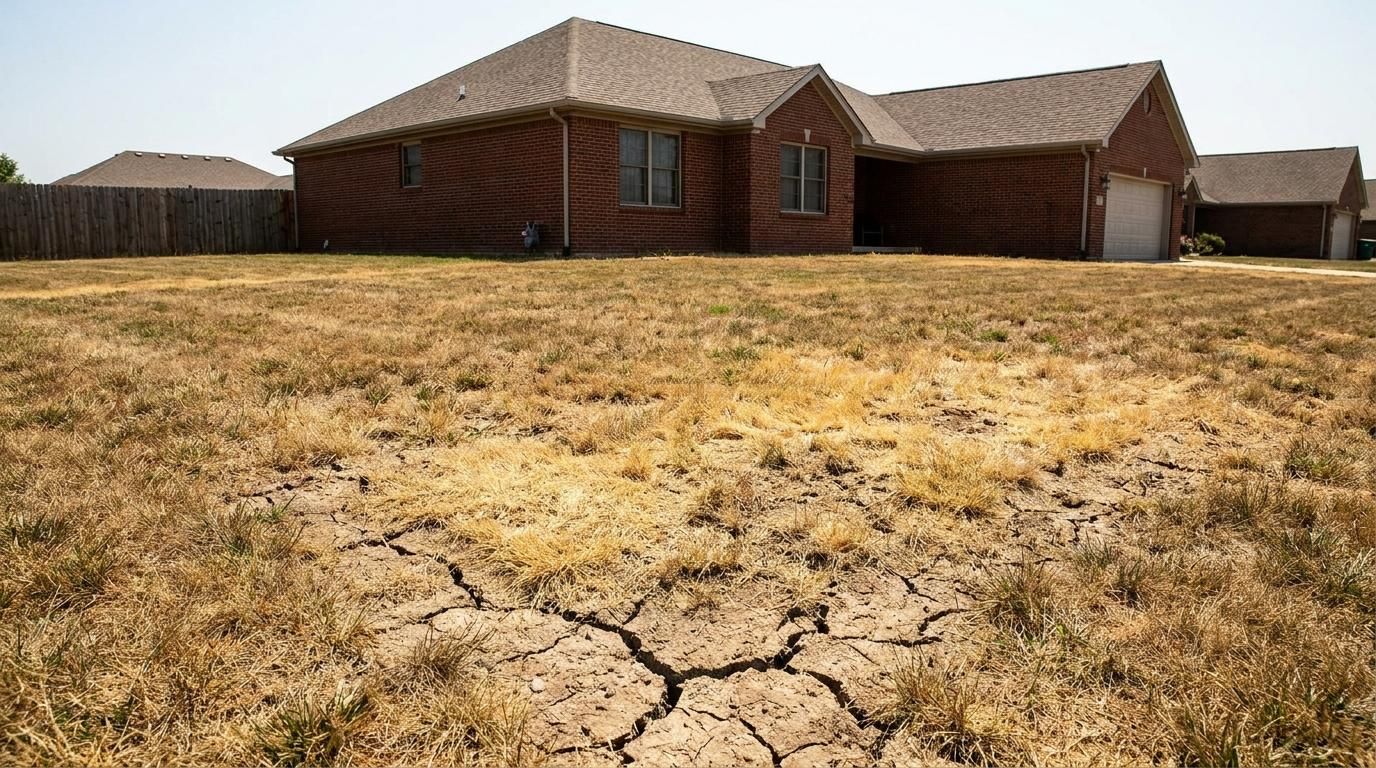
- Summer heat between mid-June and mid-August, which dries out the plug walls and burns the surrounding turf
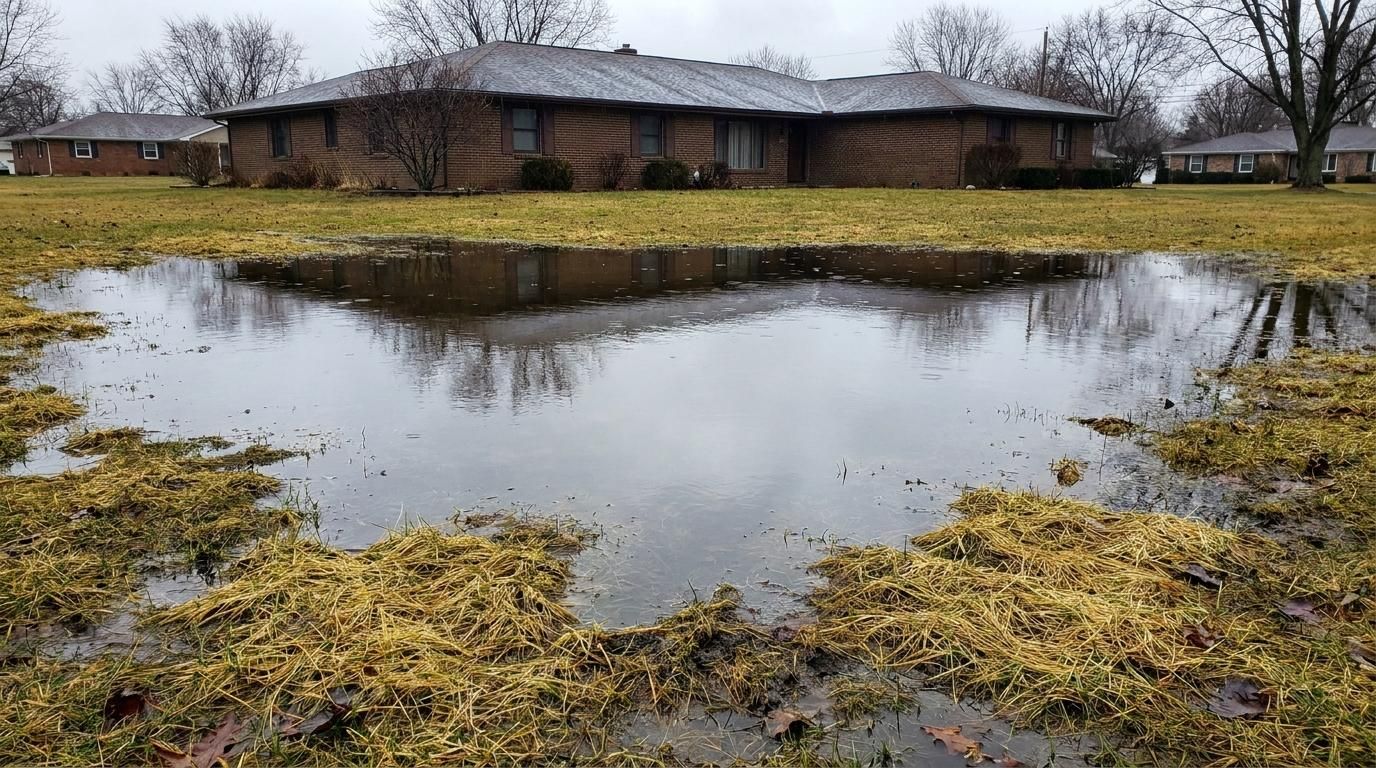
- Frozen or saturated soil, which won't pull a clean plug and tears the rooted layer
- First- and second-year lawns that haven't built crown density to survive the puncture
- Within two to four weeks of a pre-emergent herbicide application, because aeration breaks the barrier and lets weeds through
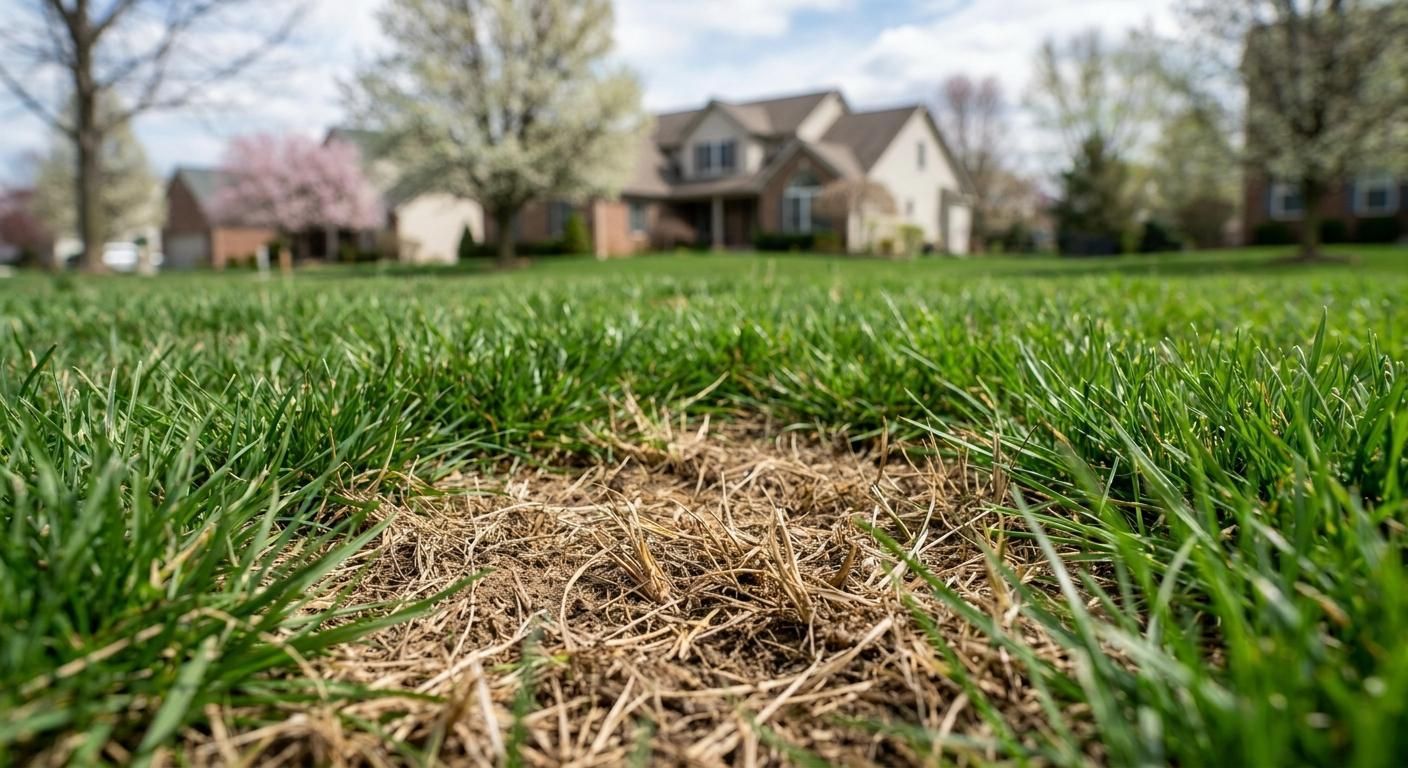
- Drought-stressed turf that's already browning, which can't recover from the additional stress
If the lawn checks any of these boxes, push the aeration to the next clean window rather than forcing the calendar.
How Northwest Ohio's Climate Changes the Window
Lake Erie pushes the local calendar in two ways. Spring soils stay cold a week or two longer than inland Ohio because the lake holds winter air. Late September and early October stay warm enough to keep cool-season root growth active well after most national lawn-care calendars say the season is over. That double shift makes the late-summer-to-mid-fall window unusually long in Toledo and unusually short in the spring.
Considering the cost of aeration and overseeding can help you decide whether to add overseeding to the same fall pass.
Frequently Asked Questions
Is spring or fall better for aeration in Ohio?
Fall is better for aeration in Ohio, with the mid-August-to-late-September window producing the strongest cool-season turf recovery. Spring aeration works as a backup between mid-April and the end of May, but only on established lawns with no pre-emergent already applied. Fall passes also pair with overseeding more effectively, because cooler nights and shorter days favor germination over weed pressure.
When should I aerate my lawn in Ohio?
You should aerate your Ohio lawn between August 15 and September 30 for the strongest results, when soil temperatures sit in the 55-to-70-degree range and the grass has six to eight weeks left to recover before frost. April 15 through May 15 is the secondary window for established yards that missed the fall pass.
Can you aerate too early in spring?
Aerating too early in spring damages turf because frozen or saturated clay soil can't release clean plugs, and the surrounding rooted layer tears instead. Wait until soil temperatures hit 55 degrees and the ground will hold a footprint without squelching, usually mid-April in Northwest Ohio. Early-March aeration on cold, wet soil sets the lawn back instead of helping it.
Match the Aeration Window to Your Lawn's Recovery
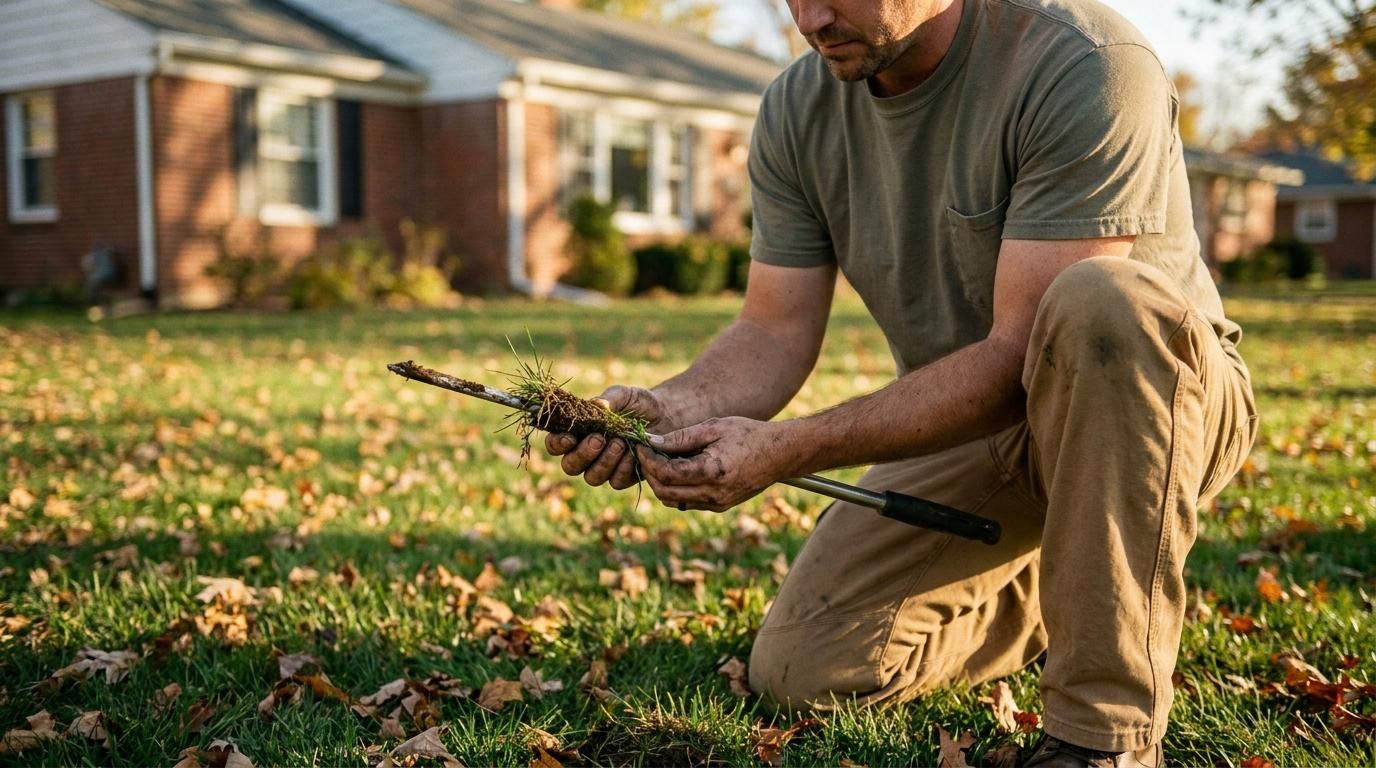
When you’re trying to decide on the best time to aerate your lawn, consider soil temperature, your turf’s age, and what's gone down recently. Most Northwest Ohio lawns need one core aeration pass a year. The mid-August to late-September window beats the spring backup almost every time. Skip the pass on first-year turf, summer-stressed grass, or anything sitting on a fresh pre-emergent.
To get the window right for your specific yard and soil, request a free aeration estimate at (419) 574-6136. We’ll check your soil temperature and turf condition before scheduling the work.