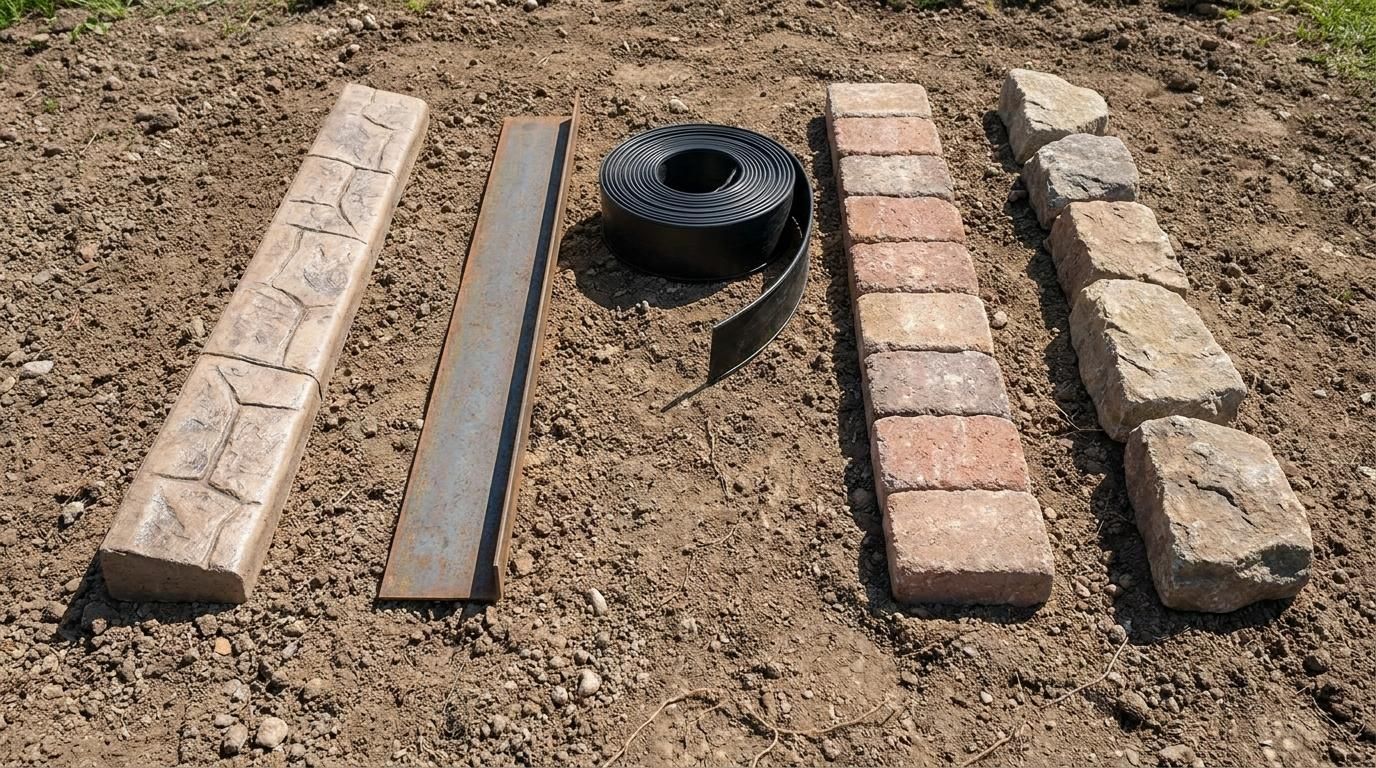
6 Flower Bed Edging Ideas That Define Toledo Yards & Gardens
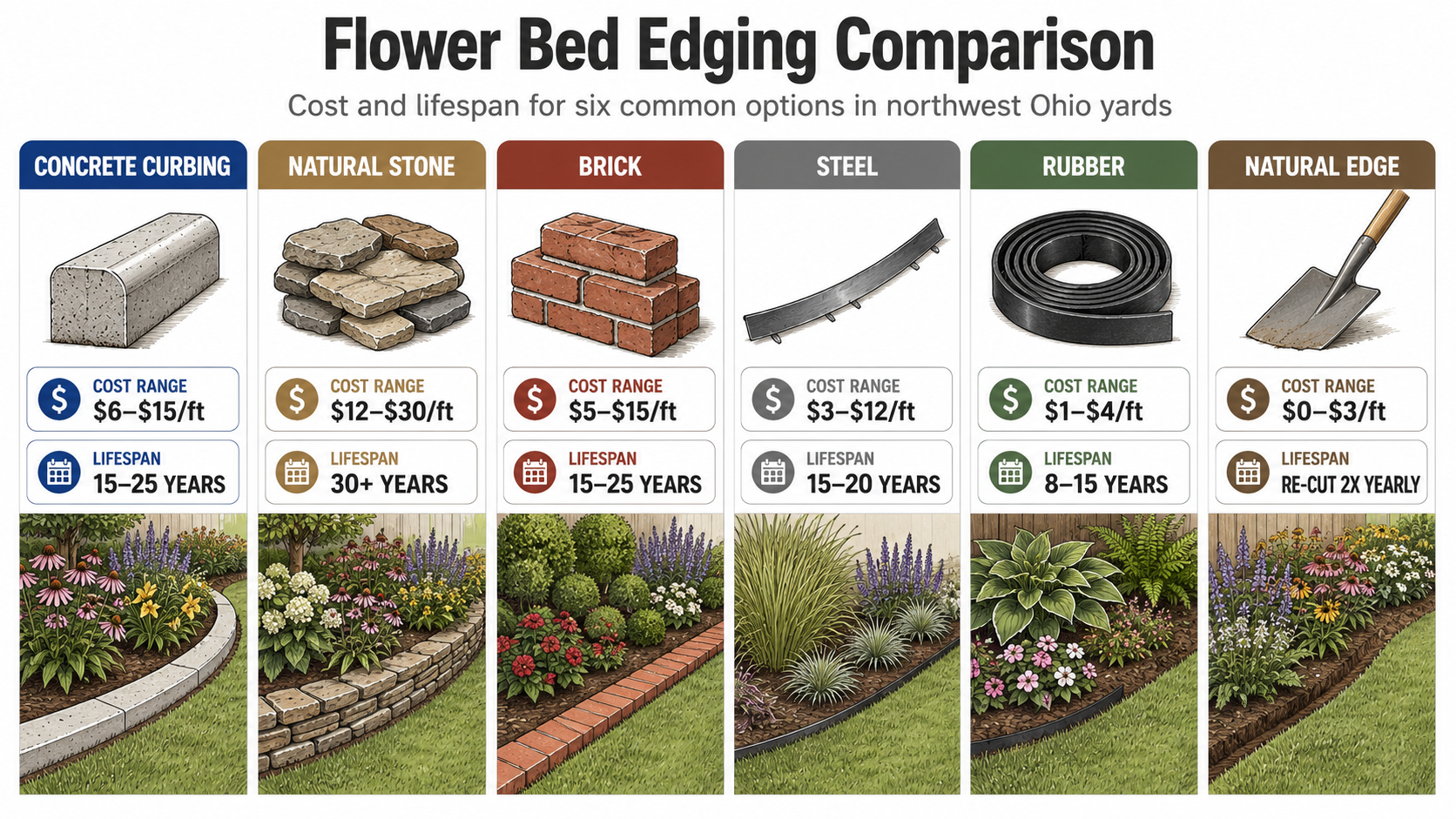
The six most common flower bed edging options for Toledo yards are decorative concrete curbing, natural stone, brick, steel or aluminum, rubber or recycled plastic ($1 to $4 per linear foot, 8 to 15 years), and a spade-cut natural edge. Each option handles mulch containment, lawn separation, and freeze-thaw cycles differently. The right choice for your property depends on your budget, the look you want from the street, and how much maintenance you're willing to take on.
Stuckey's Curb & Landscape pours custom concrete curbing for homeowners across Toledo and northwest Ohio. In this blog post, we explore each edging option in detail: what it costs, how long it lasts in northwest Ohio's freeze-thaw climate, and where each option fits best.
Decorative Concrete Curbing
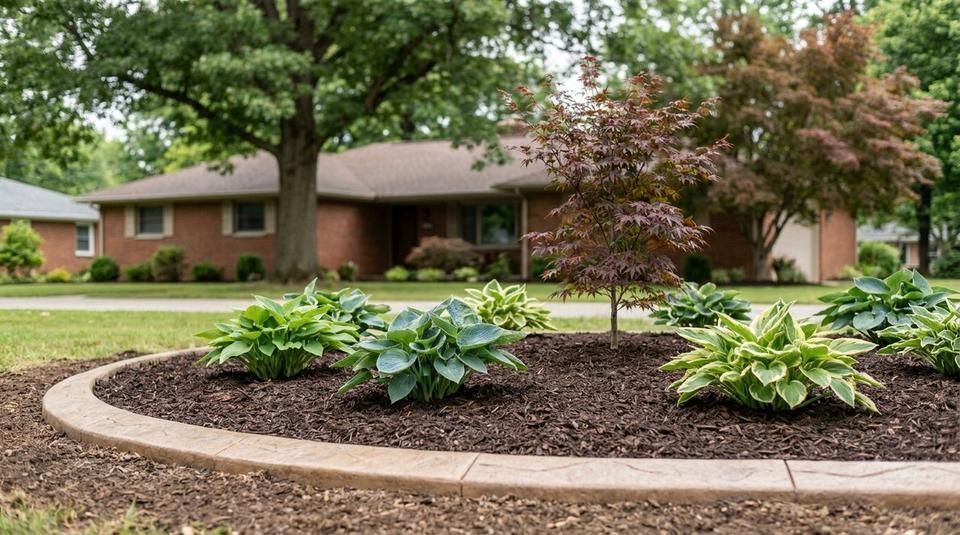
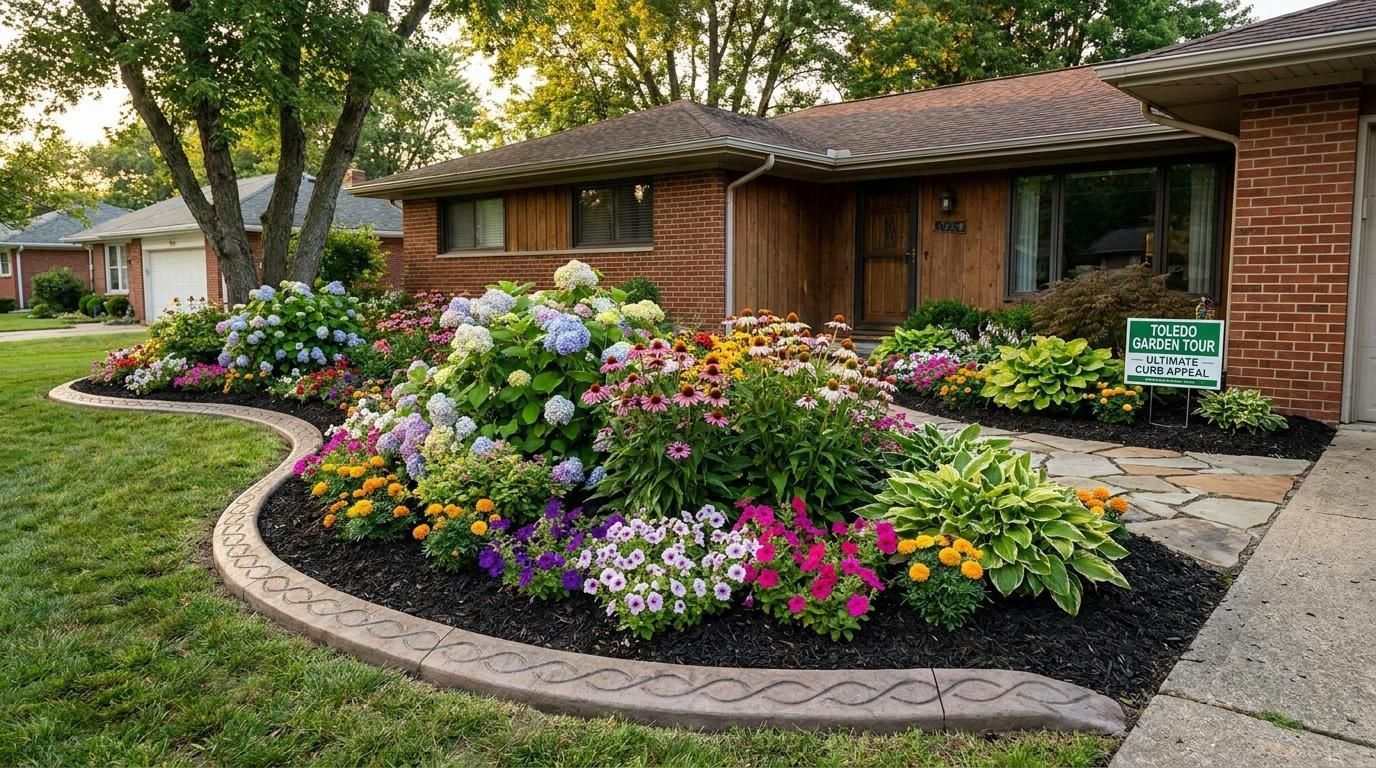
Decorative concrete curbing is a continuous border poured directly on-site and shaped into patterns that match the home. It eliminates the gaps, joints, and shifting that plague segmented edging materials.
Cost and Lifespan
Concrete curbing costs $8 to $18 per linear foot installed, depending on the profile shape and color. A properly poured curb typically lasts 15 to 25 years with minimal maintenance. Stuckey's Curb & Landscape offers a range of curbing styles including slant, mower, and stamped profiles for northwest Ohio properties.
Best Use
Large beds, front-yard foundation plantings, and any area where mowing right up to the edge matters. The continuous pour follows curves naturally, which makes it a strong fit for kidney-shaped beds and tree rings.
Natural Stone Edging
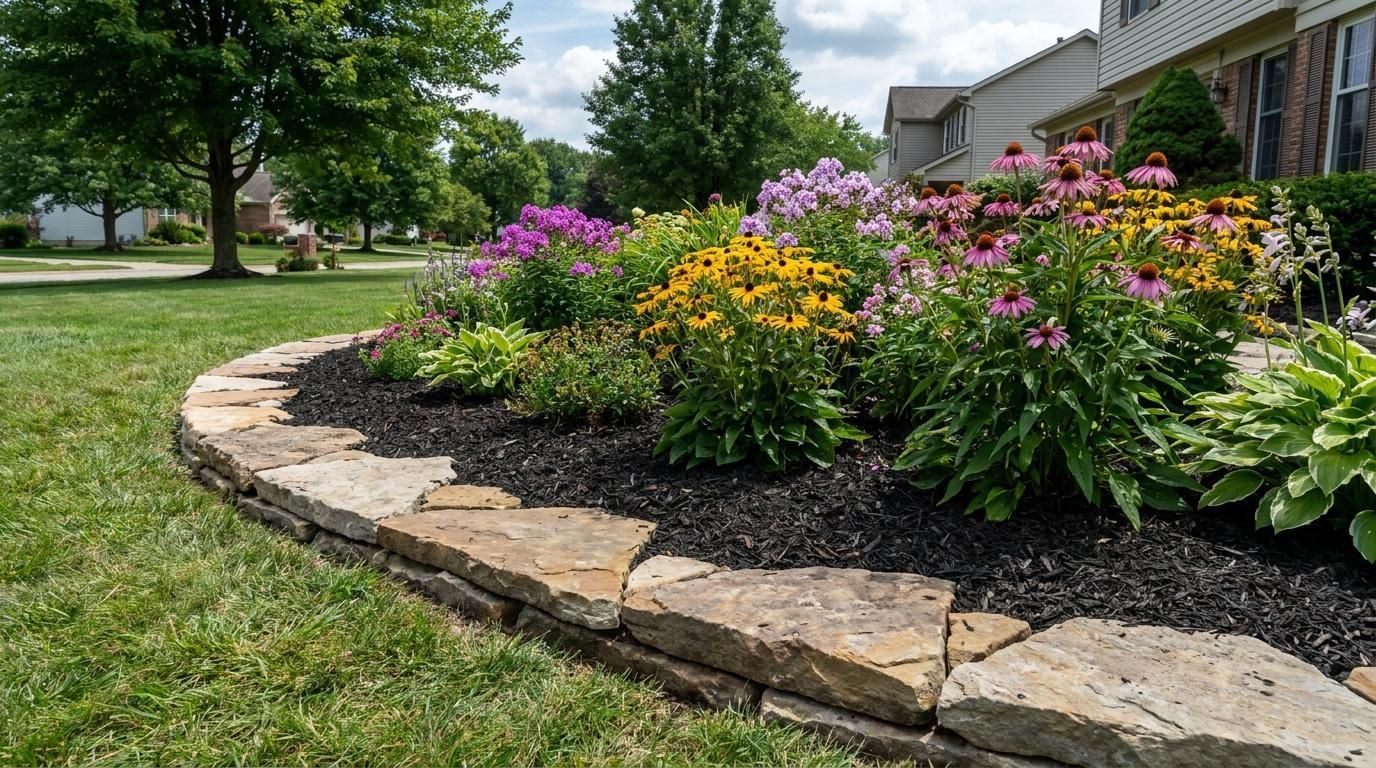
Flagstone, fieldstone, and limestone blocks create an organic look that blends with cottage and Craftsman landscapes. Stone edging works well in Toledo yards with existing rock features or natural-style plantings.
Cost and Lifespan
$12 to $30 per linear foot for material and installation. Lifespan is essentially indefinite, but stones shift over time in Ohio freeze-thaw cycles and may need resetting every few years.
Best Use
Curved beds, raised planting areas, and yards where the homeowner wants a natural, unstructured border. Heavier stones stay in place better but require more labor to install.
Brick Edging
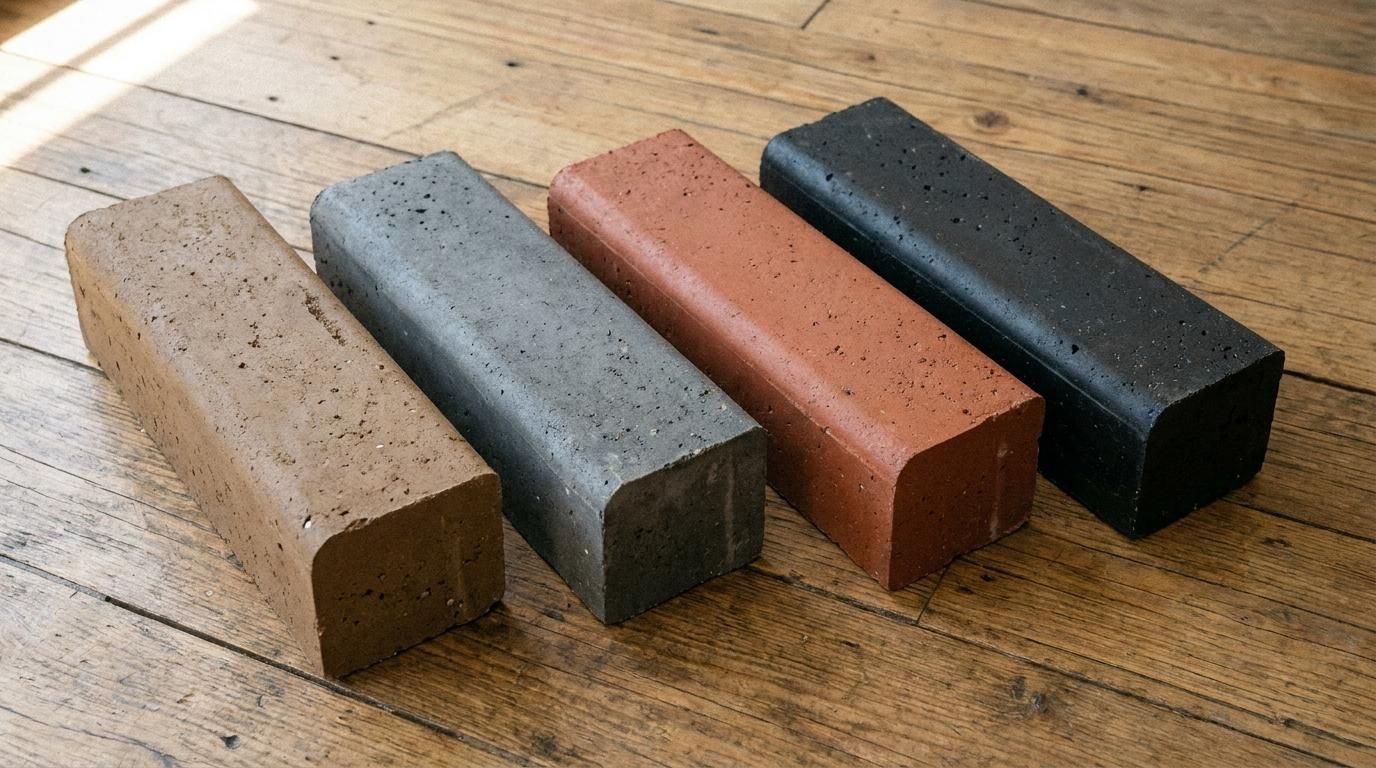
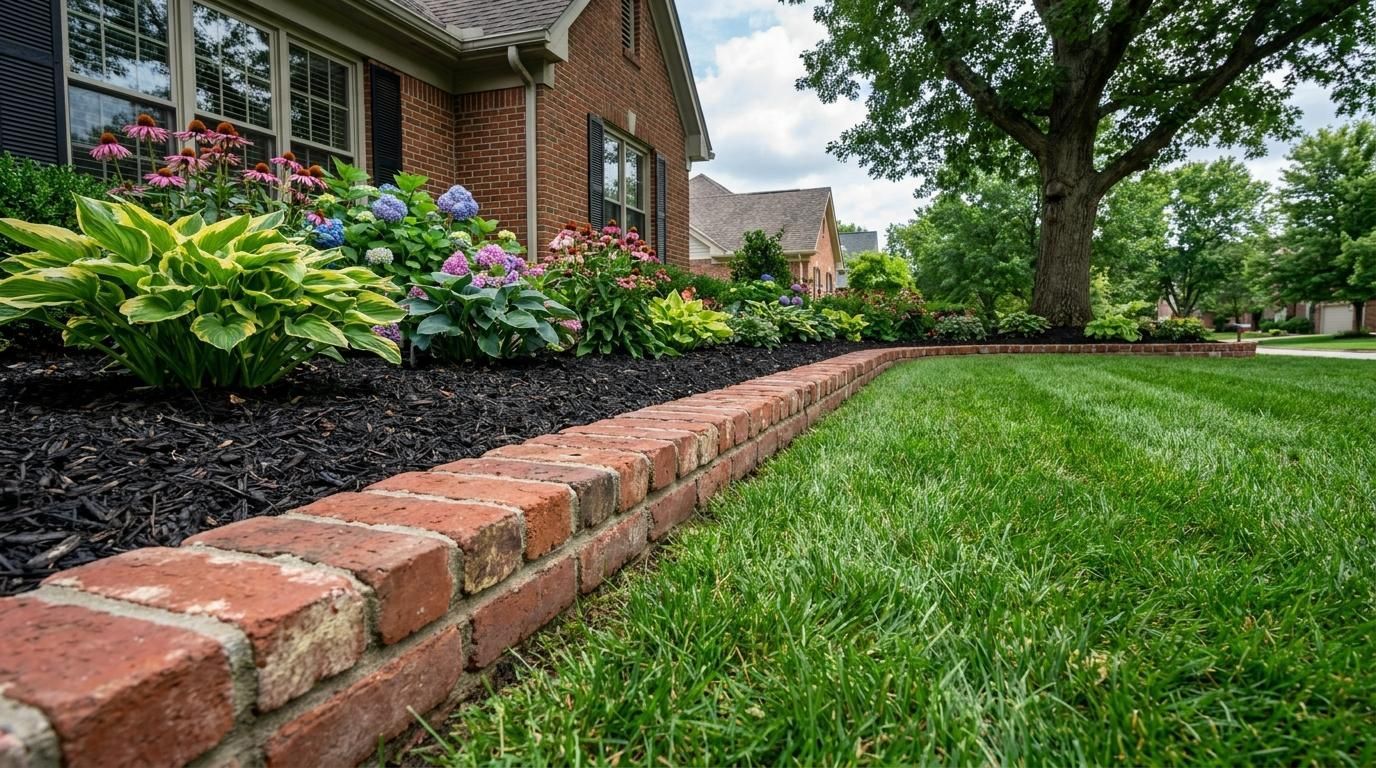
Brick edging offers a classic, symmetrical look that suits Colonial and traditional homes. Standard pavers or reclaimed bricks can be set flat, angled, or upright along bed borders.
Cost and Lifespan
$5 to $15 per linear foot installed. Brick typically lasts 15 to 25 years depending on paver grade and whether a concrete footing is used. Lower-grade brick can crack after several freeze-thaw cycles in northwest Ohio.
Best Use
Straight-line beds, walkway borders, and formal garden layouts. Brick pairs well with fresh mulch , enabling homeowners to create polished, finished appearances along driveways and front entries.
Steel and Aluminum Edging
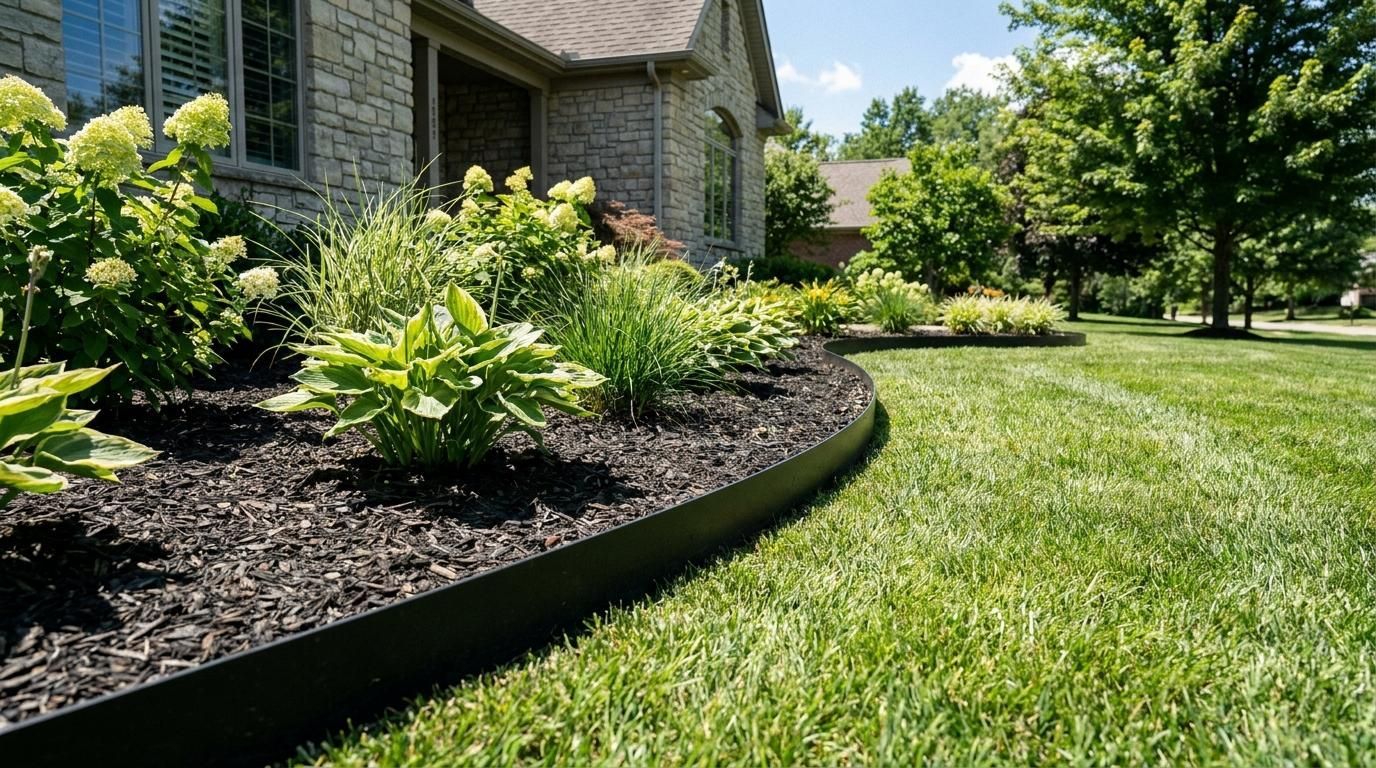
Metal edging creates a thin, nearly invisible border between lawn and bed. It holds a clean line without adding a visual element that competes with the plantings.
Cost and Lifespan
$3 to $12 per linear foot for material and stakes. Steel edging with a powder-coated or cor-ten finish typically lasts 15 to 20 years. Aluminum is lighter and rust-proof but bends more easily under foot traffic.
Best Use
Modern landscapes, minimalist designs, and any bed where the homeowner wants the plants to be the focal point rather than the border itself. Metal edging also works well for separating mulch beds from gravel paths.
Rubber and Recycled Plastic Edging
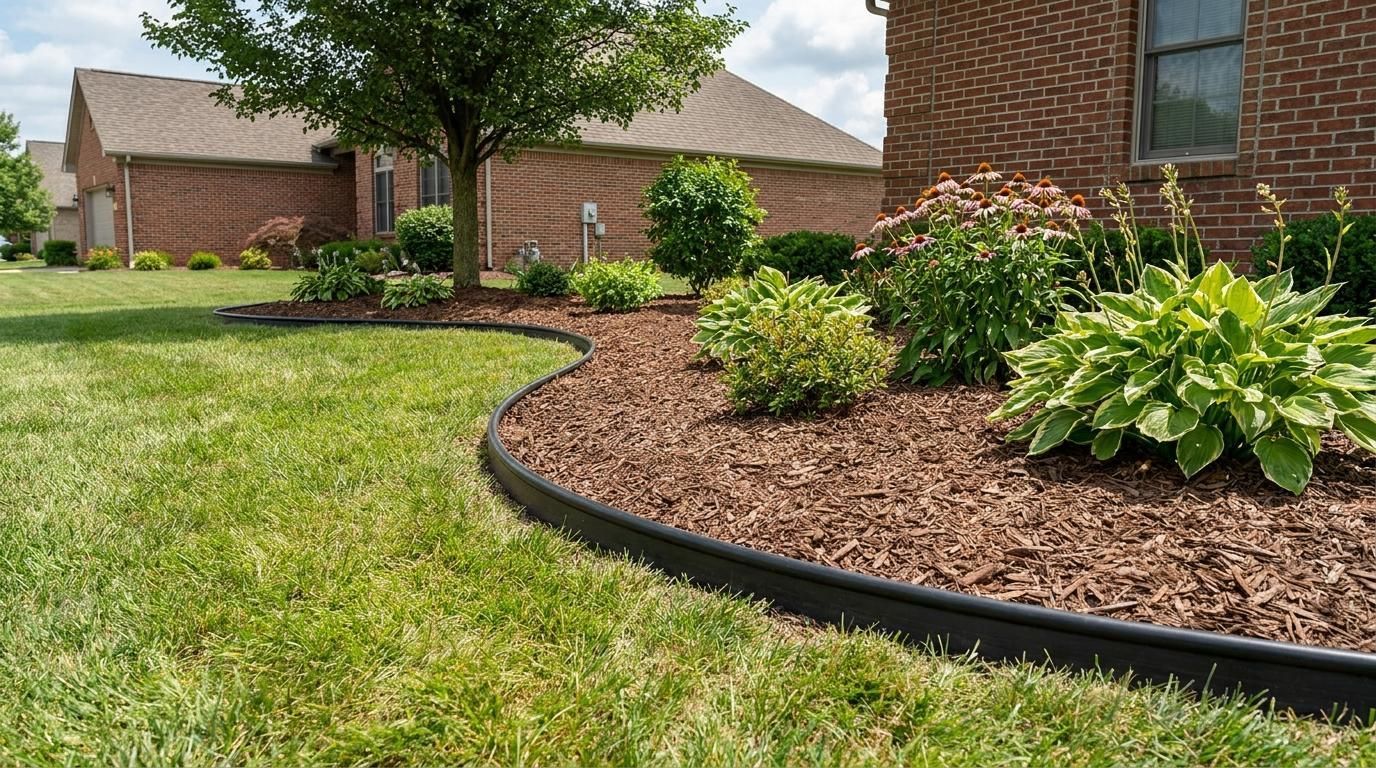
Rubber and recycled plastic edging are the most budget-friendly permanent options. They flex easily around curves and install with simple stakes driven into the ground.
Cost and Lifespan
$1 to $4 per linear foot. Typical lifespan is 8 to 15 years before UV exposure and mower contact break the material down. Thicker commercial-grade rolls hold up significantly longer than thin hardware-store strips.
Best Use
Side yards, back beds, and areas where budget matters more than appearance. Rubber edging sits low to the ground, so it works best when paired with a thick mulch layer that hides the top edge.
Spade-Cut Natural Edge
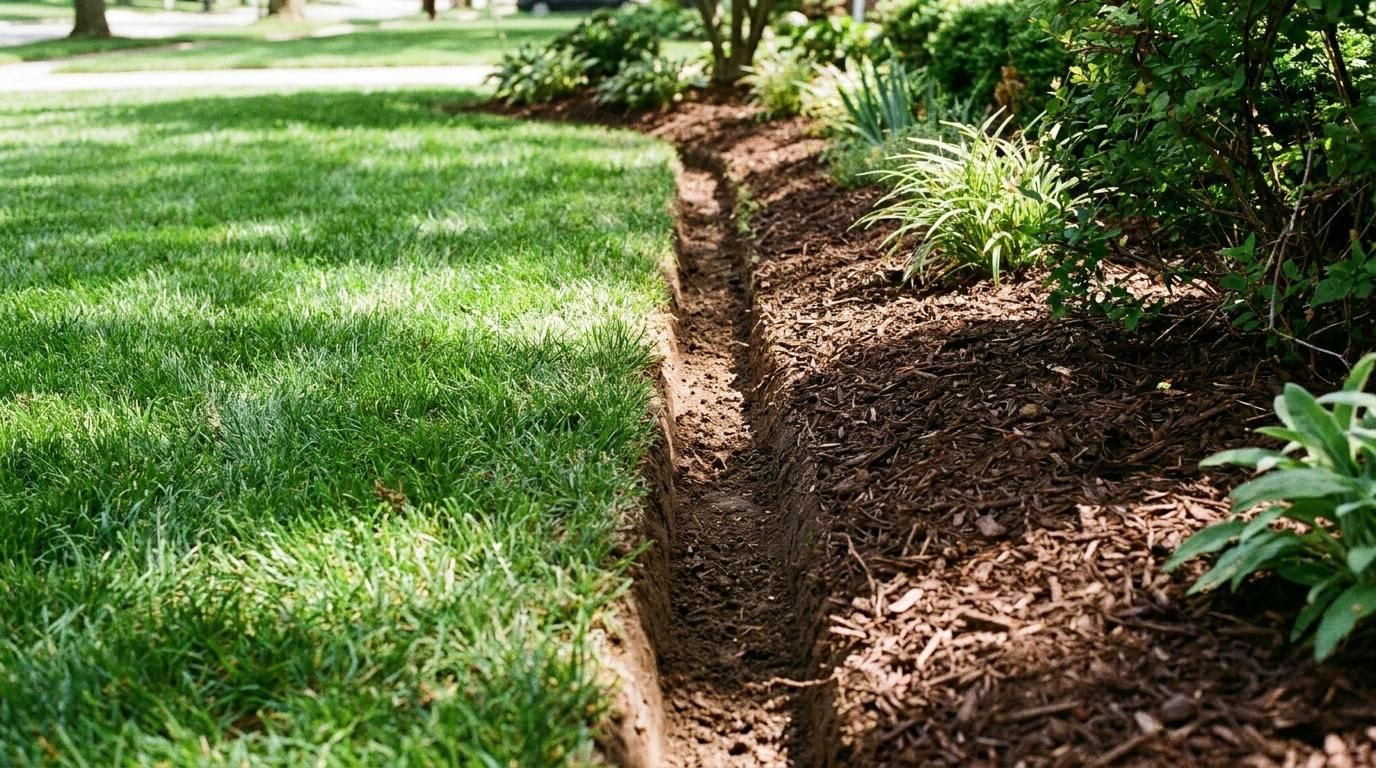
A spade-cut edge is a V-shaped trench carved between the lawn and the bed with a flat-blade spade. It costs nothing beyond labor and gives a crisp line when freshly cut.
Cost and Lifespan
$0 to $3 per linear foot if hiring labor for the initial cut. The edge typically lasts one growing season before grass creeps back in and the trench needs re-cutting. In northwest Ohio, most natural edges need refreshing twice a year.
Best Use
Cottage gardens, informal landscapes, and homeowners who prefer a soft, natural transition between lawn and bed. It pairs well with any planting style but demands the most ongoing upkeep of any option on this list.
Frequently Asked Questions
What is the most durable flower bed edging?
The most durable flower bed edging is decorative concrete curbing, which typically lasts 15 to 25 years as a continuous, seamless border with minimal maintenance. Natural stone is effectively permanent but may need periodic resetting every few years as freeze-thaw cycles shift individual pieces. Both options outlast plastic, rubber, and natural spade-cut edges by a wide margin.
What is the cheapest flower bed edging?
The cheapest flower bed edging is a spade-cut natural edge, which costs nothing beyond a flat-blade spade and your time. For purchased material, rubber or recycled plastic edging is the most budget-friendly option at $1 to $4 per linear foot installed. Both require more frequent maintenance than higher-cost options like concrete or stone.
How do I keep edging from shifting?
The most effective way to keep edging from shifting is by having concrete curbing installed. Concrete curbing is poured in place and does not shift at all. Stone and brick stay put when set on a compacted gravel base. Metal edging needs stakes every three to four feet, and plastic or rubber edging should be staked firmly and rechecked each spring after freeze-thaw movement.
Choose the Edging That Fits Your Yard
To find the flower bed edging that fits your yard, ask yourself three questions: what's your budget per linear foot, how much maintenance are you willing to do each spring, and what look do you want from the street. Concrete curbing wins on lifespan and lowest annual upkeep. Stone and brick add character and last decades with occasional resetting. Metal stays nearly invisible and lets the plants take focus. Rubber and natural spade-cut edges keep the upfront cost low but need replacement or refreshing more often.
For decorative concrete curbing or professional edging installation in Toledo, Holland, Sylvania, Maumee, or Perrysburg, contact Stuckey’s Curb & Landscape at (419) 356-3648 for a free estimate.