How Often Should You Dethatch Your Lawn? Ohio Timing Guide
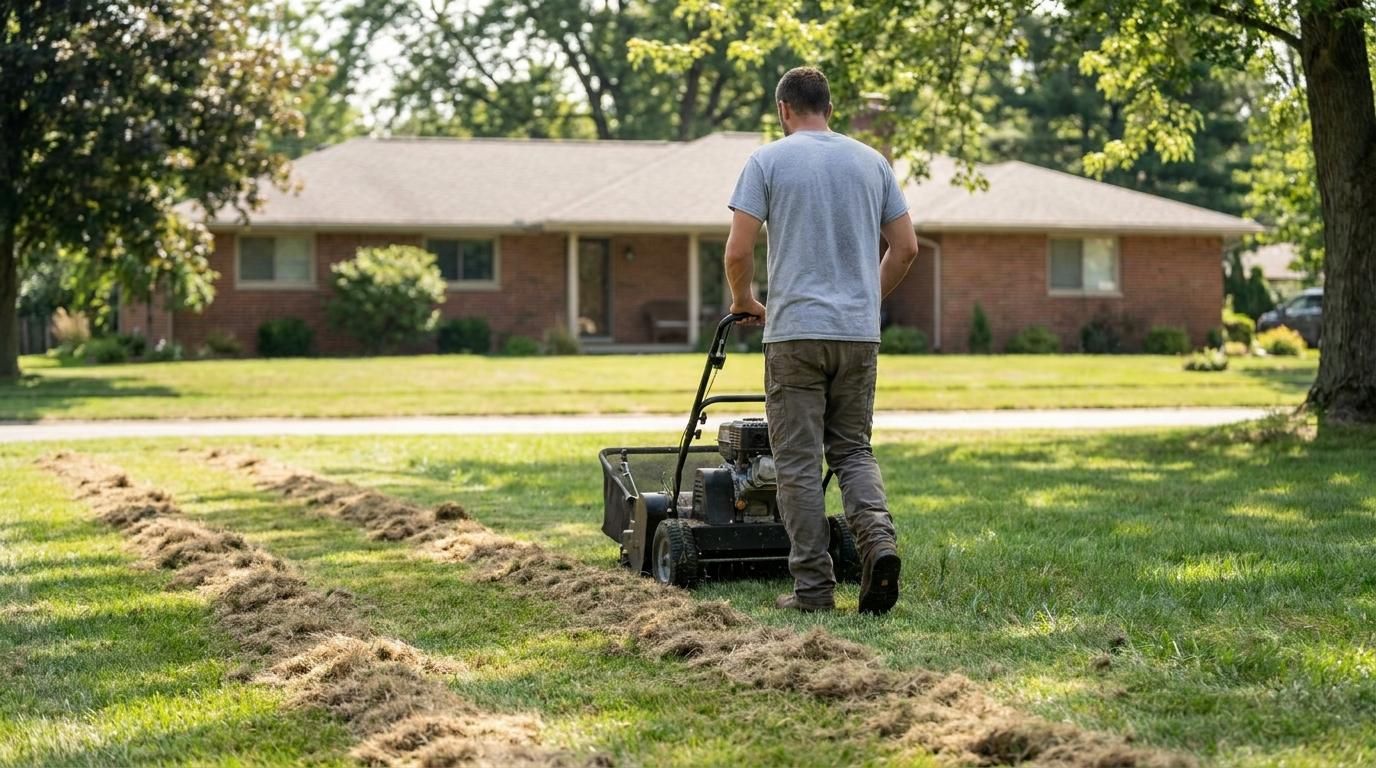
Most cool-season lawns in Northwest Ohio only need dethatching every two to three years, and some go four or five. It depends on how fast the grass sheds dead material and how active the soil is at breaking it down. Stuckey's Curb & Landscape’s landscape design and maintenance includes spring dethatching, but we only accept requests for it when the thatch layer is thick enough to justify the work.
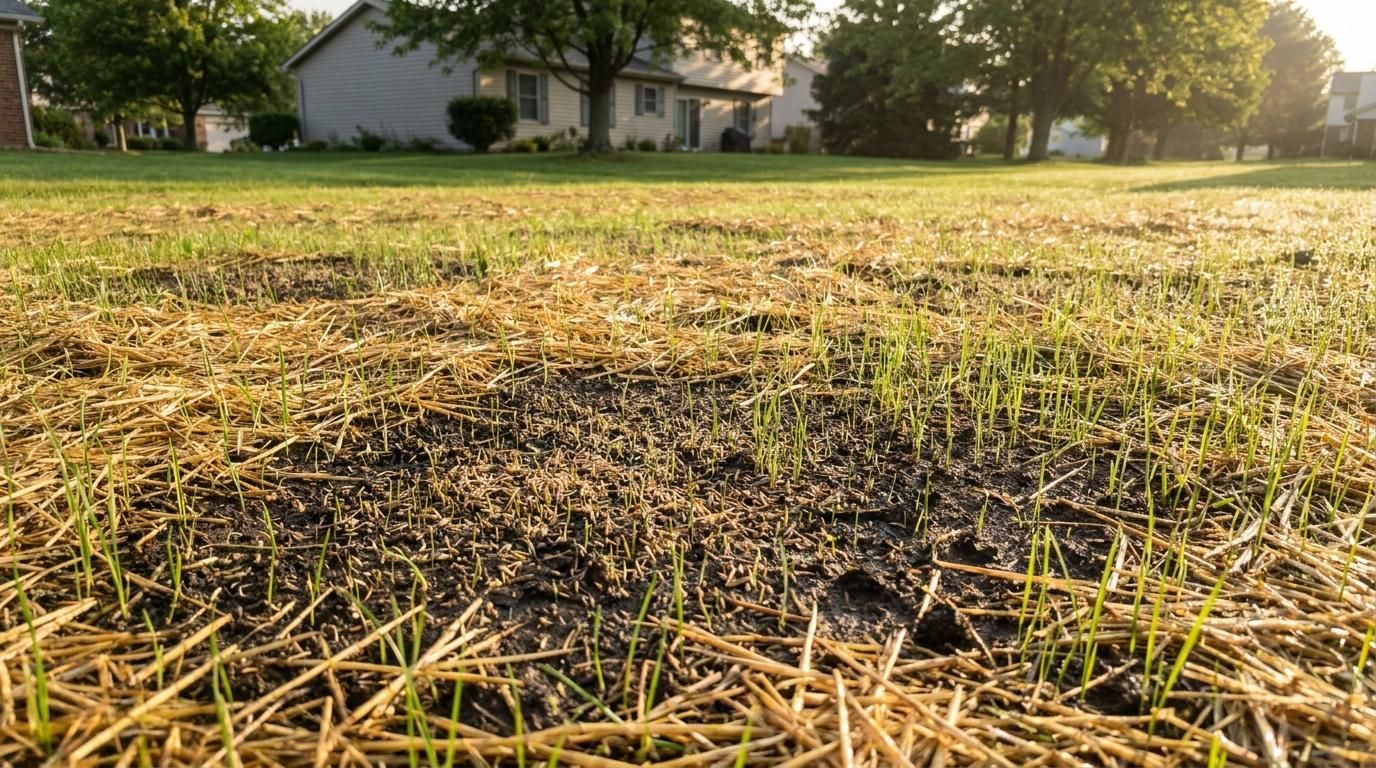
If you dethatch a healthy lawn every spring, the rake pulls out live grass along with the dead thatch. That leaves bare patches where crabgrass can move in, and you'll likely have to reseed in the fall to fix it. The good news is that it's easy to tell when a lawn actually needs dethatching, and most yards only need it on a set schedule. Below, we cover how often cool-season lawns really need dethatching, the signs that it's time, the best season for it, and when to skip it.
How Often Cool-Season Lawns Actually Need Dethatching
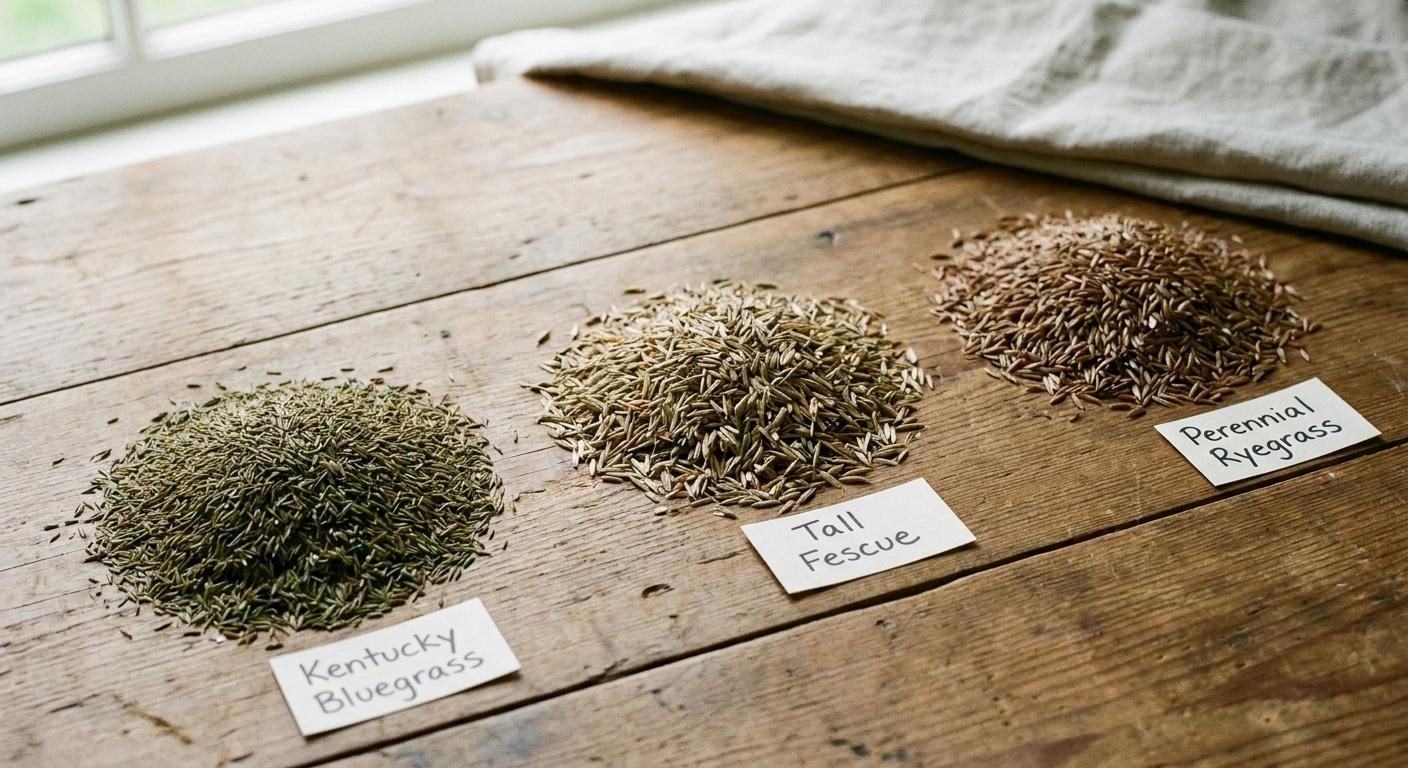
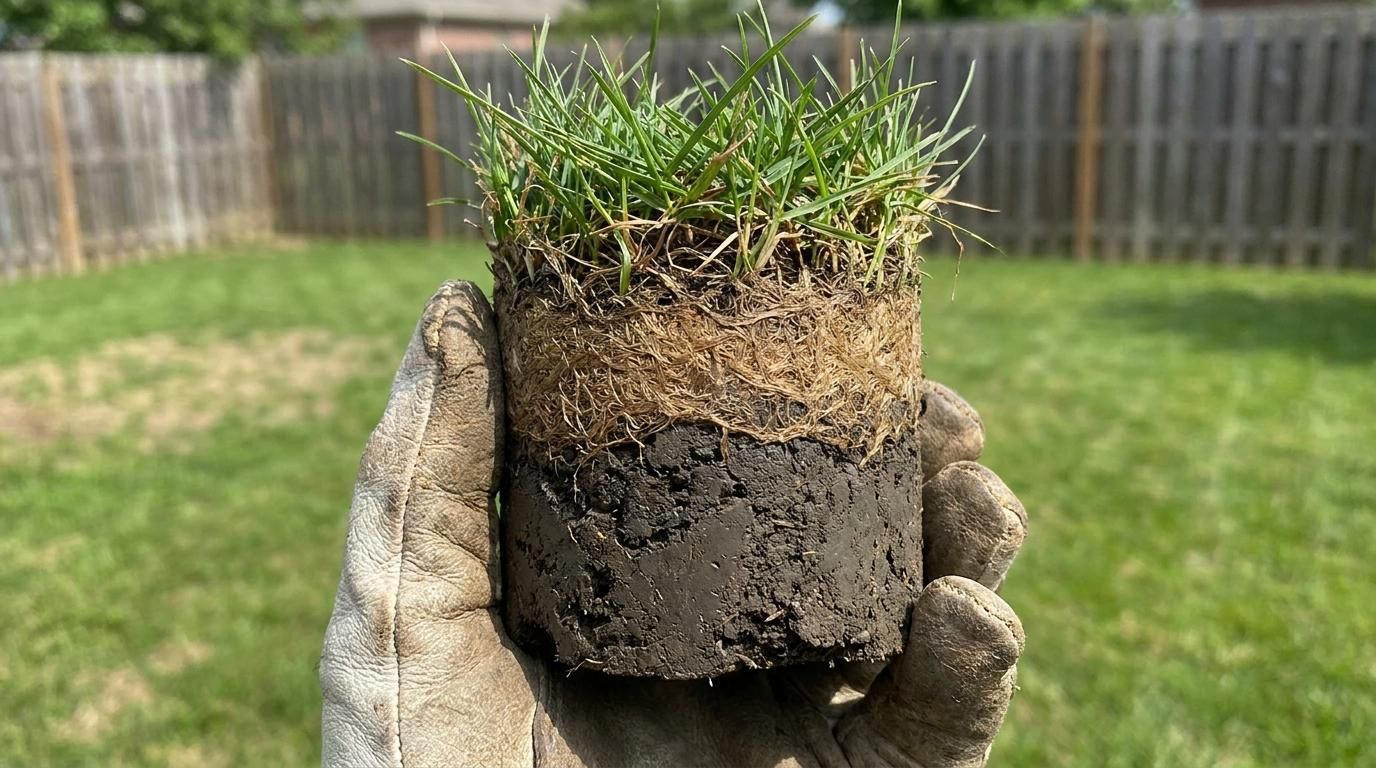
Most Northwest Ohio lawns blend Kentucky bluegrass, tall fescue, and perennial ryegrass, three cool-season grasses that build thatch slowly. A healthy mixed-grass yard typically needs dethatching once every two to three years; some lawns sitting on rich, microbially active soil stretch four or five years between treatments. The half-inch rule is the easiest standard to use. Sink a screwdriver to the soil and measure the fibrous brown layer between the green blades and the dirt. Under half an inch, the soil microbes are keeping up and a dethatching pass isn't earning its place yet.
How to Tell If Your Lawn Needs Dethatching This Year
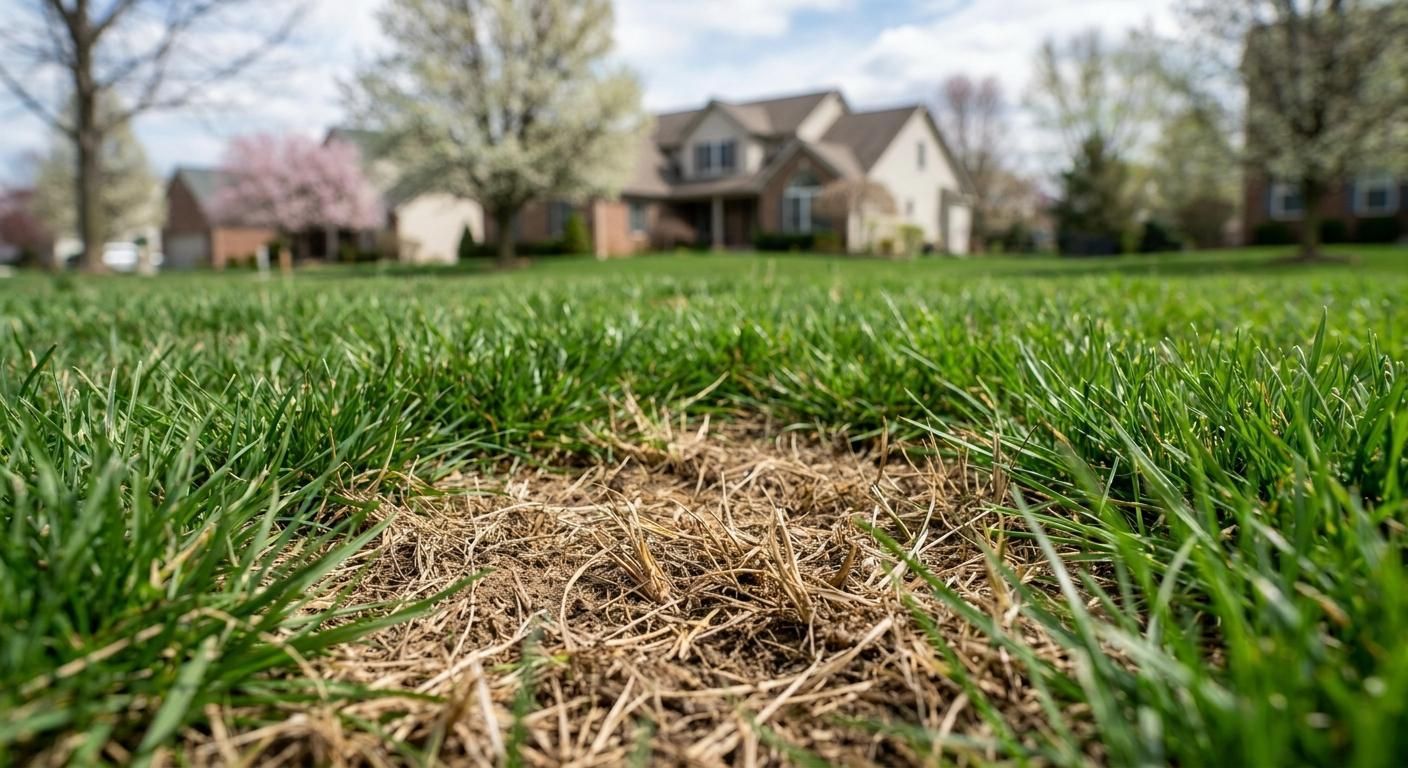
Four signs flag a thatch problem before the calendar does. The lawn feels spongy when you walk on it, especially after rain. Water beads or runs off instead of soaking in, even on soil that drains well. Patches thin out despite normal watering and a regular fertilizer pass. And on a four-inch plug pulled with a knife, the brown fibrous layer measures more than half an inch.
One sign on its own usually isn't enough; two or more together signal that the lawn has crossed into the territory where what lawn dethatching actually does starts paying off.
Best Timing for Dethatching in Northwest Ohio
Early fall is the strongest window for Toledo-area cool-season lawns. Grass is coming out of summer heat stress, roots are pushing growth ahead of dormancy, and an August 15 to September 30 pass leaves warm soil for recovery before the first hard freeze. Late spring works as a backup, but the window is shorter: wait for soil temperatures above 55°F, usually mid-May, and finish before the June heat. Summer dethatching during July bakes already-stressed crowns, and winter dethatching damages dormant grass that can't repair.
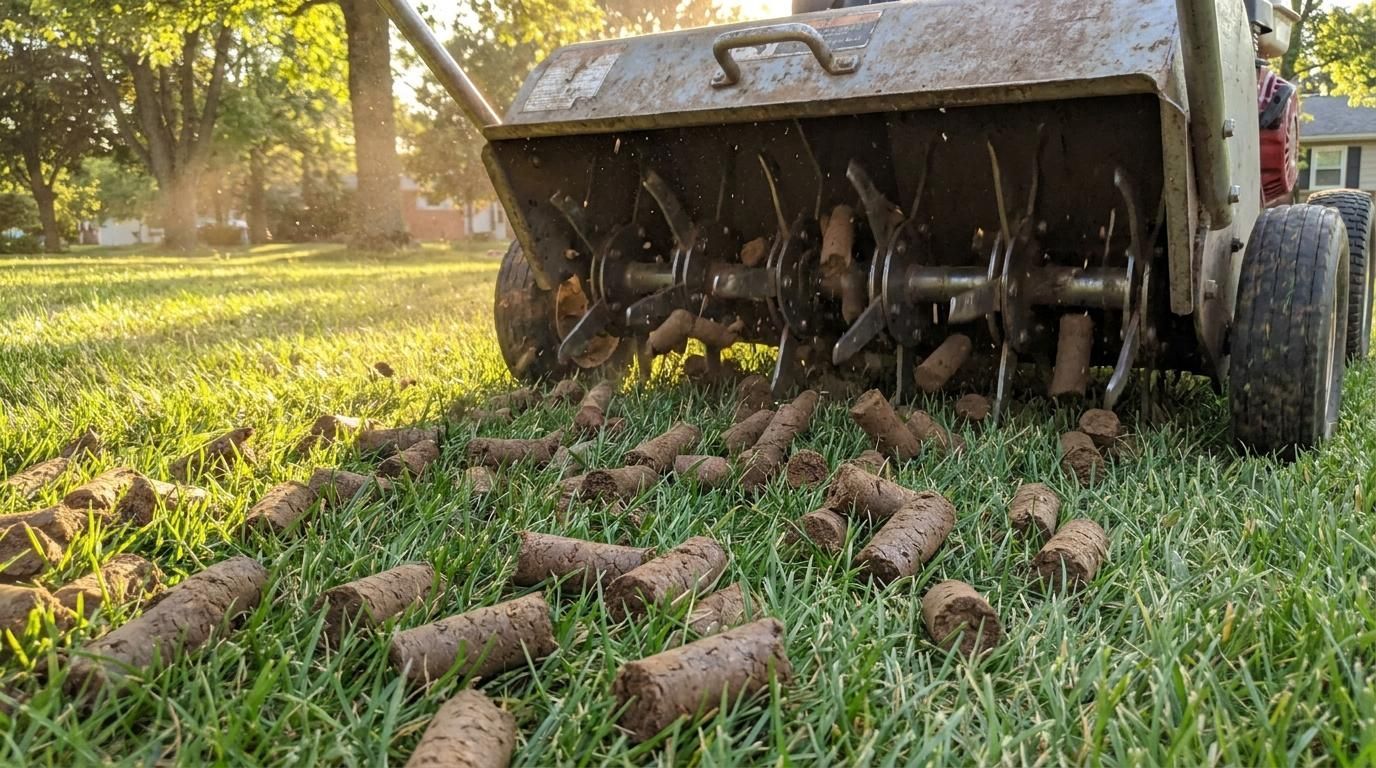
The practical differences between dethatching and aerating decide which fall pass your yard actually needs.
When to Skip Dethatching Entirely
Some lawns shouldn't be dethatched even when the calendar says it's time. New seed or sod under two years old hasn't built the crown density needed to survive the rake, and pulling that young turf opens bare ground for crabgrass and chickweed.
Drought-stressed or recently fertilized lawns need a recovery window first. If a screwdriver test shows thatch under half an inch, the microbes are doing the job already, and dethatching healthy turf strips out live tillers and forces a reseeding bill in October. Yards across Sylvania, Maumee, and Perrysburg often get a year-off recommendation after an in-person look.
Frequently Asked Questions
Can you dethatch your lawn too much?
Yes, you can dethatch your lawn too much, and the result is thinning turf the next season. Aggressive vertical-mower or rake passes strip live tillers and crowns along with dead material, opening bare ground for crabgrass. Most Northwest Ohio lawns only need the work every two to three years, so an annual pass on a yard that doesn't need it almost always sets the turf back.
Should I mow before dethatching?
You should mow before dethatching to give the equipment a cleaner cut at the thatch layer. Cut the grass to about two inches the day before, lower than your usual height but not scalped, so the dethatcher reaches the fibrous brown material without snagging on tall blades. Skip the pre-mow only if your lawn is already short and dry from a recent cut.
Will grass grow back after dethatching?
Grass grows back after dethatching as long as the timing matches the lawn's recovery window. A healthy cool-season lawn dethatched in early fall or mid-spring fills in within three to four weeks, especially with a light overseed and consistent watering. Recovery stalls when dethatching hits summer heat, drought-stressed turf, or lawns younger than two years.
Get a Read on Your Lawn Before the Next Dethatching Pass
It comes down to thatch depth, season, and turf age. Most Northwest Ohio yards earn a pass every two to three years, with early fall as the best window and late spring the backup. Skip it on new sod, stressed turf, or any lawn testing under half an inch of thatch.
If you'd rather have someone test the lawn and tell you whether this is the year, schedule a free dethatching estimate or call (419) 574-6136. We'll check the thatch layer and the turf health before recommending any work.