Dethatching vs Aerating: Which Does Your Northwest Ohio Lawn Actually Need?

Nate Stuckey • April 15, 2026

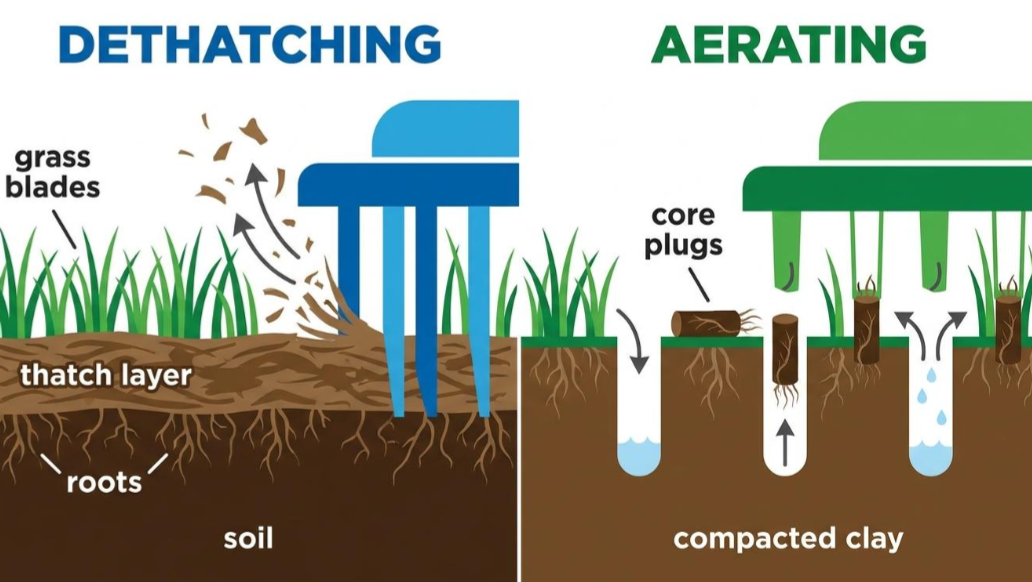
Dethatching vs aerating addresses two different lawn problems. Dethatching removes the layer of dead grass and organic debris sitting on top of your soil, while aerating punches holes into compacted ground so water and nutrients reach the plant roots.

You've probably seen both treatments recommended in spring lawn care guides without a clear explanation of which one your yard actually needs. The answer depends on what's happening below the surface, not just what your grass looks like from the sidewalk. Stuckey's Curb & Landscape offers both as part of its lawn maintenance program for homeowners from Holland to Perrysburg and surrounding northwest Ohio communities.

What Dethatching Does for Your Lawn

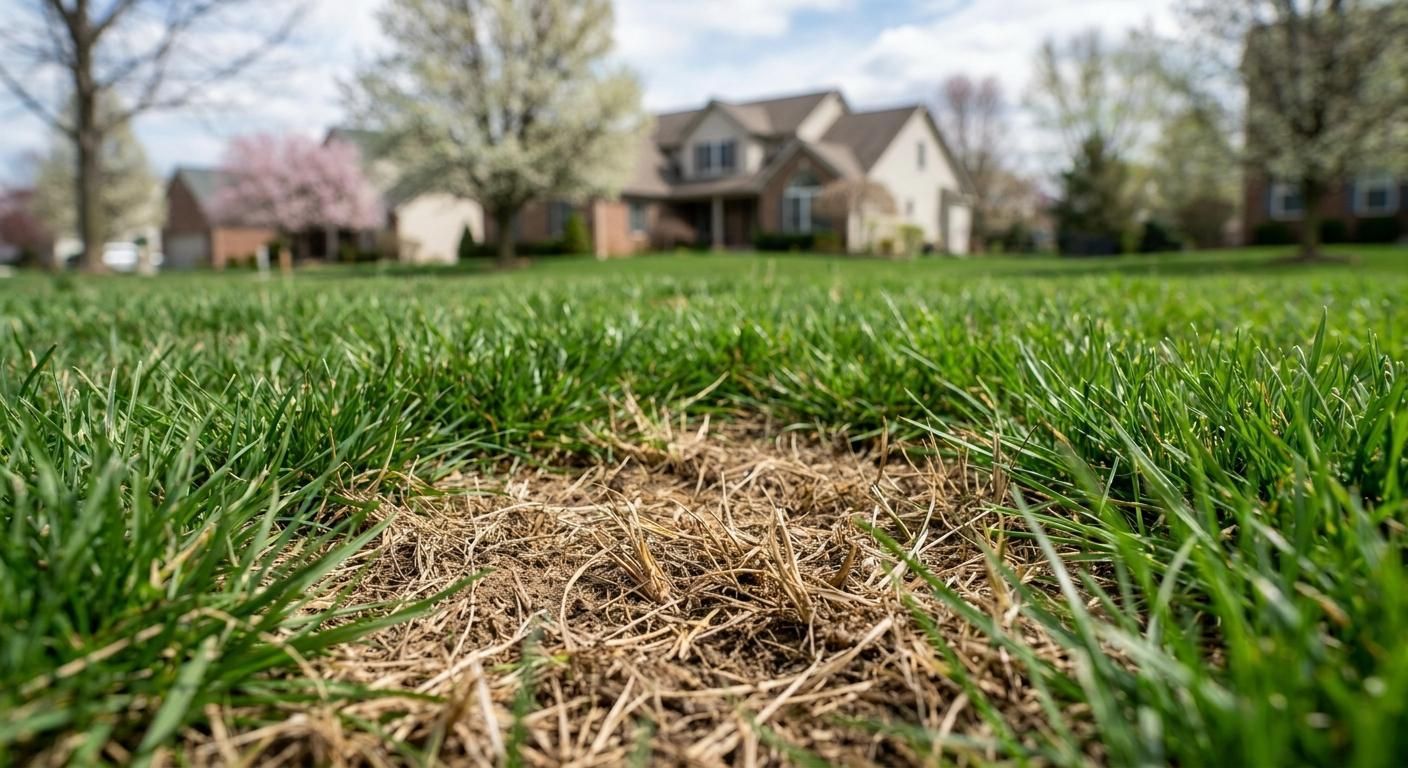
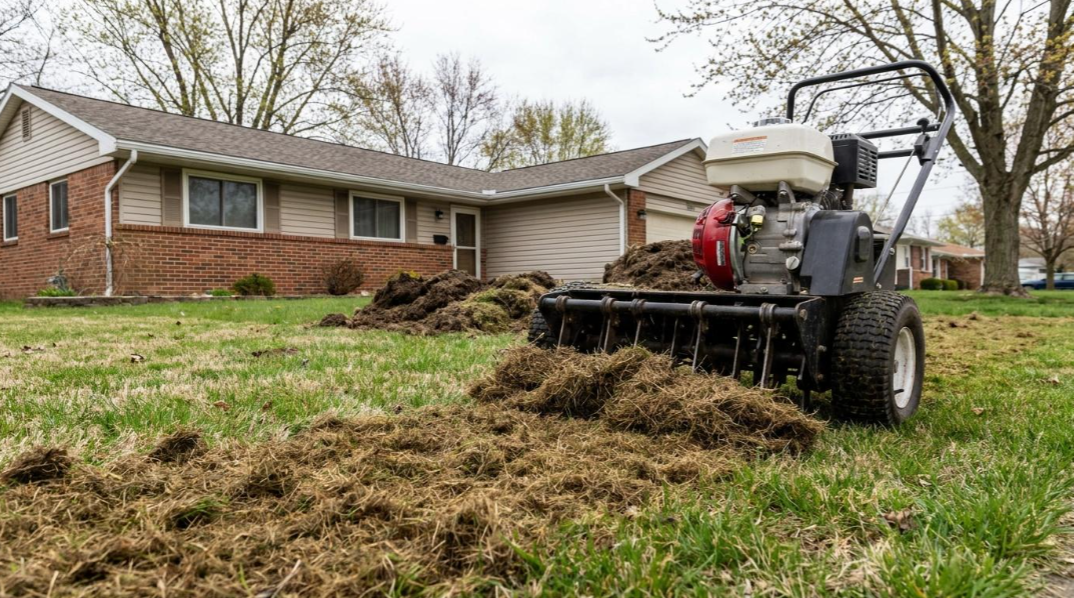
Thatch is the spongy layer of dead grass stems, roots, and organic matter that builds up between your grass blades and the soil surface. A thin layer under half an inch is actually helpful because it insulates roots and holds moisture. Problems start when thatch exceeds three-quarters of an inch, which is common in northwest Ohio's cool-season lawns because Kentucky bluegrass produces runners that decompose slowly in clay soil.

Thick thatch blocks water, fertilizer, and air from reaching the root zone. It also harbors fungal diseases and creates an uneven surface that makes mowing inconsistent. A power rake or vertical mower cuts through this layer and pulls it to the surface for removal. Stuckey's dethatching service works best in early September or late April when cool-season grass recovers quickly.

What Aeration Does for Your Lawn

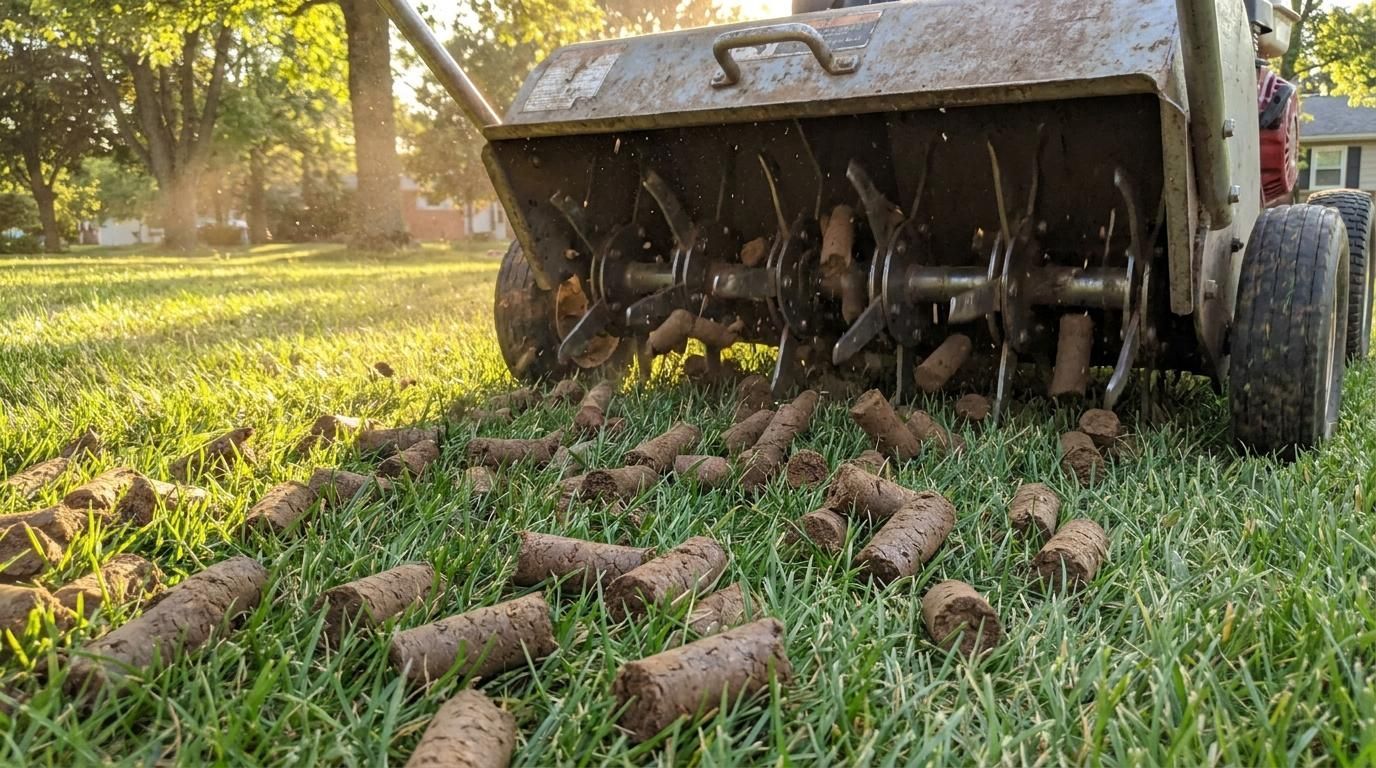
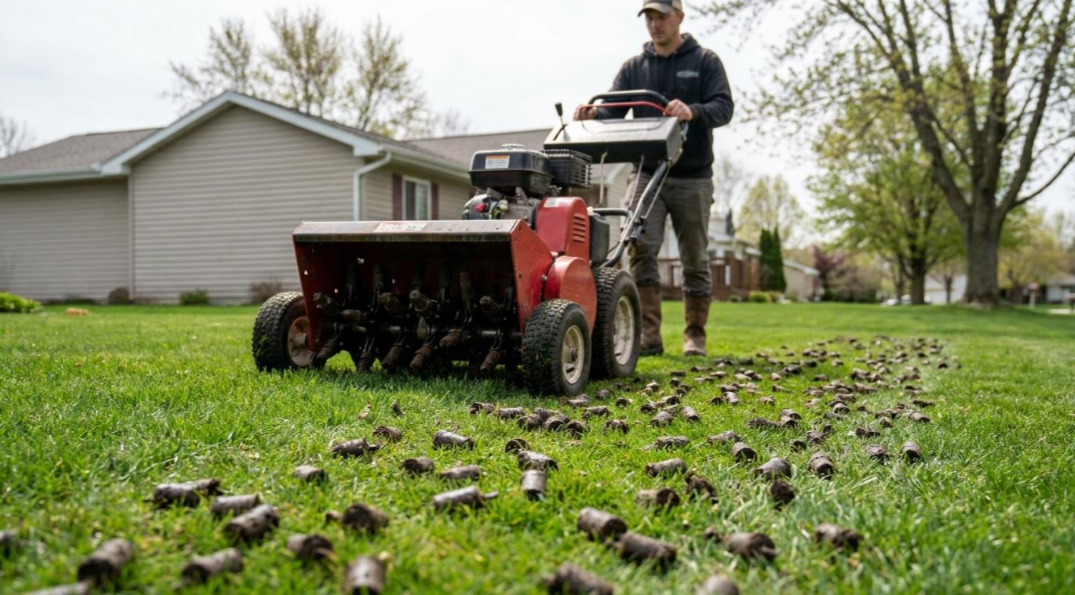
Core aeration pulls small plugs of soil out of the ground, typically two to three inches deep. This breaks up compaction and creates channels for water, oxygen, and fertilizer to penetrate the root zone. Northwest Ohio's heavy clay soil compacts more aggressively than sandy or loamy soils, which makes annual aeration and overseeding especially valuable for Toledo-area lawns.

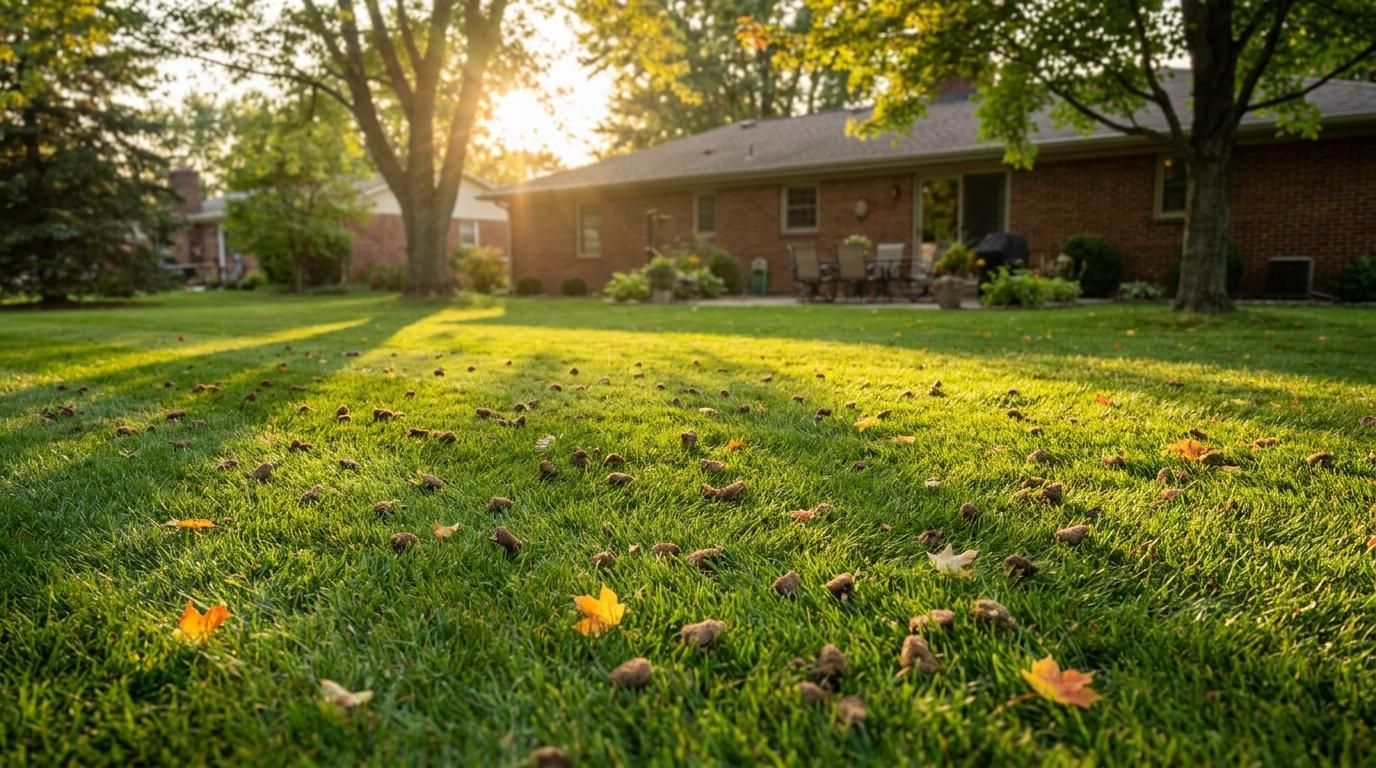
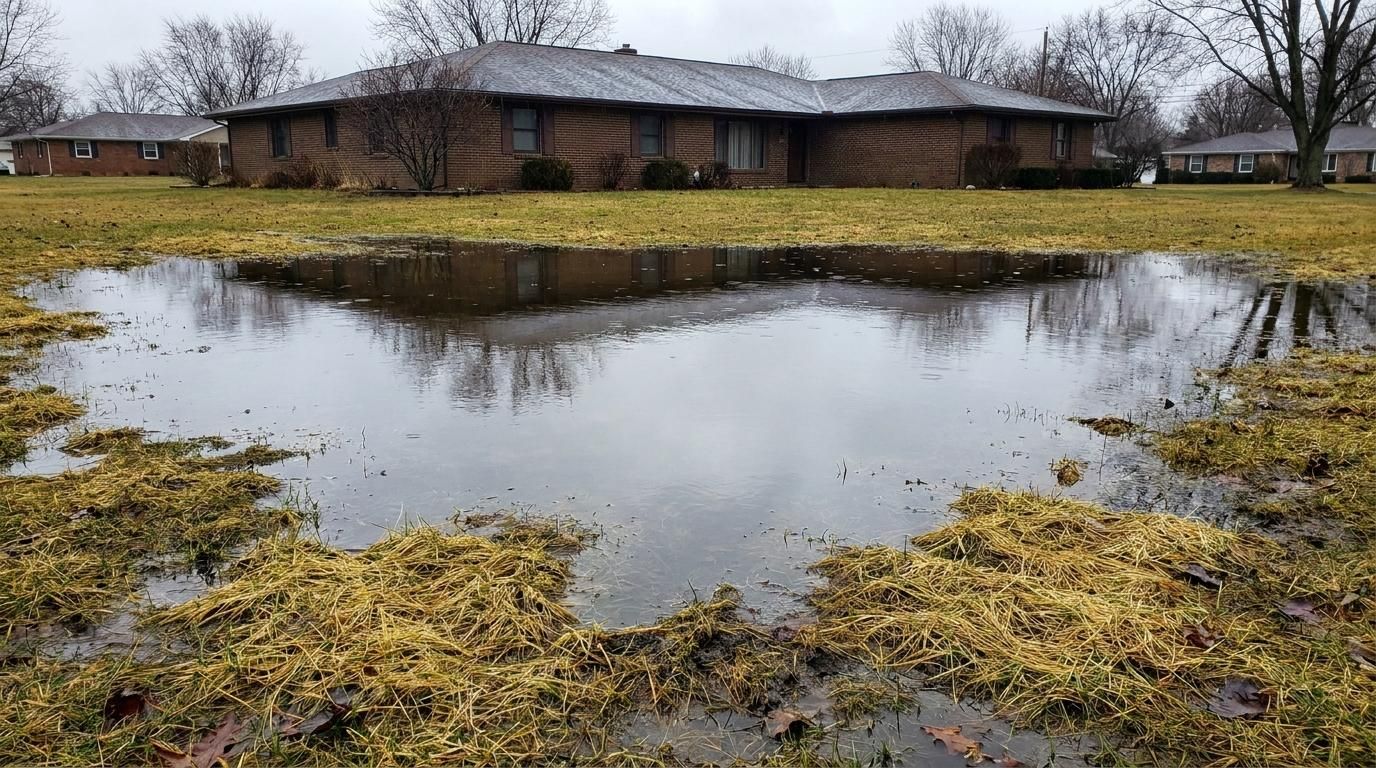
Compacted clay forces roots to stay shallow, leaving grass more vulnerable to summer heat and drought. Aeration also improves drainage on flat northwest Ohio lots where standing water lingers after heavy spring rains. The soil plugs left on the surface break down within a week or two and return nutrients to the lawn naturally.

How To Tell Which Your Northwest Ohio Lawn Needs

Start by checking for thatch. Push your finger into the grass at the soil line. If you feel a spongy, fibrous mat thicker than three-quarters of an inch before reaching dirt, your lawn needs dethatching. If the soil itself feels hard and a screwdriver won't push in easily after a rain, compaction is the issue and aeration is the right treatment.

Many northwest Ohio lawns need both, especially properties with heavy foot traffic or clay soil that hasn't been aerated in two or more years. In that case, dethatch first to clear the surface layer, then aerate to open up the compacted ground beneath. Following both with overseeding fills in thin spots while conditions are ideal.

Frequently Asked Questions

Can you dethatch and aerate at the same time?

Yes, and pairing both in a single visit is common for northwest Ohio lawns with heavy clay soil. Dethatch first to remove surface debris, then core aerate to open up compacted ground underneath. Stuckey's Curb & Landscape often combines both treatments during fall lawn renovation for the strongest recovery results.

When is the best time to dethatch in Ohio?

Early September is the ideal window for dethatching cool-season grasses like Kentucky bluegrass and tall fescue in northwest Ohio. Late April works as a secondary option if spring weather cooperates. Avoid dethatching during summer heat or winter dormancy because grass can't recover from the stress quickly enough.

How often should you aerate a lawn in northwest Ohio?

Most Toledo-area lawns benefit from core aeration once per year, ideally in early fall. Properties with heavy clay, high foot traffic, or visible compaction may need aeration twice annually. Sandy soils rarely need yearly aeration, but that soil type is uncommon across northwest Ohio's glacial clay landscape.

Give Your Lawn the Right Treatment

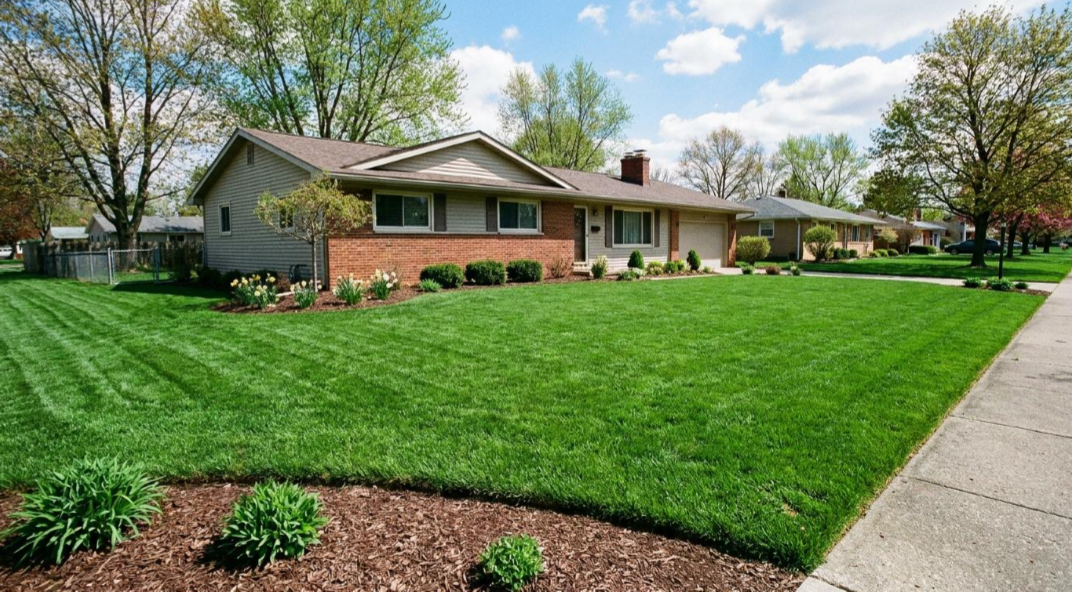
Dethatching and aerating solve different problems. Applying the wrong one wastes time and money without improving your lawn. Check for thatch buildup first, then test for soil compaction. If both conditions exist, address them in the right order and follow up with overseeding for the strongest recovery heading into summer.

Contact Stuckey's Curb & Landscape for a free estimate on dethatching, aeration, or a complete fall lawn renovation for your northwest Ohio property. Call (419) 356 3648 today.

Single-story house with a manicured lawn and curved flower bed in front
By Nate Stuckey April 29, 2026
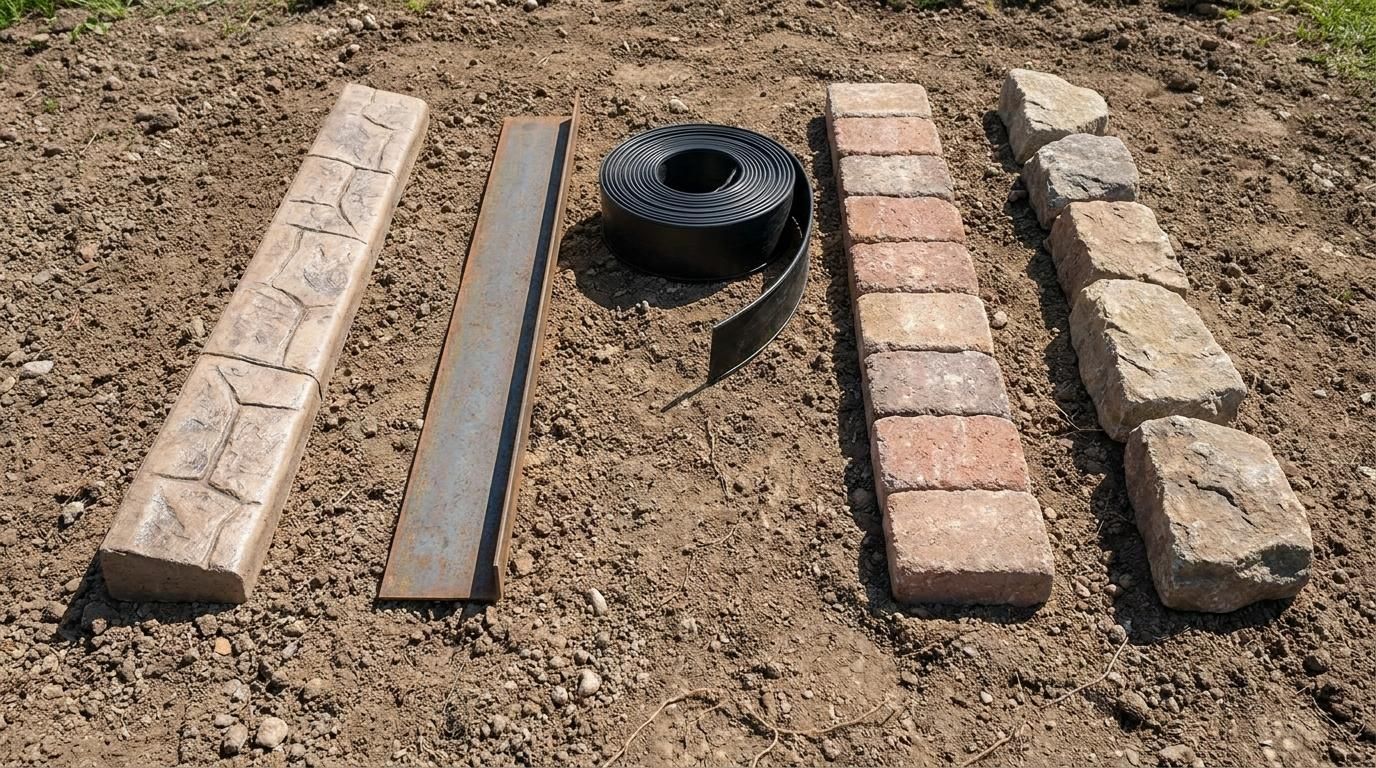
Compare 7 landscape edging options for Ohio yards: concrete curbing, steel, plastic, stone, brick, trench, and rubber. Ranked by durability, cost, and style.
Mulched garden bed with colorful flowers along a curved lawn beside a house
By Nate Stuckey April 21, 2026
Compare the 5 best mulch types for NW Ohio flower beds: hardwood, cedar, cypress, pine bark, and rubber. Local pros, cons, and pricing for Toledo-area yards.
Person raking leaves in front of a brick house on a cloudy day
By Nate Stuckey April 10, 2026
Hydroseeding in NW Ohio costs $0.06-$0.20 per sq ft. Compare its pricing to sod and hand seeding, plus learn the best time to hydroseed for Toledo-area lawns.
By Nate Stuckey March 2, 2026
Check out Stuckey’s month-by-month spring lawn care schedule for Ohio yards. Learn what to do in March, April, and May for a healthy northwest Ohio lawn.
A suburban house with a brick front, large mature trees, and a manicured lawn with stripes, viewed from the street.
By Nate Stuckey February 2, 2026
The average lawn mowing cost in Ohio runs $40 to $80 per visit for most homes. See 2026 pricing by yard size for Holland, Toledo, and northwest Ohio.
A worker uses a hand trowel to smooth a newly installed curved concrete landscape border next to a house.
By Nate Stuckey January 16, 2026
How long does concrete curbing last? Discover the 20+-year lifespan of decorative concrete curbing and learn expert tips to make it last longer in Toledo, OH.
A front garden bed featuring various shrubs in shades of green and dark purple, bordered by stone edging against a house.
By Nate Stuckey January 13, 2026
Choosing between mulch & rock for your Ohio landscape? We compare the cost, maintenance, & curb appeal of both to help you make the best decision for your home.
A curved landscape border made of weathered, stone-like material separates a green lawn from a gravel area.
By Nate Stuckey January 8, 2026
Planning a landscaping project in Ohio? Learn about the cost of concrete curbing per linear foot in 2026 and get a free estimate from Stuckeys Curb & Landscape.
Curved, terracotta-colored concrete edging separates a manicured green lawn from a garden bed filled with dark mulch.
By Nate Stuckey January 5, 2026
Transform your Ohio landscape with these popular concrete curbing styles. From modern to rustic, find the perfect border with Stuckeys Curb & Landscape.