5 Best Mulch for Flower Beds in Toledo and Northwest Ohio (2026 Guide)
The best mulch for flower beds in northwest Ohio is shredded hardwood for most residential properties, followed by cedar, cypress, pine bark, and rubber depending on budget and maintenance preference. Each type handles Toledo's freeze-thaw cycles, humid summers, and clay soil differently.
Most homeowners assume cedar is the premium choice because of its reputation for repelling insects. In practice, cedar's pest-deterrent properties fade within a few months of weathering, and its lighter color washes out faster than hardwood in Ohio's rain-heavy springs. The right pick depends more on your beds' drainage, sun exposure, and how often you want to refresh. Stuckey's Curb & Landscape installs mulch for homeowners across Holland, Toledo, Maumee, Sylvania, Perrysburg, and the surrounding communities.
Here's how the five best options compare for a northwest Ohio climate.
1. Shredded Hardwood Mulch
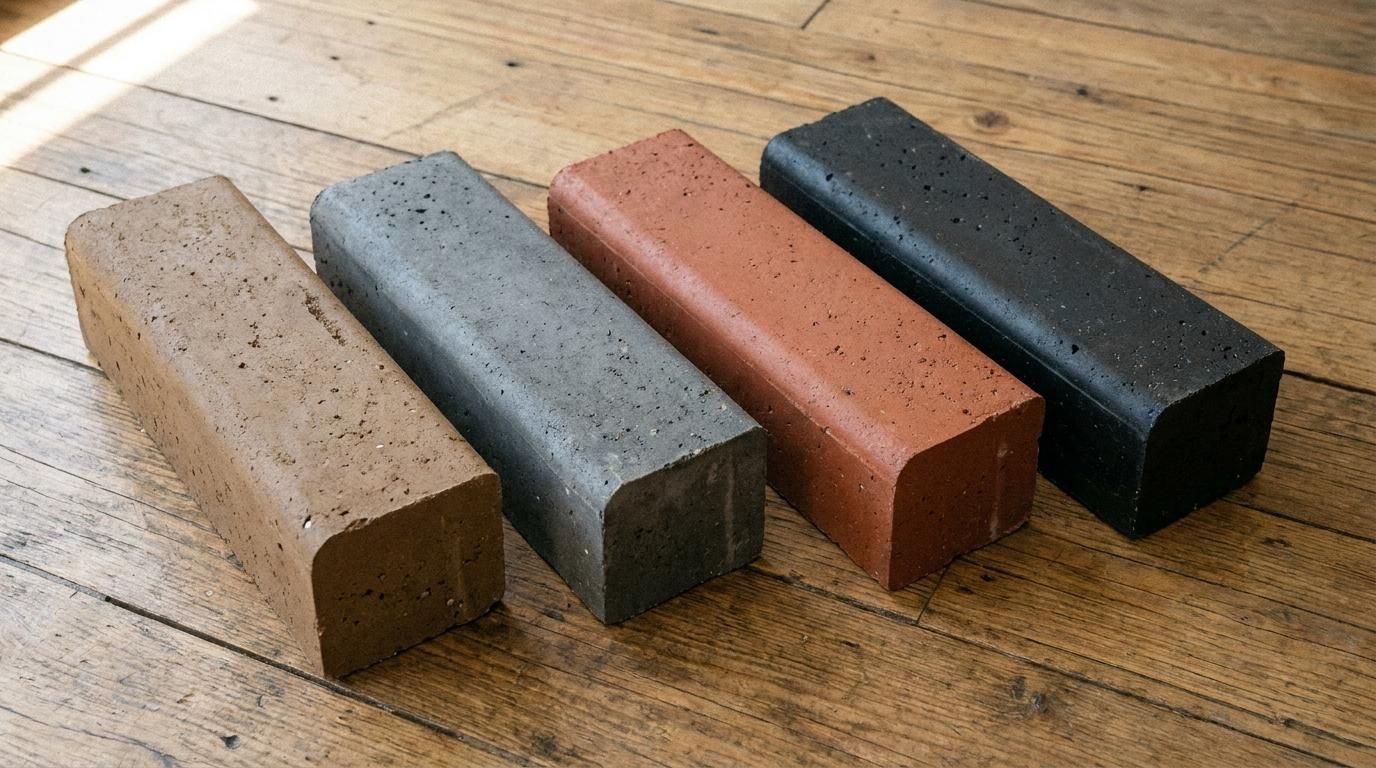
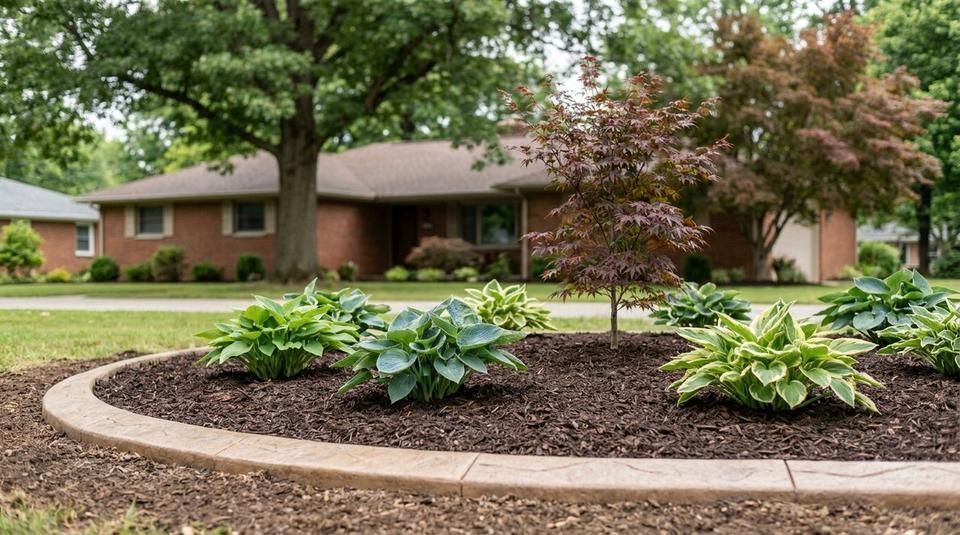
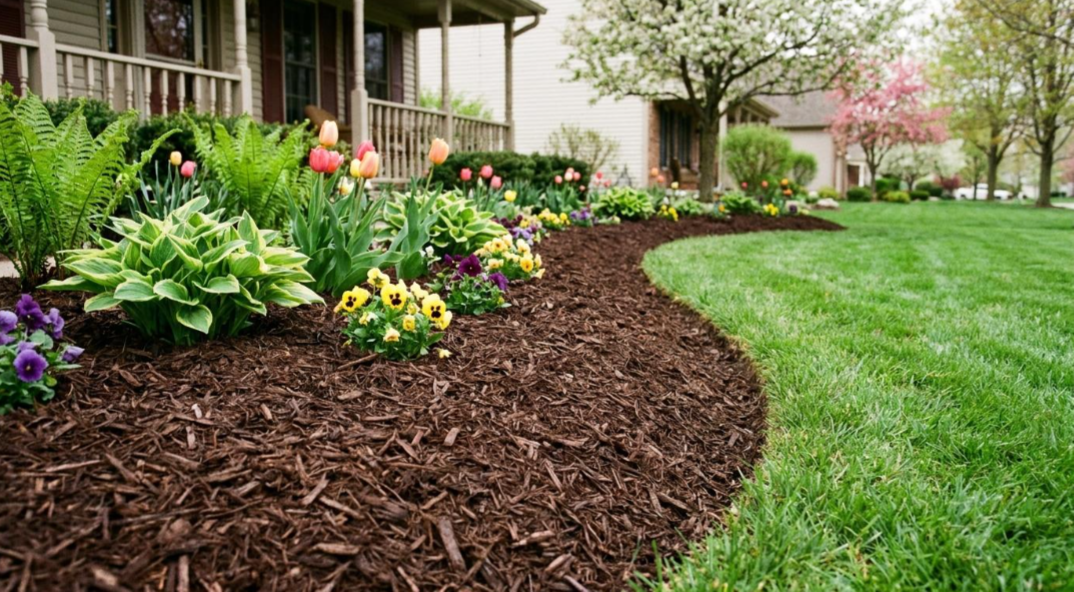
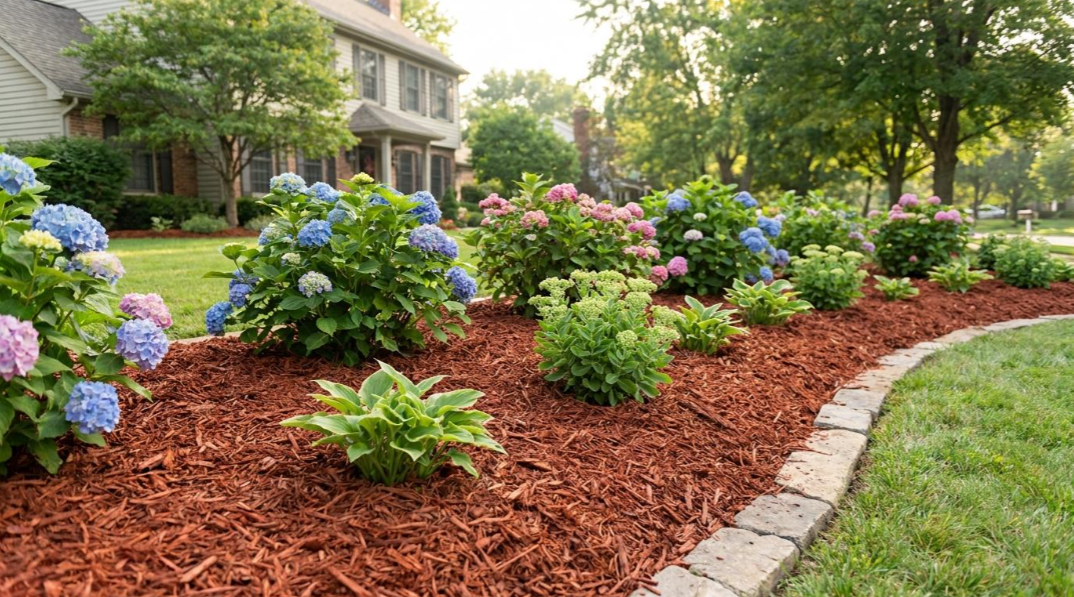
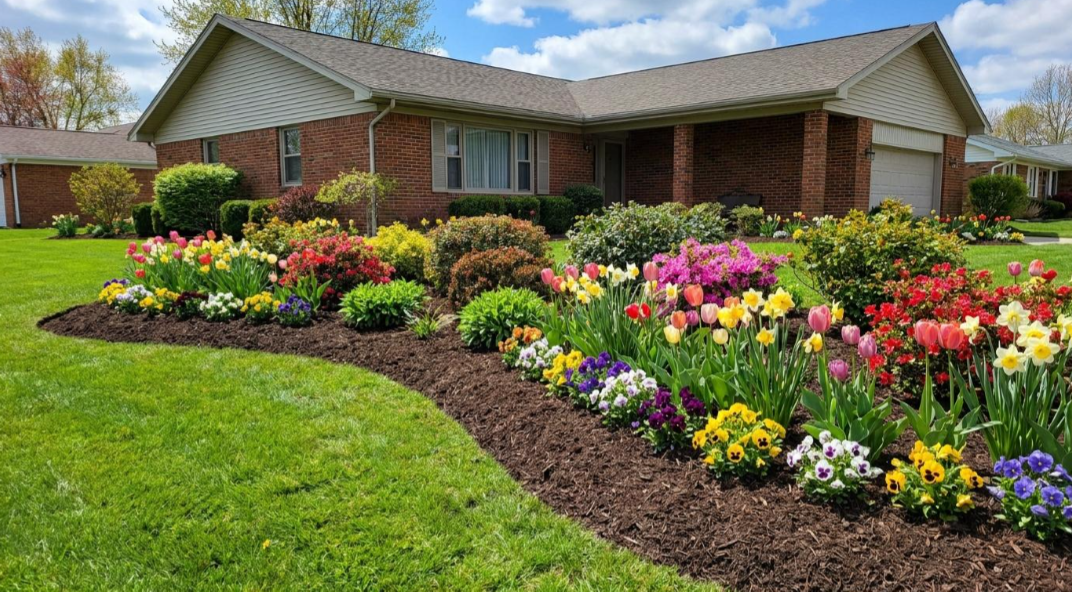
Shredded hardwood is the most popular mulch for flower bed installations in northwest Ohio, and for good reason. It knits together tightly, which keeps it from washing away during heavy spring rains on Toledo's flat terrain. Hardwood mulch breaks down over 12–18 months and adds organic matter to clay-heavy soil as it decomposes, gradually improving drainage and root health. It's available in natural brown, black-dyed, and red-dyed options at most local suppliers. Apply two to three inches deep for the best weed suppression without smothering plant roots.
2. Cedar Mulch
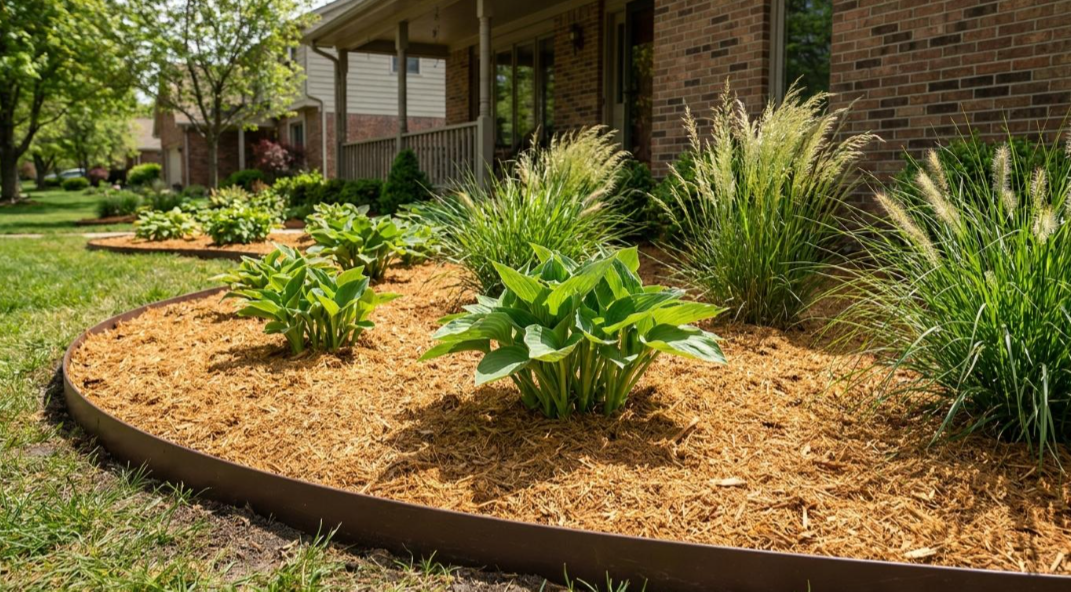
Cedar's natural oils give it a pleasant scent and mild insect-deterrent properties when fresh, though both fade after a few months of Ohio weather. Cedar decomposes slower than hardwood, lasting 18–24 months before needing replacement. The tradeoff is cost: cedar typically runs 20%–30% more per cubic yard than standard hardwood in the Toledo area. It works well in beds where you want longer intervals between refreshes, but its lighter color shows fading and graying sooner in full-sun locations.
3. Cypress Mulch
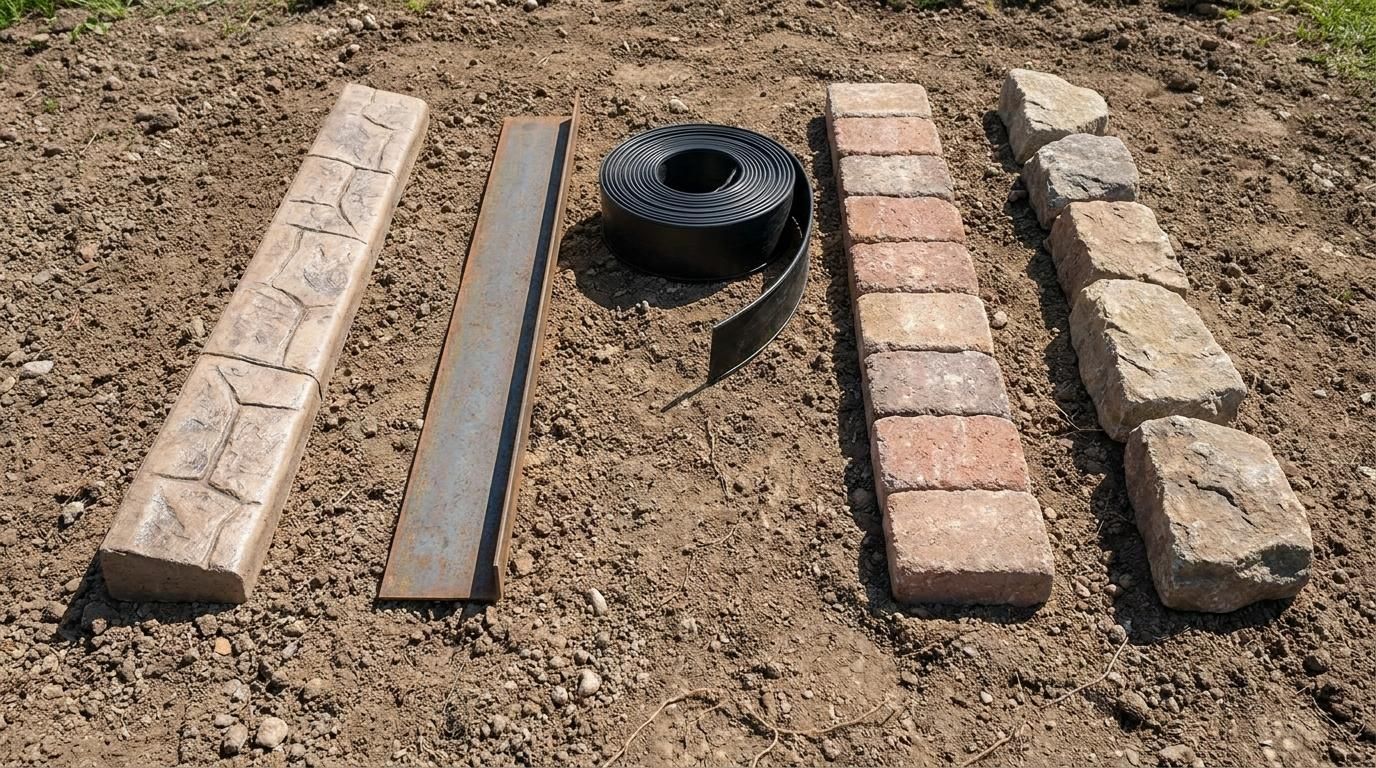
Cypress mulch resists decay and holds its golden-brown color longer than most organic options, making it a solid choice for flower beds that get heavy sun exposure. It's lighter than hardwood, which means it can float in heavy downpours if applied in low-lying beds without edging to hold it in place. Cypress also doesn't add as much organic matter to the soil during decomposition, so beds mulched with cypress long-term may need occasional compost amendments to keep northwest Ohio's clay soil workable.
4. Pine Bark Mulch
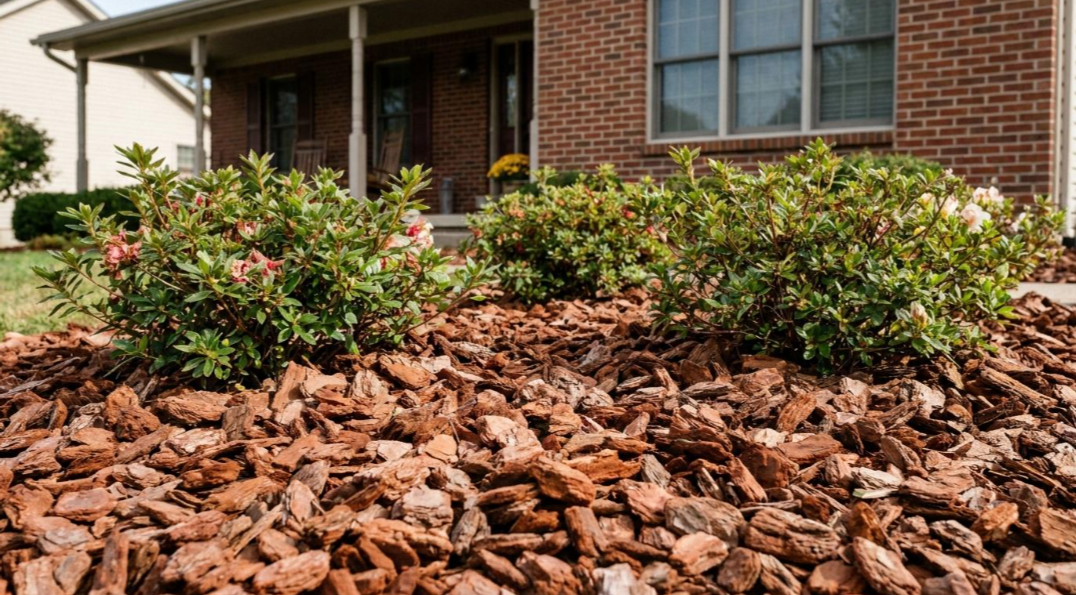
Pine bark comes in nuggets or shredded form and works especially well around acid-loving plants like azaleas, rhododendrons, and blueberries. The nugget form lasts two to three years but doesn't knit together, so it shifts and floats more easily than shredded options during Toledo's spring storms. Shredded pine bark stays put better and costs less per cubic yard. Pine bark's slow decomposition means it won't improve clay soil structure as quickly as hardwood, but it provides excellent moisture retention through Ohio's dry July and August stretches.
5. Rubber Mulch
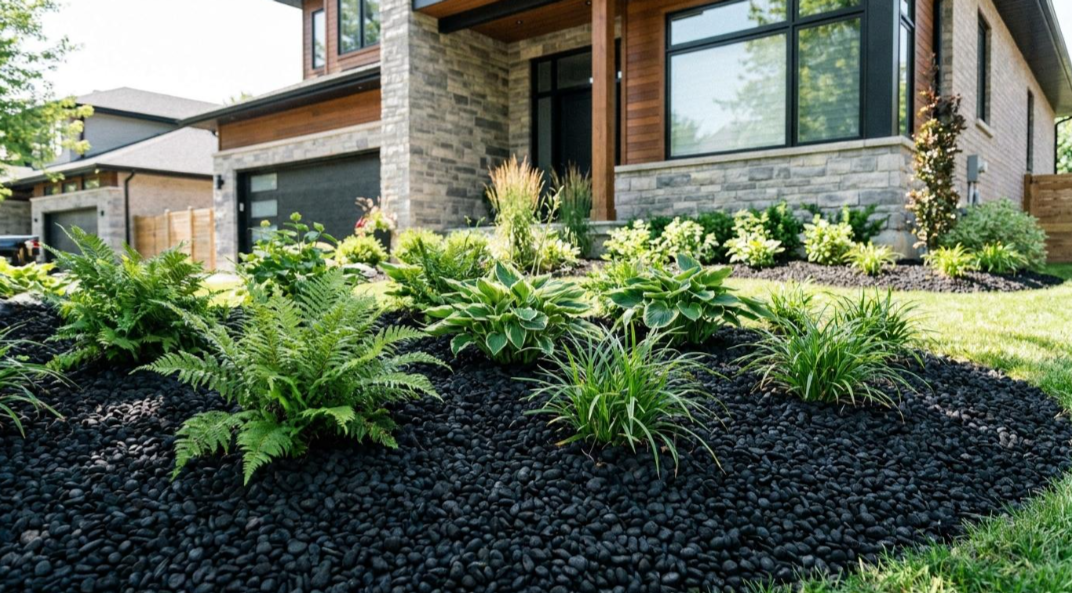
Rubber mulch doesn't decompose, which means it never needs annual replacement. That longevity comes with tradeoffs: it doesn't improve soil health, retains more heat in summer than organic options, and costs two to three times more upfront than hardwood. Rubber works best in beds where low maintenance is the priority and soil amendment isn't a concern. It's also heavier than organic mulch, so it stays in place during storms without edging.
Frequently Asked Questions
How deep should mulch be in flower beds?
Two to three inches is the ideal depth for most flower bed mulch in northwest Ohio. Less than two inches won't suppress weeds effectively, and more than four inches can trap excess moisture against plant stems and promote rot. Stuckey's Curb & Landscape applies mulch at the correct depth during every installation to avoid these problems.
Should you put landscape fabric under mulch in flower beds?
Landscape fabric works under rock or rubber mulch but creates problems under organic mulch over time. As hardwood, cedar, or pine bark decomposes, the decaying layer sits on top of the fabric and becomes a weed-growing medium itself. For organic mulch beds in Toledo-area yards, skip the fabric and rely on proper mulch depth for weed control.
When is the best time to mulch flower beds in Ohio?
Late April through mid-May is the ideal mulching window in northwest Ohio. The soil has warmed enough for spring plantings, and fresh mulch locks in moisture before summer heat arrives. Fall touch-ups in October help insulate perennial roots before the first hard freeze, which typically hits the Toledo area in late November.
Mulch Smarter for Better Flower Beds

Hardwood mulch is the best all-around choice for most Toledo-area flower beds because it stays in place, feeds the soil, and handles Ohio's weather extremes. Cedar and cypress offer longer life spans at a higher price point. Pine bark suits acid-loving plants, and rubber works where zero maintenance outweighs soil's health benefits.
Get a free estimate from Stuckey's Curb & Landscape for professional mulch installation on your northwest Ohio property. Call (419) 356 3648 today.