7 Best Landscape Edging Options for Ohio Yards & Gardens
The best landscape edging for Ohio yards is decorative concrete curbing for permanent, low-maintenance borders, followed by steel, stone, brick, plastic, trench edging, and rubber. Each handles northwest Ohio's freeze-thaw cycles and clay soil differently.
After years of installing decorative concrete curbing across northwest Ohio, we've watched plastic buckle after two winters, steel rust at ground level, and brick shift on poorly compacted clay. The right edging for your yard depends on your budget, style, and how much annual maintenance you're willing to do.
Here's how the seven top options stack up.
1. Decorative Concrete Curbing
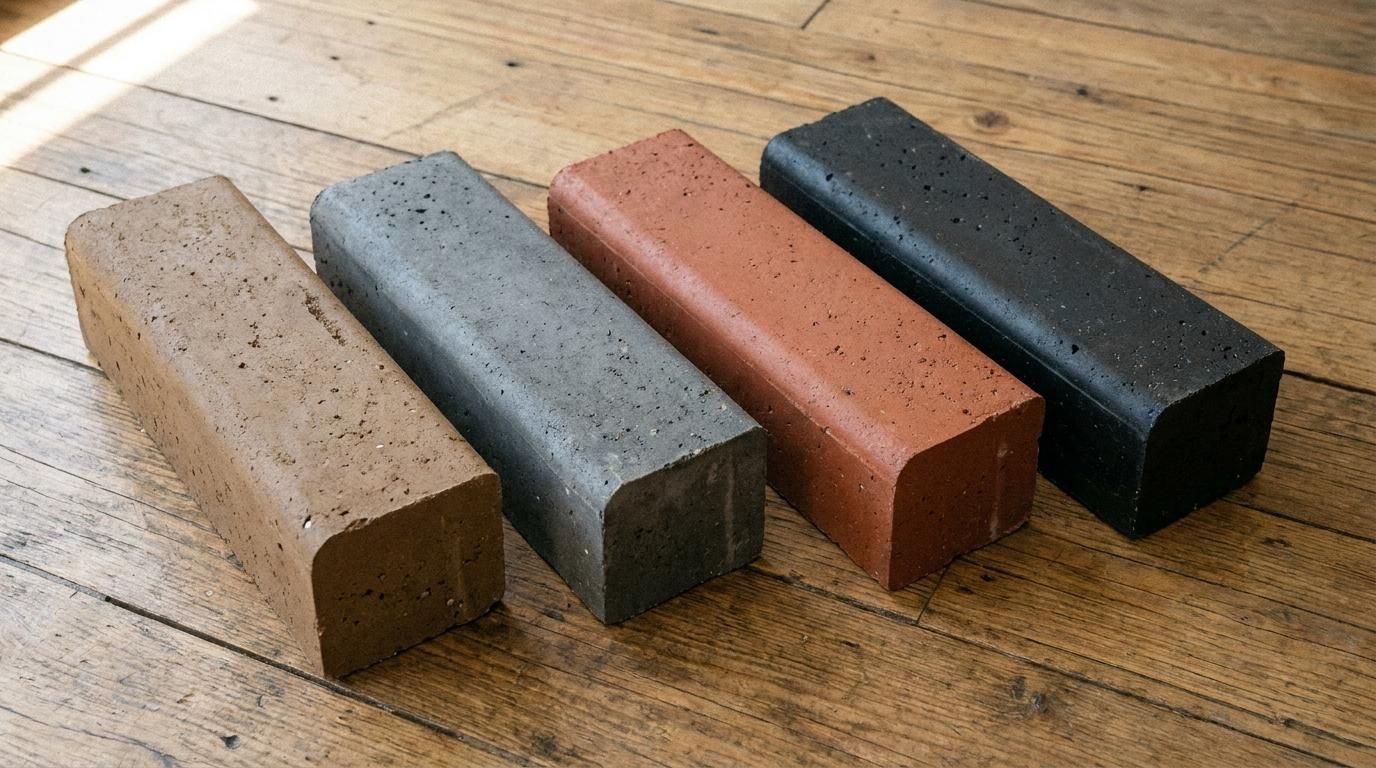
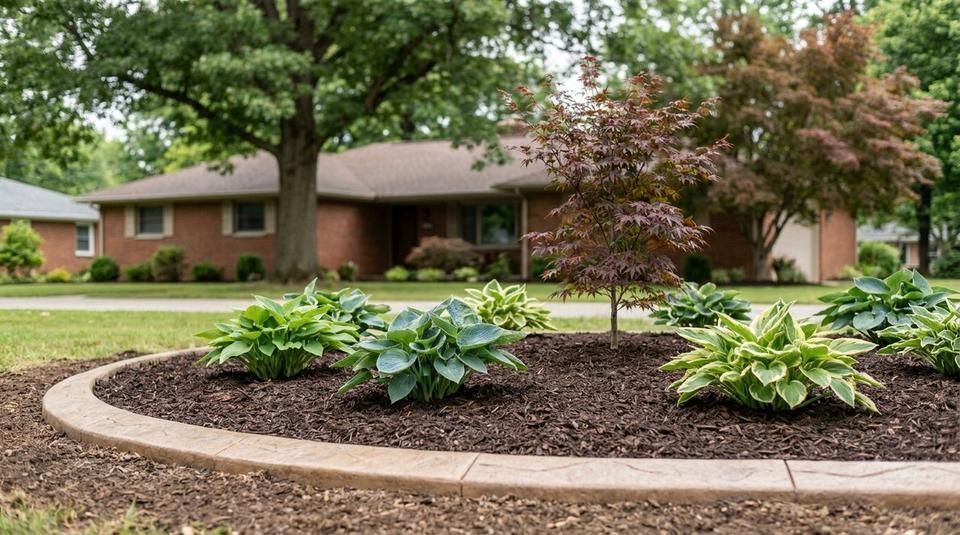
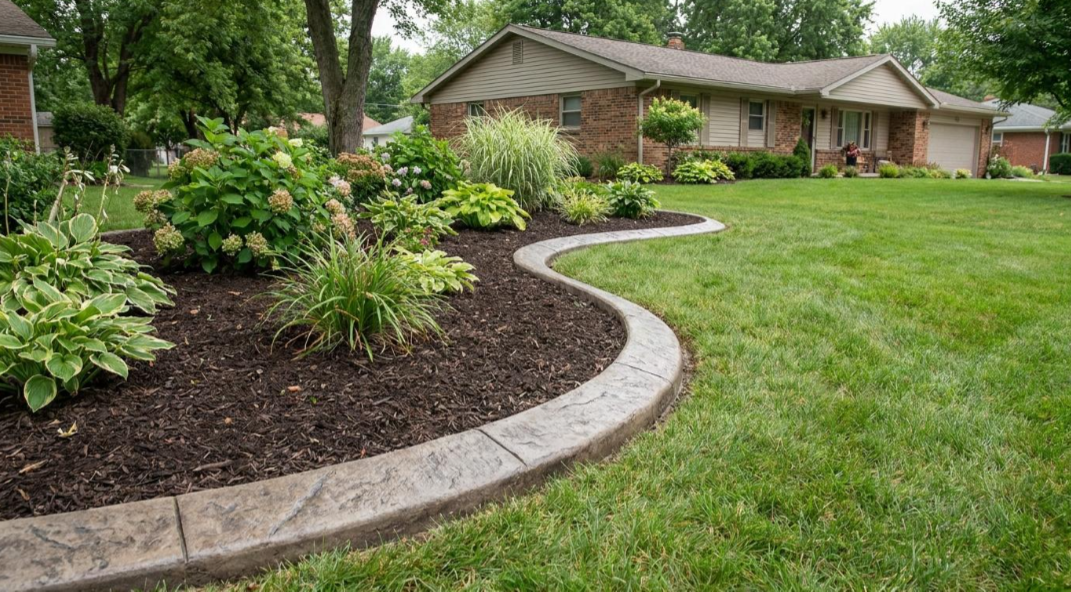
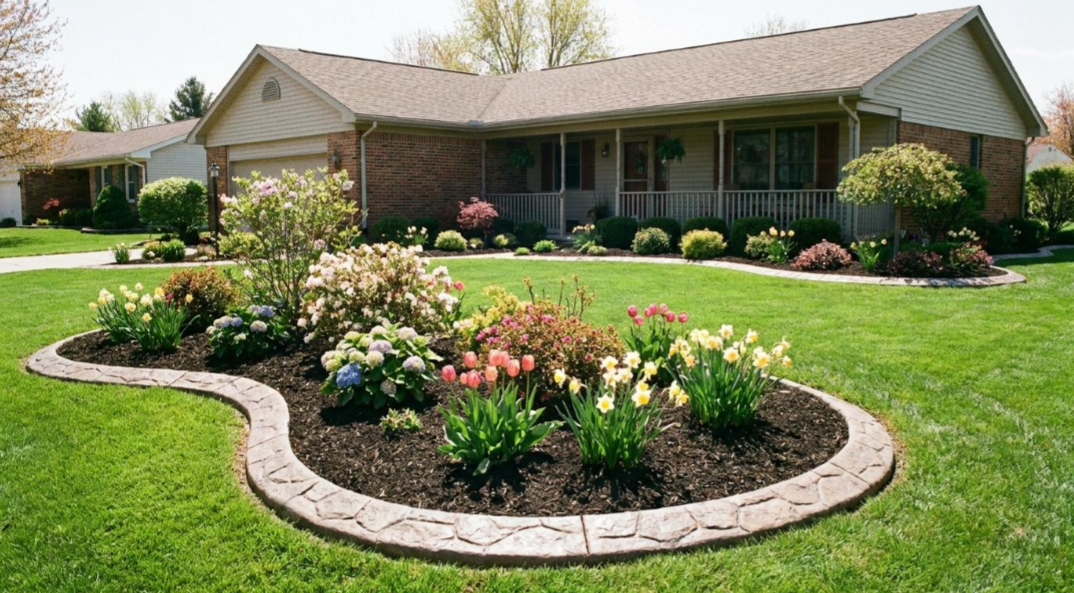
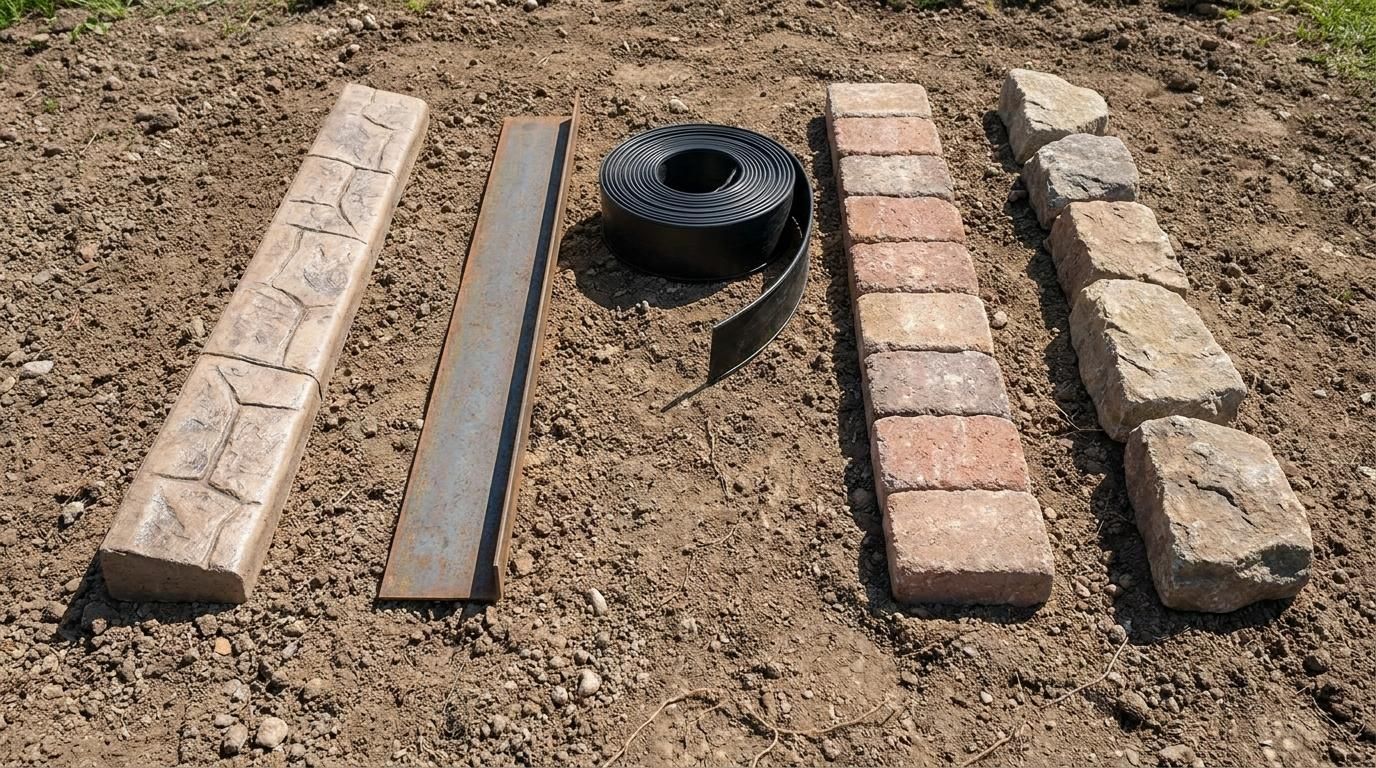
Poured-in-place decorative concrete curbing is a single continuous border with no joints for frost to exploit. It locks mulch and stone in place, eliminates re-edging, and comes in various textures, profiles, and colors. Concrete curbing handles Ohio's freeze-thaw cycles better than segmented options because there are no gaps for water to expand. The upfront cost runs higher than plastic or steel, but zero replacement cycles typically make it the lowest total cost over a decade.
2. Steel Edging
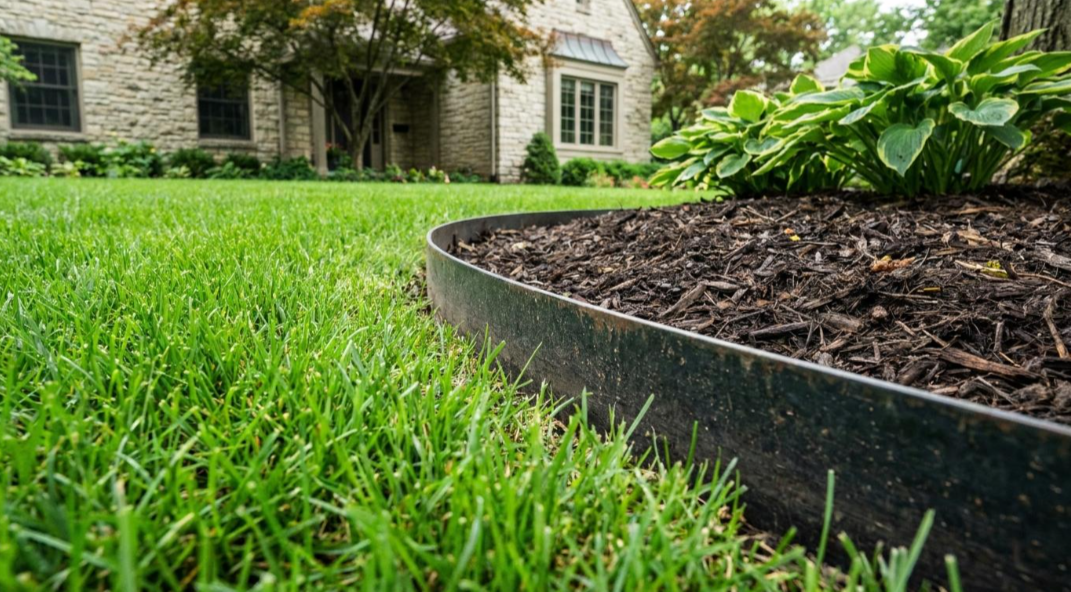
Steel creates the sharpest line between lawn and bed. Professional-grade steel (14-gauge or thicker) typically lasts 15–20 years, while thinner residential steel often rusts through in three to five years at the soil line. Steel handles straight runs and gentle curves well but kinks on tight bends. It also conducts cold, which can stress adjacent plant roots during hard freezes.
3. Plastic Edging
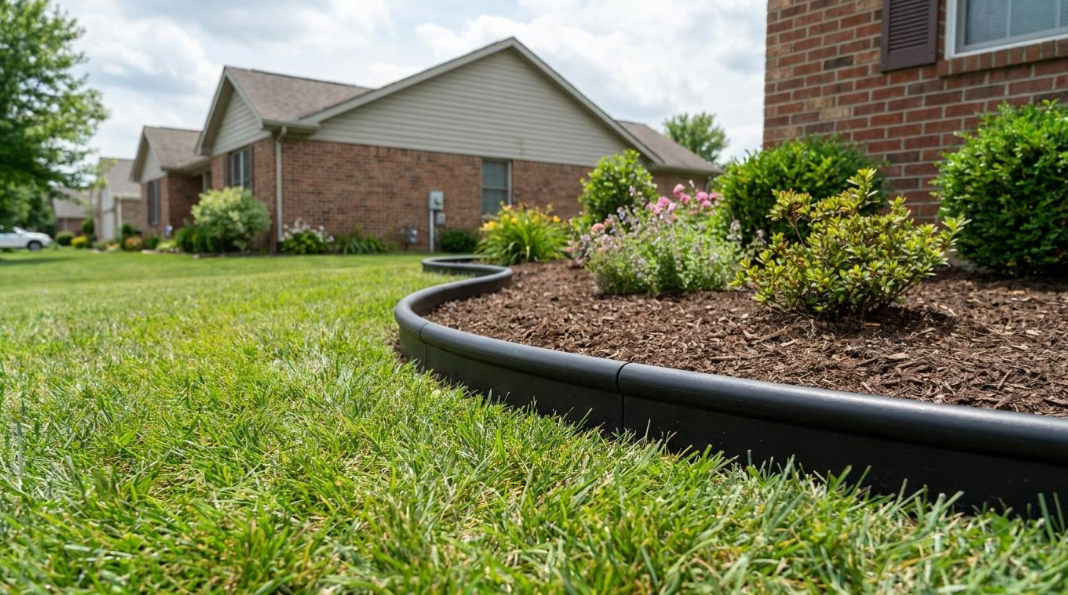
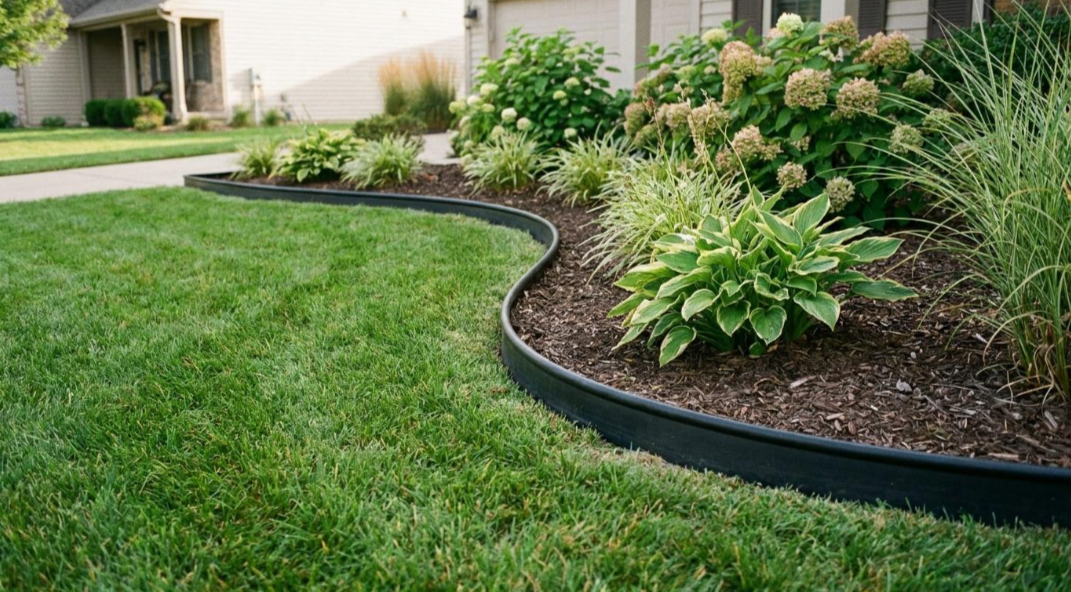
Plastic is the least expensive option at $1–$3 per linear foot installed, but Toledo's freeze-thaw cycles crack standard plastic within two to three winters. UV exposure makes it brittle over time. Commercial-grade polyethylene holds up better than thin retail rolls, though even premium plastic rarely lasts beyond five to seven years before sections need replacing.
4. Natural Stone Edging
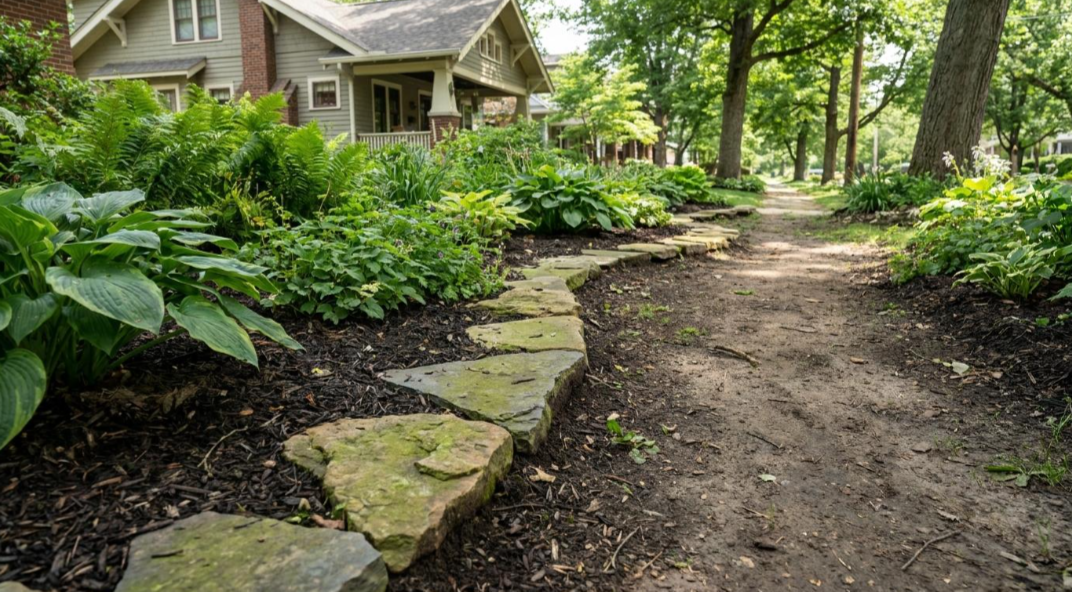
Flagstone, limestone, and fieldstone create an organic look that suits naturalistic garden designs. Stone won't degrade from UV or frost. The challenge in northwest Ohio is clay soil: individual stones shift and settle unevenly as clay expands and contracts each season. Without a compacted gravel base, stone edging needs releveling every two to three years.
5. Brick Edging
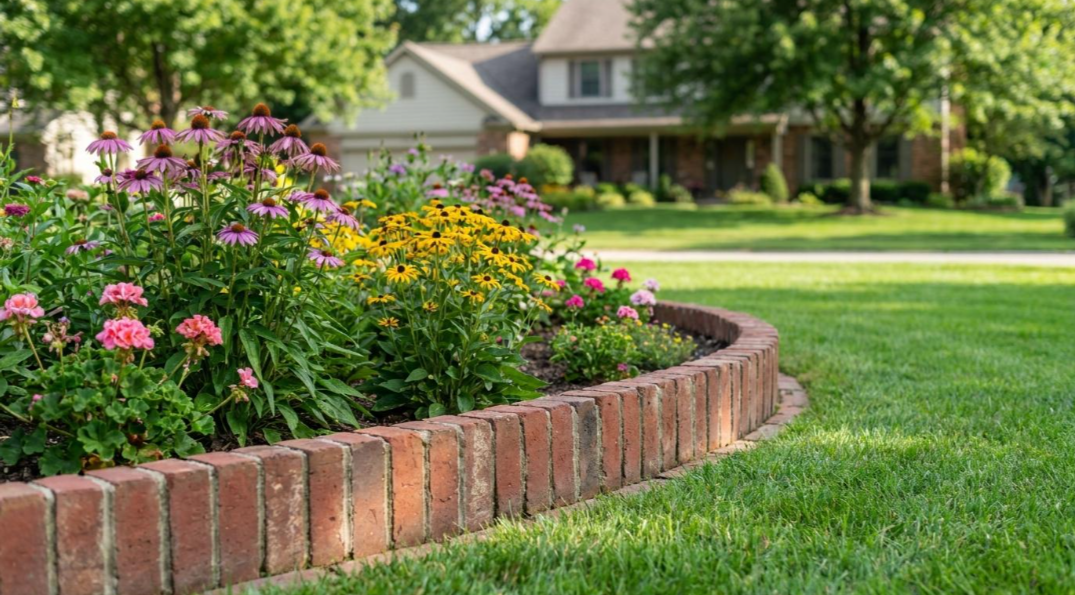
Brick in a soldier course creates a classic border for traditional Ohio home styles. Standard clay bricks absorb water, and repeated freeze-thaw cycles often cause spalling within five to eight years. Concrete pavers shaped like brick last longer because they're denser. Like stone, brick requires a compacted gravel base on clay soil to prevent seasonal shifting.
6. Trench (Spade-Cut) Edging
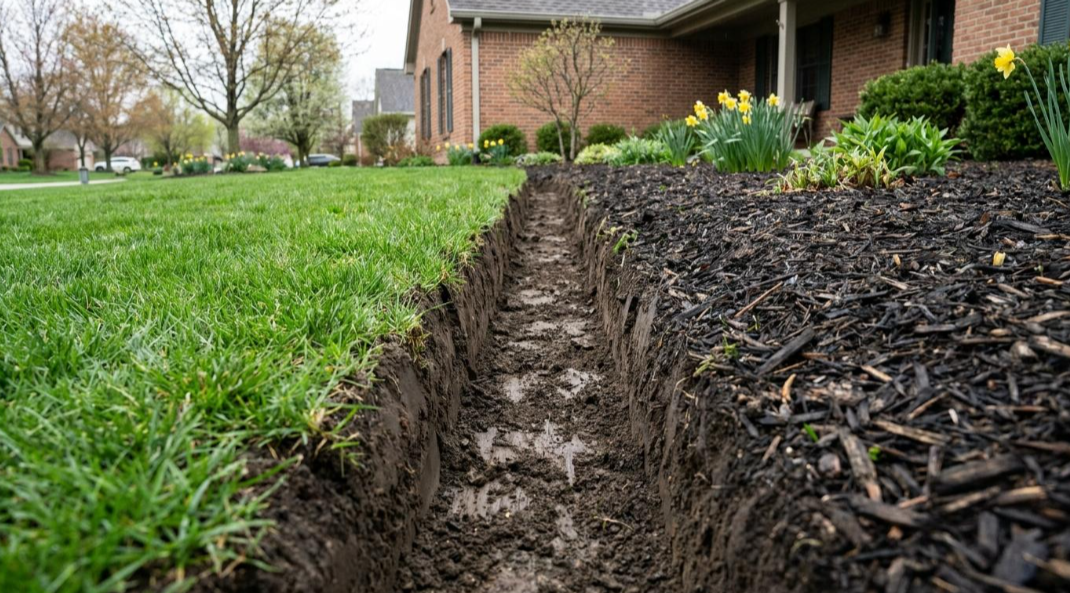
Trench edging uses no materials. A sharp spade cuts a V-shaped channel between lawn and bed, creating a clean shadow line at zero material cost. The downside is maintenance: northwest Ohio's aggressive grass runners fill in trench edges within four to six weeks during peak season, requiring re-cutting multiple times each summer.
7. Rubber Edging
Recycled rubber edging flexes with ground movement, making it more frost-heave resistant than rigid plastic. It won't crack, rust, or rot, and costs $2–$5 per linear foot with a typical lifespan of 10–15 years. The main drawback is appearance: rubber lacks the refined look of concrete, steel, or stone.
Frequently Asked Questions
What is the most durable landscape edging?
Decorative concrete curbing is the most durable option for Ohio yards because it's poured as one continuous piece with no joints for frost to exploit. Stuckey's Curb & Landscape installs concrete curbing built to handle northwest Ohio's freeze-thaw cycles without cracking, shifting, or requiring seasonal repairs.
Is concrete curbing worth the higher upfront cost?
Over ten years, concrete curbing typically costs less than plastic because plastic needs replacing two to three times in that period. Concrete also locks mulch in place and cuts annual landscape maintenance time, which offsets the initial investment for most Toledo-area homeowners.
What is the cheapest way to edge a garden bed?
Trench edging costs nothing in materials since you're cutting a channel with a spade. Plastic edging is the cheapest material at $1–$3 per linear foot. Both require ongoing upkeep in northwest Ohio: trenches need re-cutting every four to six weeks in summer, and plastic cracks after two to three freeze-thaw cycles.
Invest in Edges That Last

The right edging depends on whether you prioritize upfront savings or long-term durability. Concrete curbing delivers the lowest maintenance and longest lifespan in Ohio's climate. Steel and stone suit specific design goals. Plastic and trench edging work as budget solutions, but plan for regular replacement as seasons cycle through.
Get a free estimate from Stuckey's Curb & Landscape for decorative concrete curbing on your northwest Ohio property. Call (419) 356 3648 today.