Mulch vs Rock for Landscaping: Cost, Maintenance, and Curb Appeal Compared

Nate Stuckey • January 13, 2026

When it comes to finishing your landscape beds, the choice between mulch and rock is a common dilemma for homeowners. Both options offer distinct advantages and can significantly impact your property's overall look, maintenance routine, and budget. 


As Toledo, Ohio's landscaping experts, Stuckeys Curb & Landscape has worked extensively with both materials. To help you make an informed decision, we've broken down their key differences in cost, maintenance, and curb appeal.


The Great Debate: Aesthetics and Curb Appeal

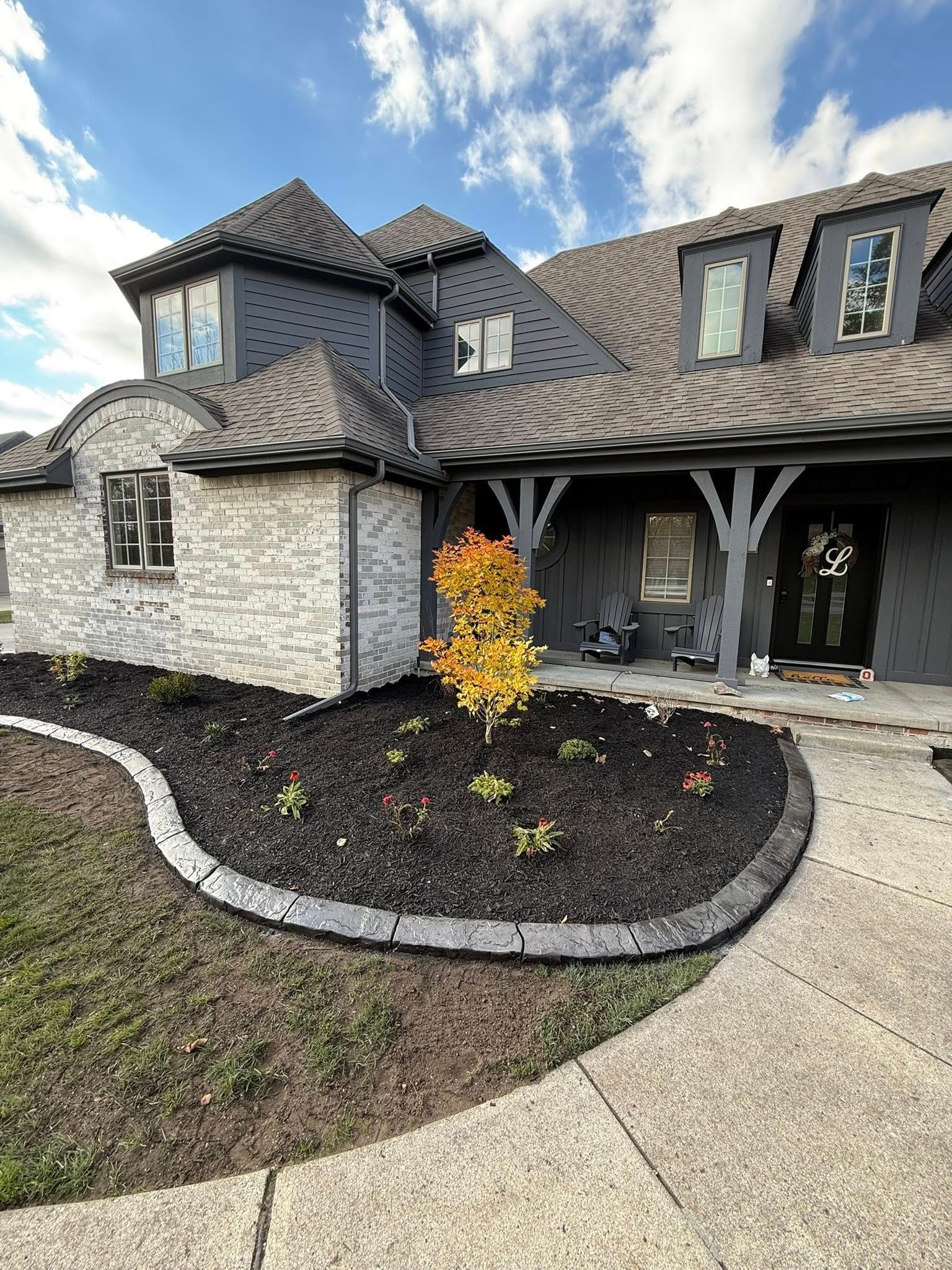
A stone-front house with dark grey roofing and siding, a covered porch, and a landscaped bed with a central autumn tree.

The visual style you want to achieve is a primary consideration. Mulch and rock create distinct aesthetics that complement various home and garden designs.


Mulch: Natural, Traditional, and Garden-Friendly

Organic mulches, such as shredded hardwood or bark, provide a soft, natural, and traditional look. This classic appearance is often preferred for its ability to create a rich, dark backdrop that makes plants and flowers stand out. 

Mulch decomposes over time, adding valuable nutrients to the soil while supporting healthier plants. It's an excellent choice if you want a lush, classic garden that feels integrated and organic. 


Rock: Modern, Structured, and Permanently Polished

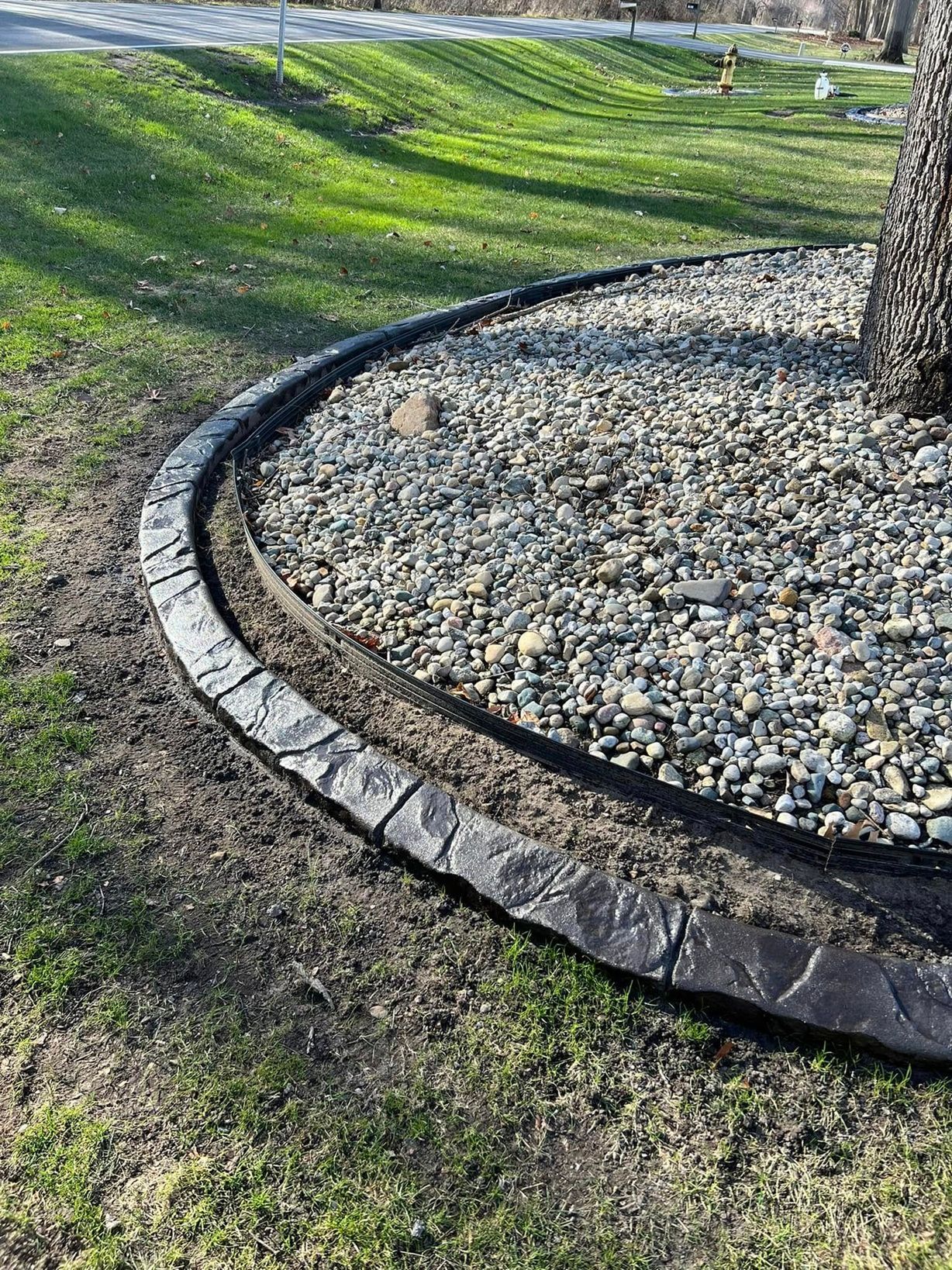
Landscaping rocks, including river rock, limestone, or lava rock, offer a more permanent, structured, and modern appearance. They come in a variety of colors, sizes, and textures, enabling a more customized, durable design. Rock is perfect for creating clean lines and a polished finish, and it stands up well in contemporary, minimalist, or xeriscape designs. When paired with our specialty, concrete curbing, rock can create a sharp, sophisticated edge that truly defines your outdoor space.


For cohesive designs that incorporate mulch or rock, explore our landscaping services.


Comparing Long-Term Maintenance

A curved concrete landscape border edges a circular garden bed filled with grey stones around a tree base in a lawn.

Your willingness to perform ongoing maintenance is a critical factor in the mulch vs. rock decision, especially given Ohio's distinct seasons.


Mulch: Annual Refresh Required 

Because it is an organic material, mulch decomposes and needs to be replenished annually to maintain its color and depth. This yearly reapplication can be a significant long-term commitment. While mulch's moisture-retaining properties benefit plants, they can attract pests and promote fungal growth if the mulch is over-applied or piled against your home's foundation. Weeds can also be an issue, although a thick layer of mulch is an effective suppressant when maintained at proper depth.

Rock: Low-Maintenance and Long-Lasting

Rock is generally considered the lowest-maintenance option for landscaping. It’s a long-term installation that does not decompose, fade quickly, or need regular replacement. It’s less inviting to pests and can help reduce weed growth from below, especially when installed with a high-quality landscape fabric underneath. 


For busy homeowners in the Toledo area who prefer a "set it and forget it" approach, rock is an ideal solution. It's a durable choice that pairs perfectly with our long-lasting curbing.


The region’s freeze-thaw cycles, spring rainfall, and clay-heavy soils can influence material performance. Proper drainage, edging, and base preparation are critical for preventing mulch from washing out or rock from shifting, making professional installation especially important in Northwest Ohio landscapes.


Analyzing the Cost: Upfront vs. Lifetime

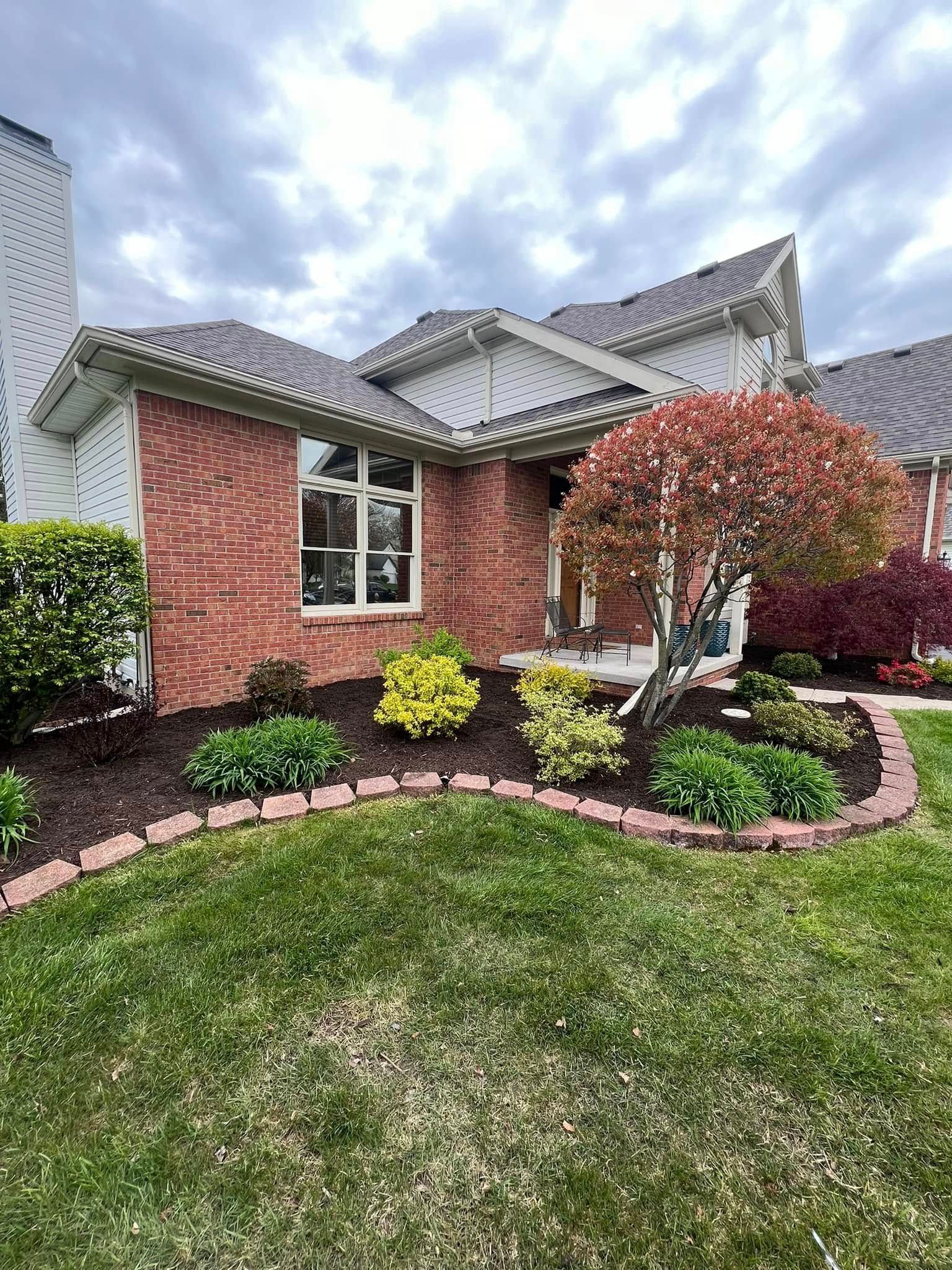
A single-story red brick house with a dark shingled roof, landscaping, and a trimmed round tree under a cloudy sky.

Budget is often the deciding factor. It's essential to consider both the initial investment and the long-term costs associated with each material.


Mulch: Lower Upfront Cost With Recurring Expenses

The upfront cost of mulch is significantly lower than that of rock. This makes it an attractive option for homeowners with a tighter initial budget or those landscaping a large area. However, the cost is recurring, as you will need to purchase and apply new mulch every one to two years. Over a decade, these repeated costs can add up, equalling or even exceeding the initial cost of a rock installation.


Rock: Higher Initial Investment, Minimal Long-Term Costs

The initial investment for landscape rock is considerably higher. The material itself is more expensive, and the installation process is more labor-intensive. However, because it’s a long-term solution, the ongoing cost is minimal. After the initial installation, you won't have the recurring expense of replacement. This makes rock a cost-effective choice over the life of your landscape.


Stuckeys Curb & Landscape: Make the Right Choice for Your Ohio Home

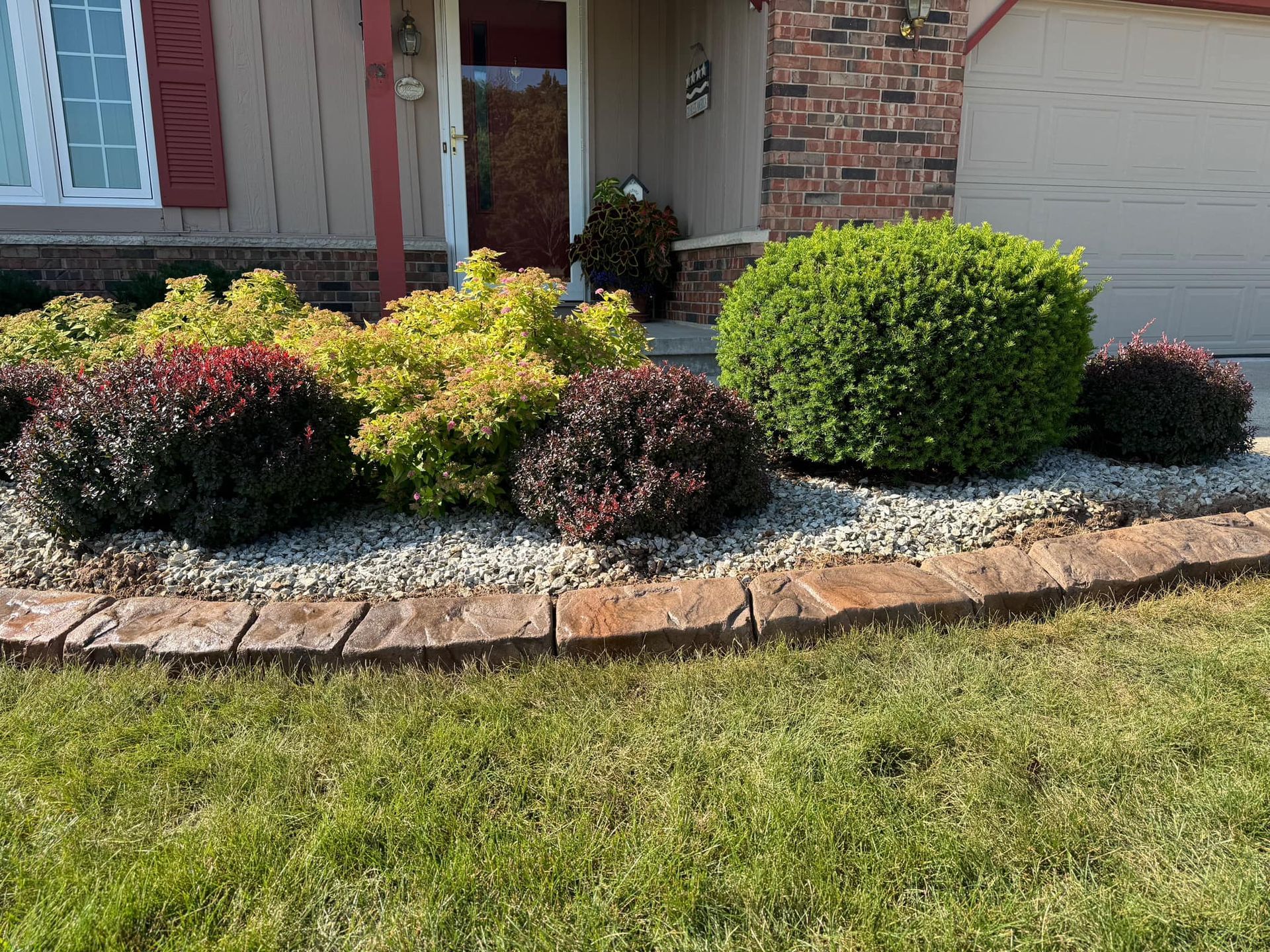
Landscaped garden bed with colorful shrubs and stone edging in front of a house with a brick exterior.

Ultimately, the best choice depends on your priorities. If you love the classic look of a traditional garden and don't mind the annual upkeep, mulch is a fantastic, budget-friendly option. If you prioritize low maintenance and a modern aesthetic and are willing to make a larger upfront investment, rock is an excellent long-term solution. 


Homeowners should also consider drainage patterns, sun exposure, and plant types, as these factors directly affect material longevity and landscape performance.


Stuckeys Curb & Landscape is passionate about creating beautiful, functional outdoor spaces that our clients love. Learn more about us and our dedication to quality. Whether you choose mulch or rock, our team can help you design and install the perfect landscape. Contact us today for a free consultation and estimate.

Kentucky bluegrass close up
By Nate Stuckey May 29, 2026
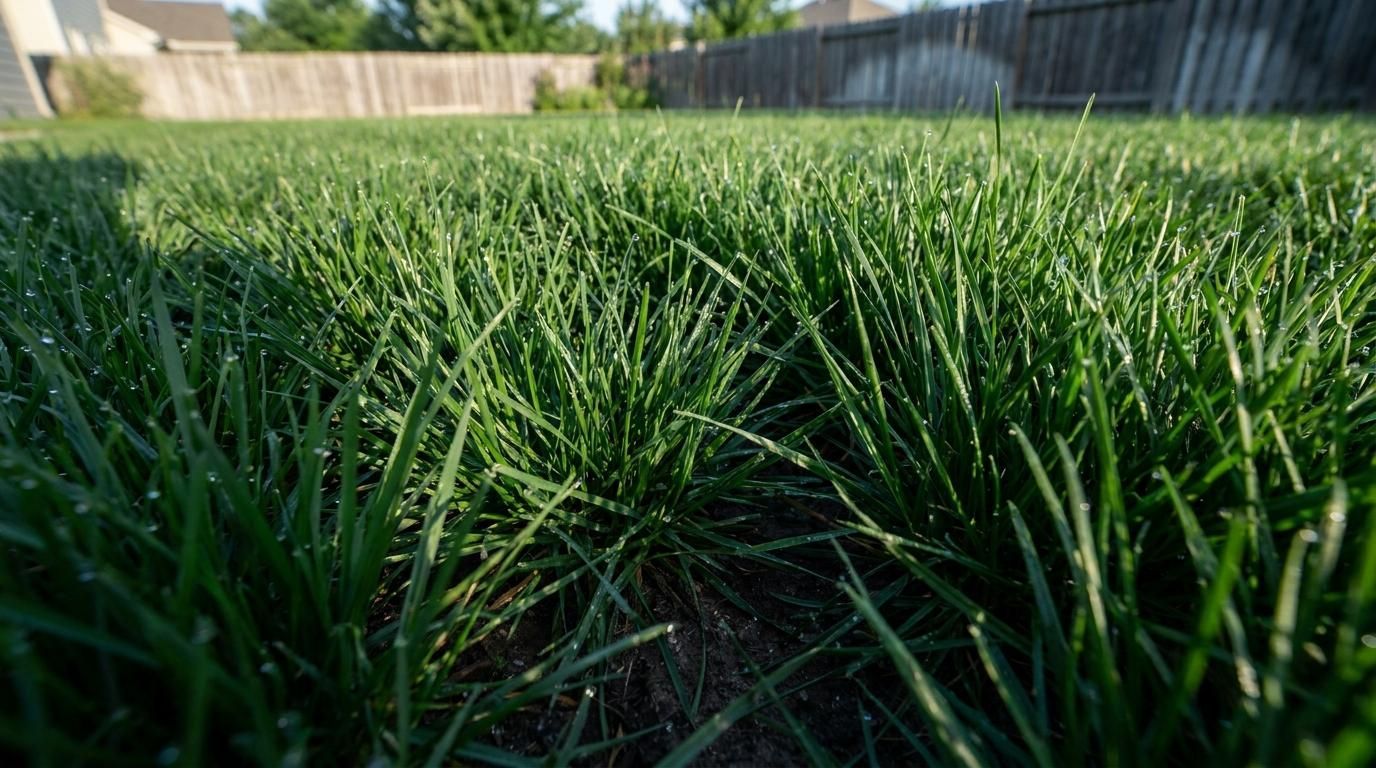
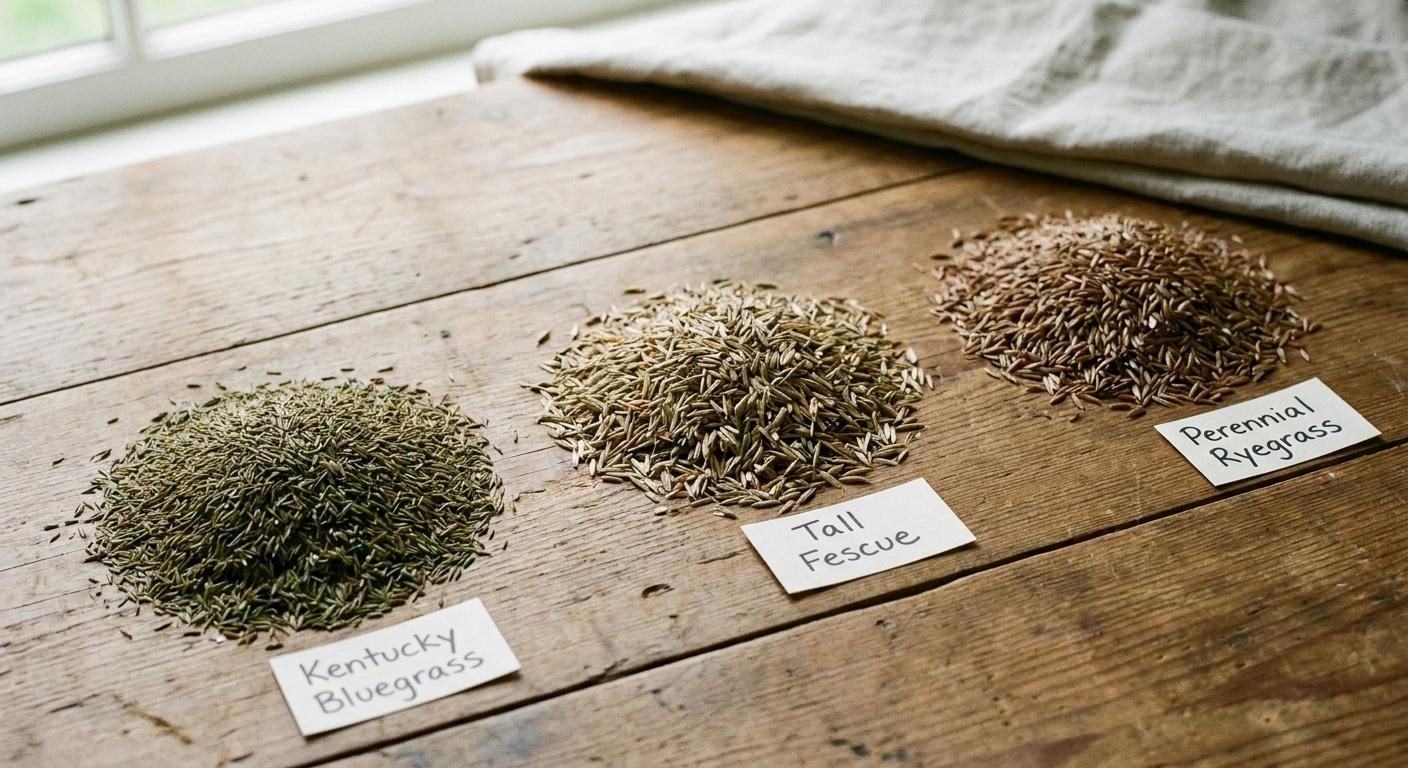
Discover the best grass seed for Ohio lawns. Weigh Kentucky bluegrass, tall fescue, perennial ryegrass, and the right blends for sun, shade, and high traffic.
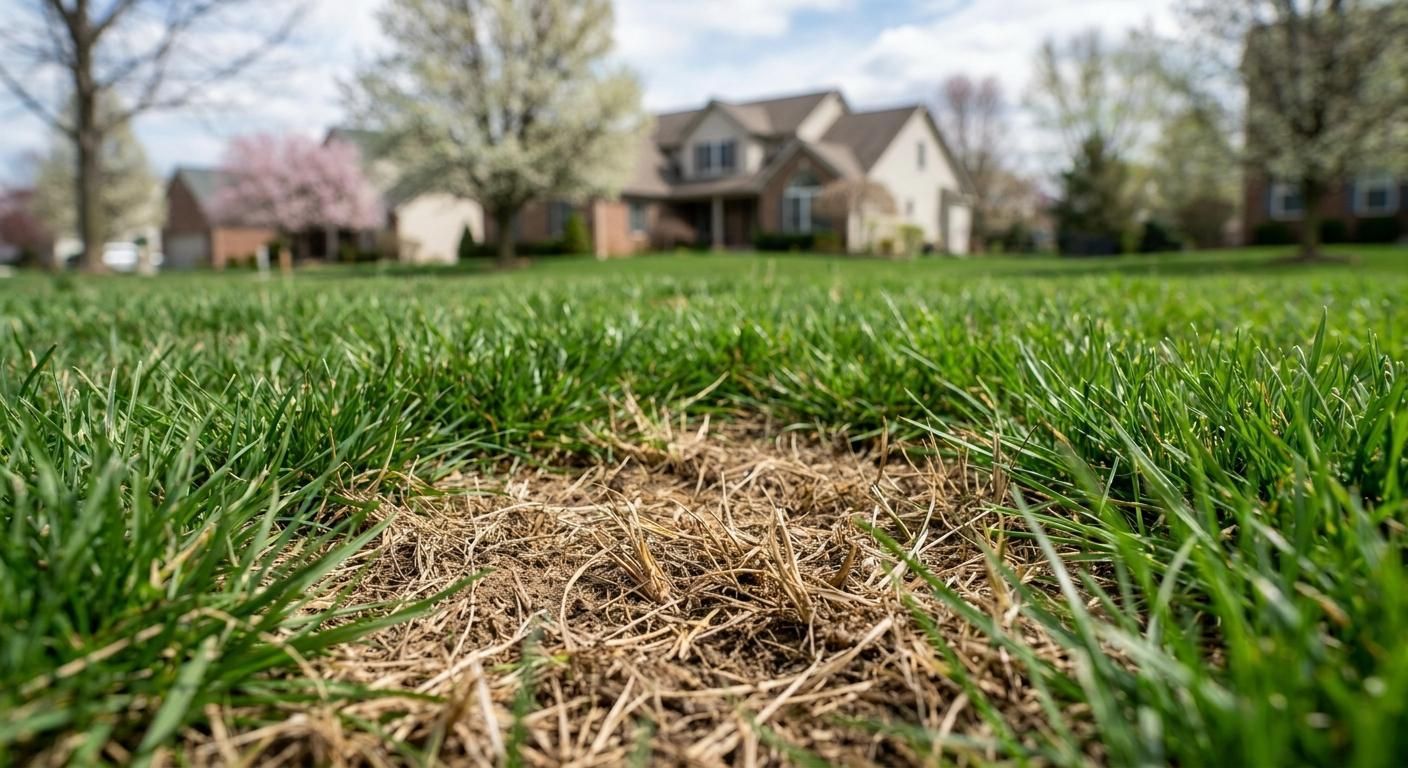
Common causes of bare spots in Ohio lawns
By Nate Stuckey May 25, 2026
Learn how to fix bare spots on your lawn step by step. Stuckey’s discusses the causes, soil prep, seeding, watering, and when to call a pro in northwest Ohio.
Decorative concrete curbing flower bed edging
By Nate Stuckey May 21, 2026
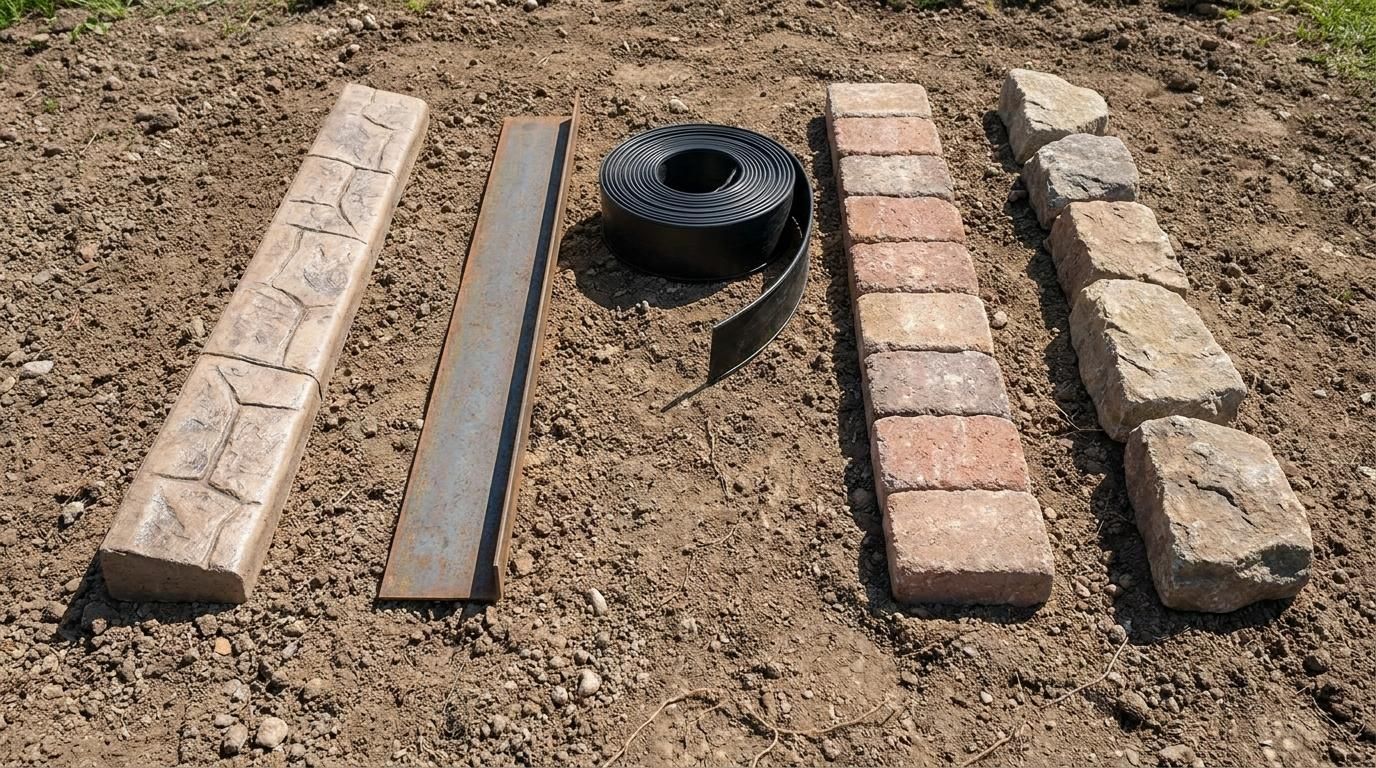
Explore 6 flower bed edging ideas compared by cost, lifespan, and maintenance. Consider concrete curbing, stone, brick, steel, rubber, & natural edges in Ohio.
Average bush trimming cost in northwest Ohio
By Nate Stuckey May 18, 2026
Learn the Bush Trimming Cost in Ohio for 2026, including per-bush rates, hourly pricing, what affects the price, & when to schedule trimming in northwest Ohio.
What thatch is and why it builds up
By Nate Stuckey May 15, 2026
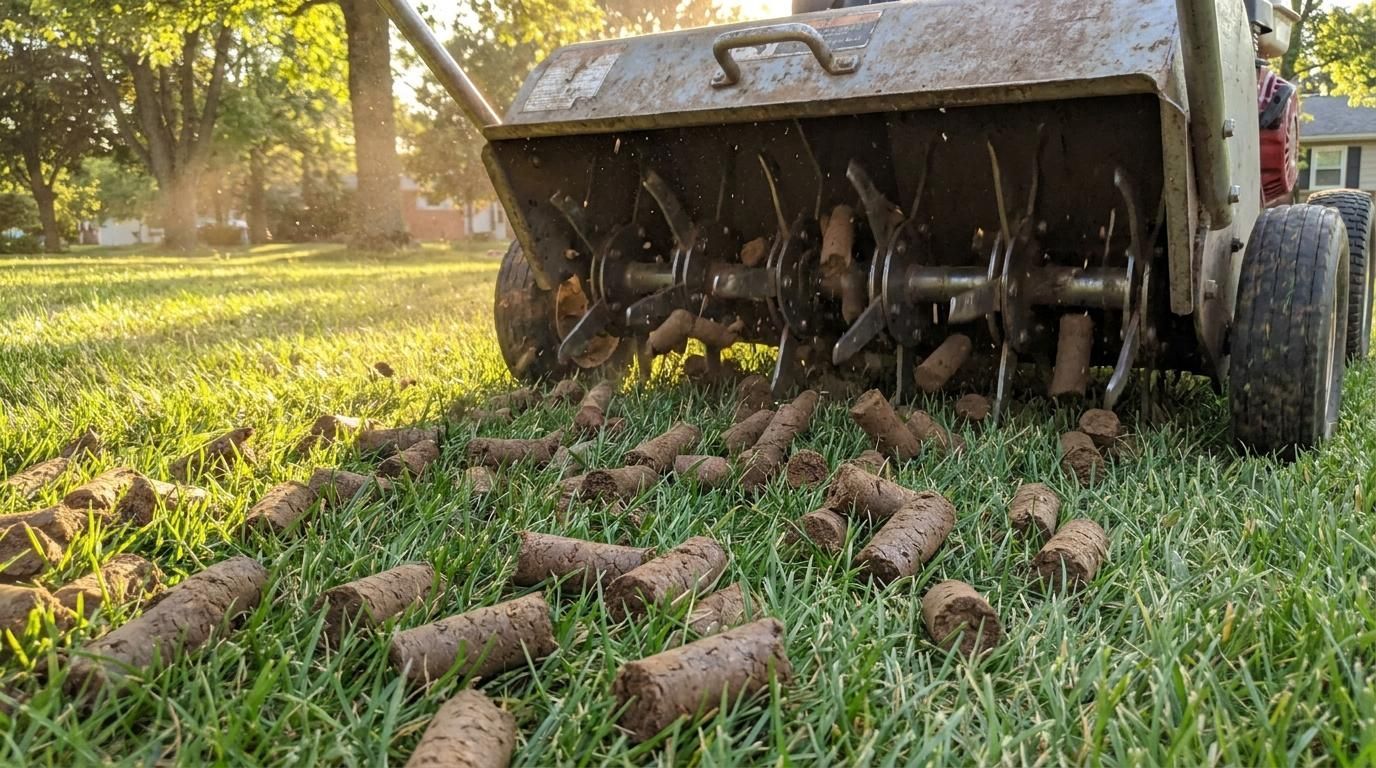
Learn what lawn dethatching is, why Toledo lawns need it once thatch passes half an inch, and the best time to schedule it for fast recovery in northwest Ohio.
What mulch costs before delivery in Toledo
By Nate Stuckey May 10, 2026
See the mulch delivery cost in Toledo for 2026, including the pricing by mulch type, delivery fees, bulk vs. bagged comparison, and estimating your total.
The one-third rule every Ohio lawn needs
By Nate Stuckey May 6, 2026
Find out how often to mow your lawn in northwest Ohio by season. Covers spring, summer, & fall mowing frequency, the one-third rule, and ideal cutting heights.
Pruning spring-blooming shrubs right after flowering
By Nate Stuckey May 2, 2026
Learn when to trim bushes and shrubs in Ohio by plant species. Get Stuckey’s seasonal pruning calendar for boxwood, hydrangea, lilac, and more.
Single-story house with a manicured lawn and curved flower bed in front
By Nate Stuckey April 29, 2026
Compare 7 landscape edging options for Ohio yards: concrete curbing, steel, plastic, stone, brick, trench, and rubber. Ranked by durability, cost, and style.
Mulched garden bed with colorful flowers along a curved lawn beside a house
By Nate Stuckey April 21, 2026
Compare the 5 best mulch types for NW Ohio flower beds: hardwood, cedar, cypress, pine bark, and rubber. Local pros, cons, and pricing for Toledo-area yards.
Show More