How Often Should You Mow Your Lawn? A Northwest Ohio Homeowner’s Guide

Nate Stuckey • May 6, 2026

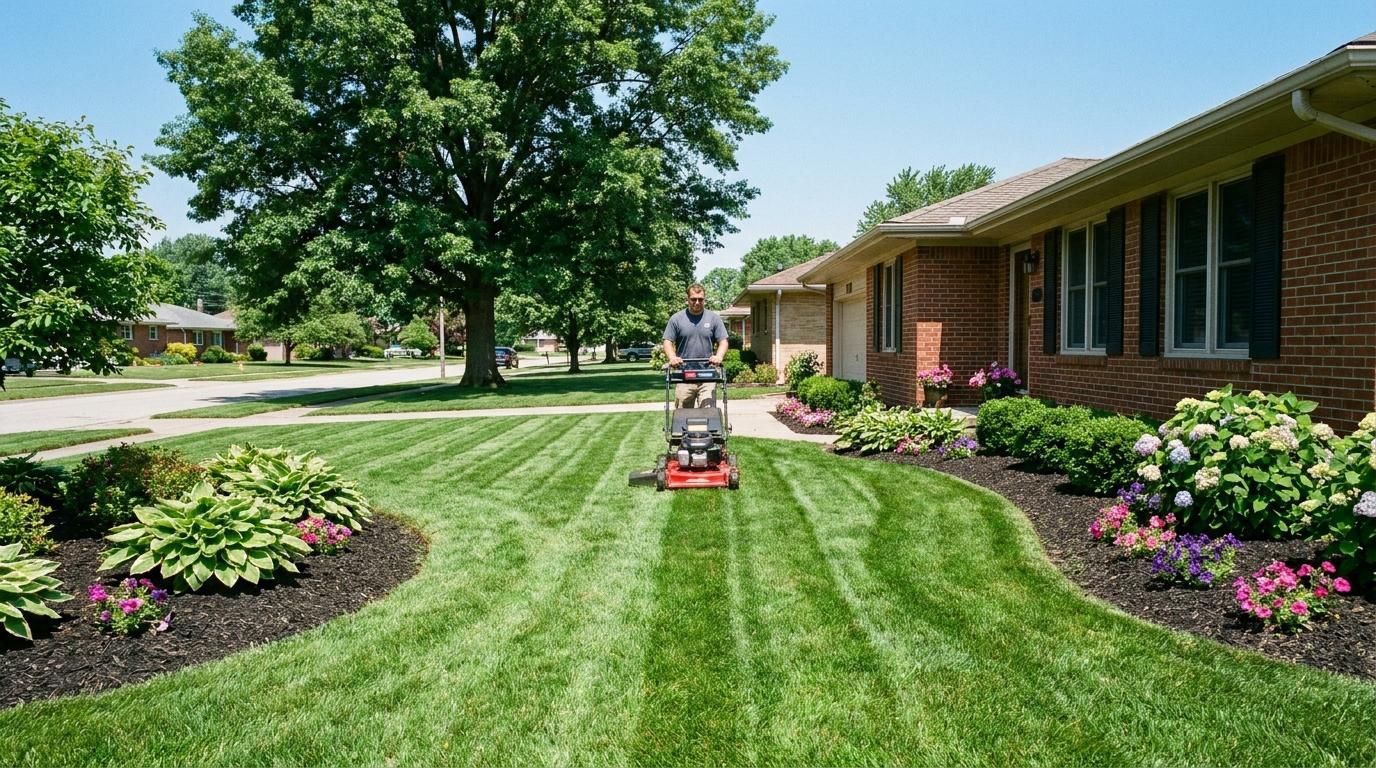
How often you need to mow your lawn in northwest Ohio depends on the season. During spring and fall, lawns need cutting every five to seven days when cool-season grasses grow the fastest. Summer lawns stretch to every seven to fourteen days as heat slows growth. The final mow of the season typically lands in late November in the Toledo area. Through every season, one rule stays consistent: never cut more than one-third of the grass blade in a single pass.

Stuckey's Curb & Landscape runs weekly and bi-weekly mowing routes for homeowners across Toledo, Holland, Sylvania, Maumee, and Perrysburg. In this blog post we cover the one-third rule in detail, the three seasonal frequency windows that determine how often the mower needs to come out, and the right cutting height for each of the three common Ohio grass types.

The One-Third Rule Every Ohio Lawn Needs

The one-third rule is the single most important mowing guideline for cool-season turf. Never remove more than one-third of the grass blade in a single pass. If your target height is three inches, mow when the grass reaches about four and a half inches.

Cutting below that threshold stresses the plant, weakens the root system, and opens the door for crabgrass and broadleaf weeds. It also triggers a faster growth response, which means more frequent mowing and heavier clippings on the surface. Homeowners who follow this rule consistently end up with thicker, healthier turf by midsummer.

Mowing Frequency by Season in Northwest Ohio

Mowing frequency in northwest Ohio shifts three times a year as growth rates change with temperature and rainfall.

Spring (April Through May)

Ohio’s cool-season grasses grow fastest in spring once soil temperatures climb above 50°F. The spring lawn care schedule requires mowing every five to seven days from mid-April through late May. Rainfall and fertilizer push that closer to every five days. Allow the clippings to fall in place to return nitrogen to the soil.

Summer (June Through August)

Growth slows as daytime temperatures rise above 80°F. Most Toledo-area lawns need mowing every seven to fourteen days in summer. Skip cutting during drought stress unless the grass is actively growing. Raise the mower height by half an inch to shade roots and reduce water loss.

Fall (September Through November)

Cool-season grasses enter a second growth surge in September when temperatures drop. Return to a five-to-seven-day schedule. Lower the blade gradually for the last two cuts to reduce snow mold risk over winter. Most northwest Ohio lawns get their final mow in late November.

Mowing Height for Common Ohio Grass Types

The right mowing height varies by grass species. Most northwest Ohio lawns grow one or a mix of these cool-season varieties.

Kentucky bluegrass holds up best at two and a half to three and a half inches. Tall fescue thrives between three and four inches, which makes it more forgiving during hot, dry summers. Perennial ryegrass does well at two to three inches but needs more frequent passes to stay tidy.

Set your mower blade based on your dominant grass type. If you’re not sure what’s in your yard, check the leaf blade width. Tall fescue has wider, coarser blades, while Kentucky bluegrass is finer and denser.

Comparing DIY to professional service? Our blog post on the average lawn mowing cost in Ohio provides a useful benchmark.

Frequently Asked Questions

Is it better to mow weekly or biweekly?

Weekly mowing is better than biweekly during spring and fall when cool-season grasses grow the fastest. Biweekly mowing is usually enough during summer when heat slows growth. The right schedule depends on rainfall, grass type, and how fast your lawn actually grows between cuts.

What height should I cut my grass in Ohio?

The best height to cut your grass in Ohio is three to three and a half inches for most lawns. Taller grass shades the root zone, holds moisture, and crowds out weeds. Drop the height slightly for the final fall cut to reduce snow mold risk. Stuckey's Curb & Landscape adjusts blade height seasonally on every visit.

Should you mow right before it rains?

You can mow right before a light rain since the moisture helps wash clippings into the turf. Avoid mowing during or right after heavy rain because wet clippings clump, clog the mower deck, and leave uneven streaks. Wet grass also tears instead of cutting cleanly, which browns the tips.

A Healthier Lawn Starts With the Right Cutting Schedule

The best mowing frequency follows the grass, not the calendar. Spring and fall lawns need a cut every five to seven days during peak growth. Summer lawns stretch to every seven to fourteen days as heat slows things down. The final mow lands in late November for most northwest Ohio yards. Across all three windows, the one-third rule keeps the lawn healthy: never remove more than one-third of the blade in a single pass.

Stuckey's Curb & Landscape runs weekly and bi-weekly mowing routes across Toledo, Holland, Sylvania, Maumee, and Perrysburg. Contact our team at (419) 356-3648. We adjust the blade height each visit so the cut matches the season and the grass type in your yard.

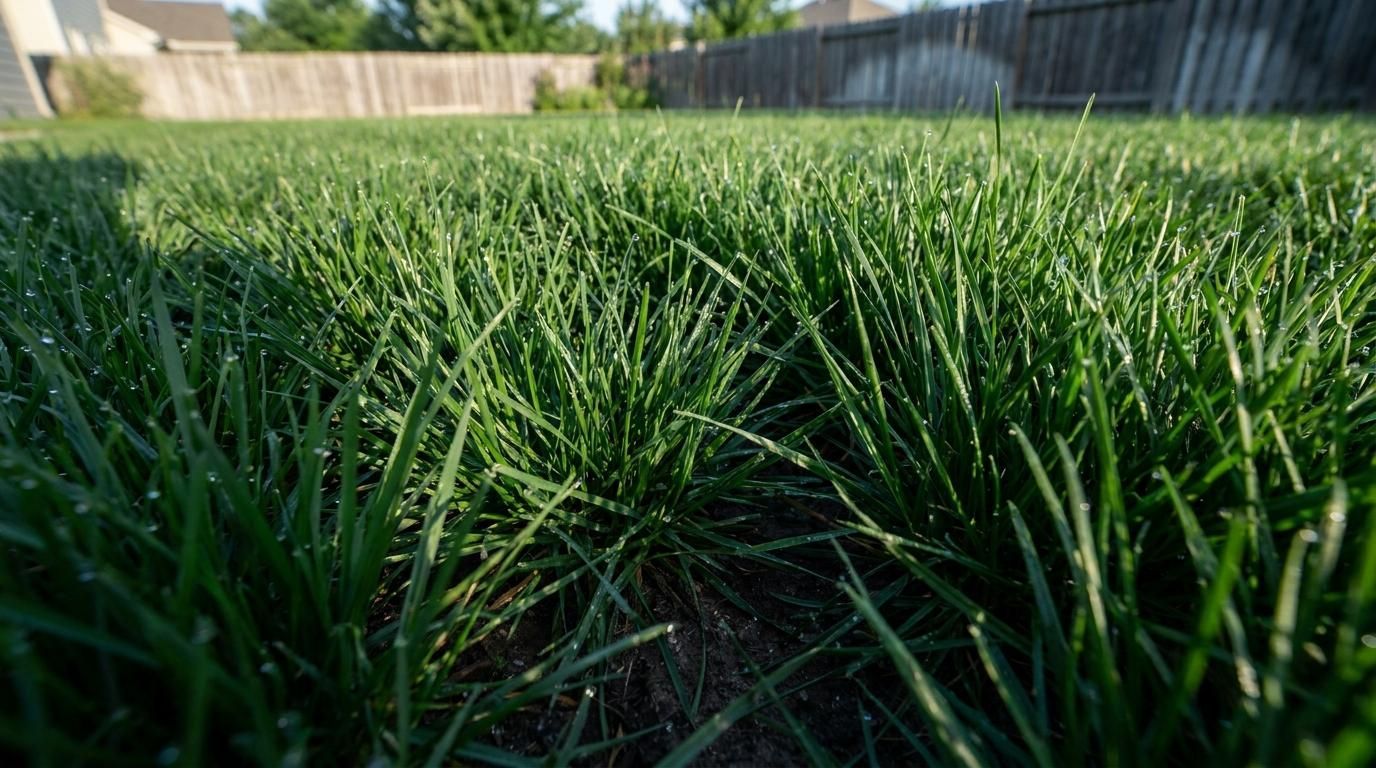
Kentucky bluegrass close up
By Nate Stuckey May 29, 2026
Discover the best grass seed for Ohio lawns. Weigh Kentucky bluegrass, tall fescue, perennial ryegrass, and the right blends for sun, shade, and high traffic.
Common causes of bare spots in Ohio lawns
By Nate Stuckey May 25, 2026
Learn how to fix bare spots on your lawn step by step. Stuckey’s discusses the causes, soil prep, seeding, watering, and when to call a pro in northwest Ohio.
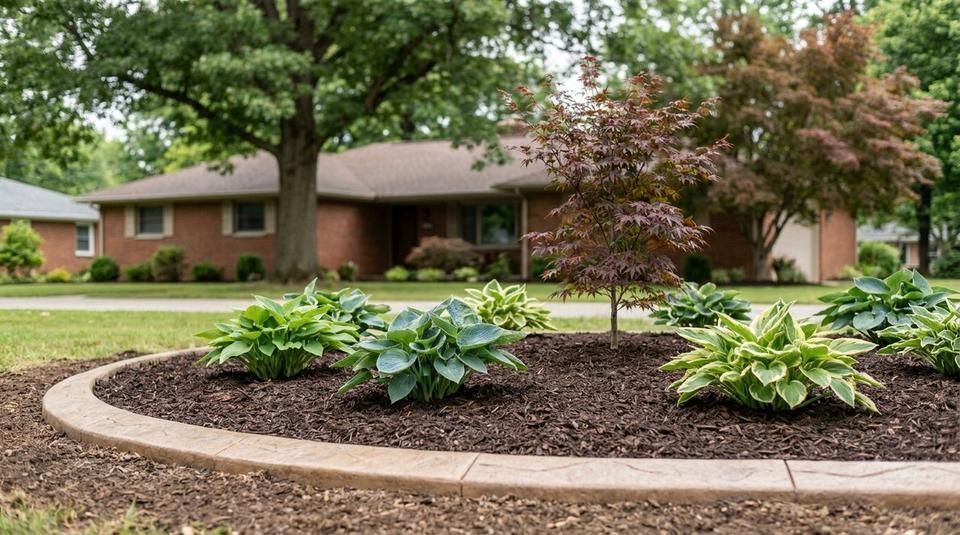
Decorative concrete curbing flower bed edging
By Nate Stuckey May 21, 2026
Explore 6 flower bed edging ideas compared by cost, lifespan, and maintenance. Consider concrete curbing, stone, brick, steel, rubber, & natural edges in Ohio.
Average bush trimming cost in northwest Ohio
By Nate Stuckey May 18, 2026
Learn the Bush Trimming Cost in Ohio for 2026, including per-bush rates, hourly pricing, what affects the price, & when to schedule trimming in northwest Ohio.
What thatch is and why it builds up
By Nate Stuckey May 15, 2026
Learn what lawn dethatching is, why Toledo lawns need it once thatch passes half an inch, and the best time to schedule it for fast recovery in northwest Ohio.
What mulch costs before delivery in Toledo
By Nate Stuckey May 10, 2026
See the mulch delivery cost in Toledo for 2026, including the pricing by mulch type, delivery fees, bulk vs. bagged comparison, and estimating your total.
Pruning spring-blooming shrubs right after flowering
By Nate Stuckey May 2, 2026
Learn when to trim bushes and shrubs in Ohio by plant species. Get Stuckey’s seasonal pruning calendar for boxwood, hydrangea, lilac, and more.
Single-story house with a manicured lawn and curved flower bed in front
By Nate Stuckey April 29, 2026
Compare 7 landscape edging options for Ohio yards: concrete curbing, steel, plastic, stone, brick, trench, and rubber. Ranked by durability, cost, and style.
Mulched garden bed with colorful flowers along a curved lawn beside a house
By Nate Stuckey April 21, 2026
Compare the 5 best mulch types for NW Ohio flower beds: hardwood, cedar, cypress, pine bark, and rubber. Local pros, cons, and pricing for Toledo-area yards.
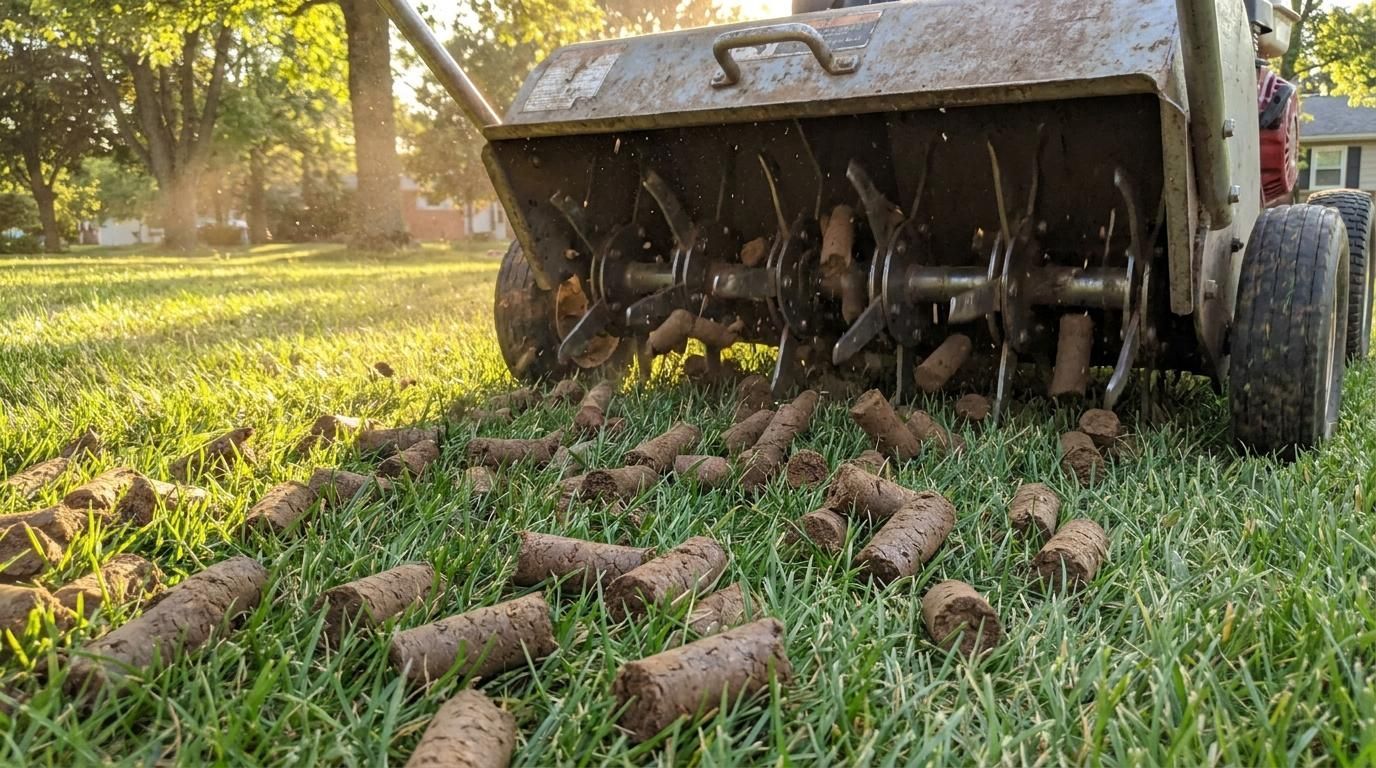
Person operating a red lawn aerator on a grassy suburban lawn, with soil plugs scattered behind.
By Nate Stuckey April 15, 2026
Dethatching removes dead buildup while aerating loosens compacted soil. Learn which your NW Ohio lawn needs, when to schedule each, and when you need both.
Show More