How to Fix Bare Spots in Your Lawn: Step-by-Step Guide for Ohio Homeowners

Nate Stuckey • May 25, 2026

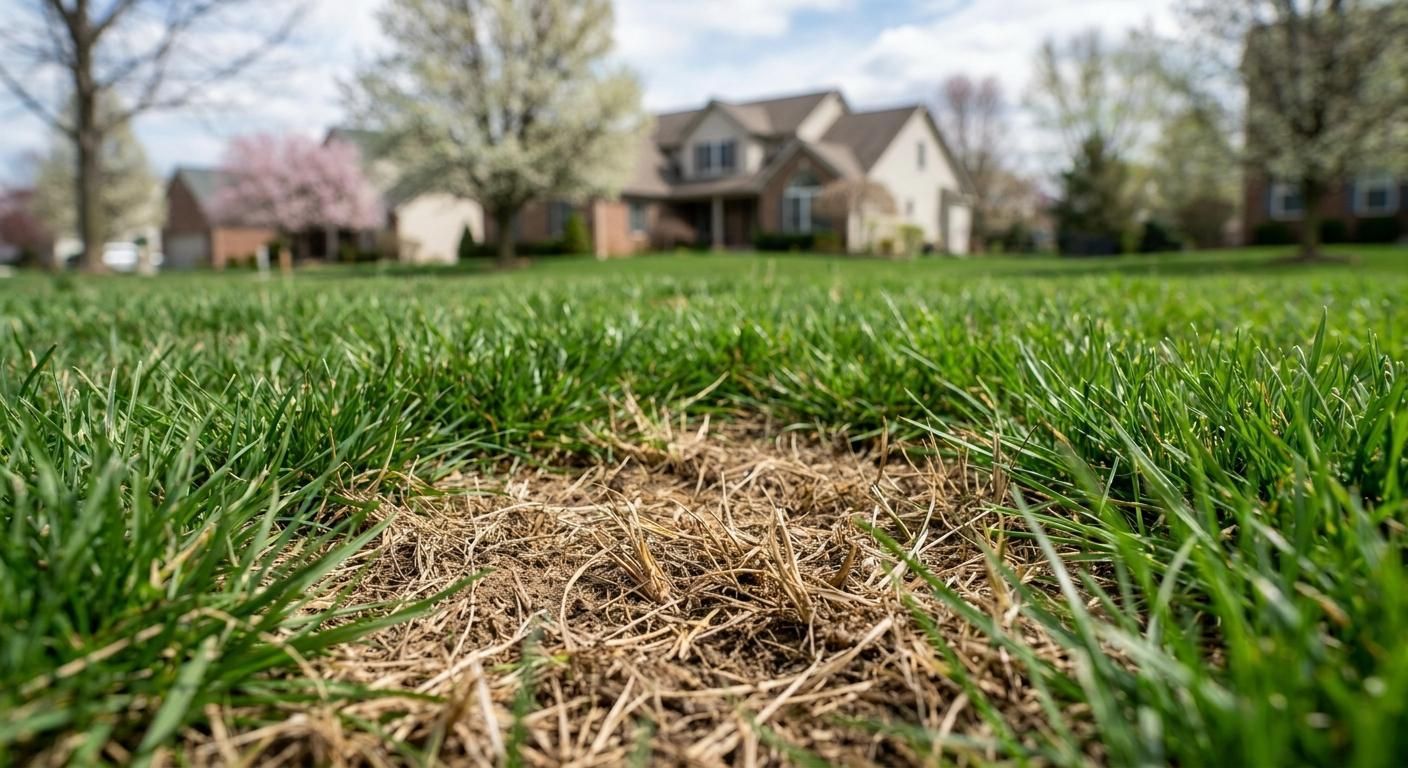
Fixing bare spots on an Ohio lawn takes four steps: rake out the dead grass and debris, loosen the top half inch of soil, spread grass seed thick enough so it covers the bare soil, and water lightly twice a day for the first two to three weeks. Early fall is the best time to do this in northwest Ohio. Soil temperatures sit between 50 and 65 degrees, which is the sweet spot for germinating cool-season grass. Fall rain handles most of the watering. And crabgrass, which only lives one year, is dying off instead of crowding out your new grass.

Spring repairs work too, but they're trickier because most homeowners apply pre-emergent weed killer in early spring to stop crabgrass before it sprouts. That same chemical will also stop your new grass seed from sprouting, so you either have to skip the seeded patches when applying it or wait to seed until after the pre-emergent has worn off. New grass usually reaches full coverage in four to six weeks with consistent watering.

Stuckey's Curb & Landscape repairs bare patches and overseeds thinning turf as part of its lawn maintenance services across Toledo and northwest Ohio. This article explains the four most common causes of bare spots in Ohio lawns, the step-by-step repair process, and the seasonal timing that leads to the fastest recovery.

Common Causes of Bare Spots in Ohio Lawns

Bare spots rarely appear without a trigger. Identifying the cause before reseeding prevents the same patch from dying off again a few months later.

Foot Traffic and Compaction

Repeated walking, parking, or play equipment concentrated in one area compresses the soil and smothers grass roots. Paths between a driveway and back gate are the most common compaction zones in Toledo yards.

Grub Damage

White grubs feed on grass roots from late summer into fall. Damaged turf pulls up like loose carpet. If a bare spot peels away easily and you see C-shaped larvae underneath, grubs are the cause.

Dog Urine and Chemical Burns

Concentrated nitrogen from pet urine or over-applied fertilizer kills grass in small, well-defined circles. The edges often look greener than the surrounding lawn because of the diluted nitrogen ring around the dead center.

Fungal Disease

Brown patch and dollar spot are common in northwest Ohio during humid summer stretches. They create irregular dead areas that spread if untreated. Fungal spots usually appear overnight after warm, wet nights.

How to Fix a Bare Spot Step by Step

The process is the same regardless of cause. What changes is the seed mix and whether you need to treat the underlying problem first.

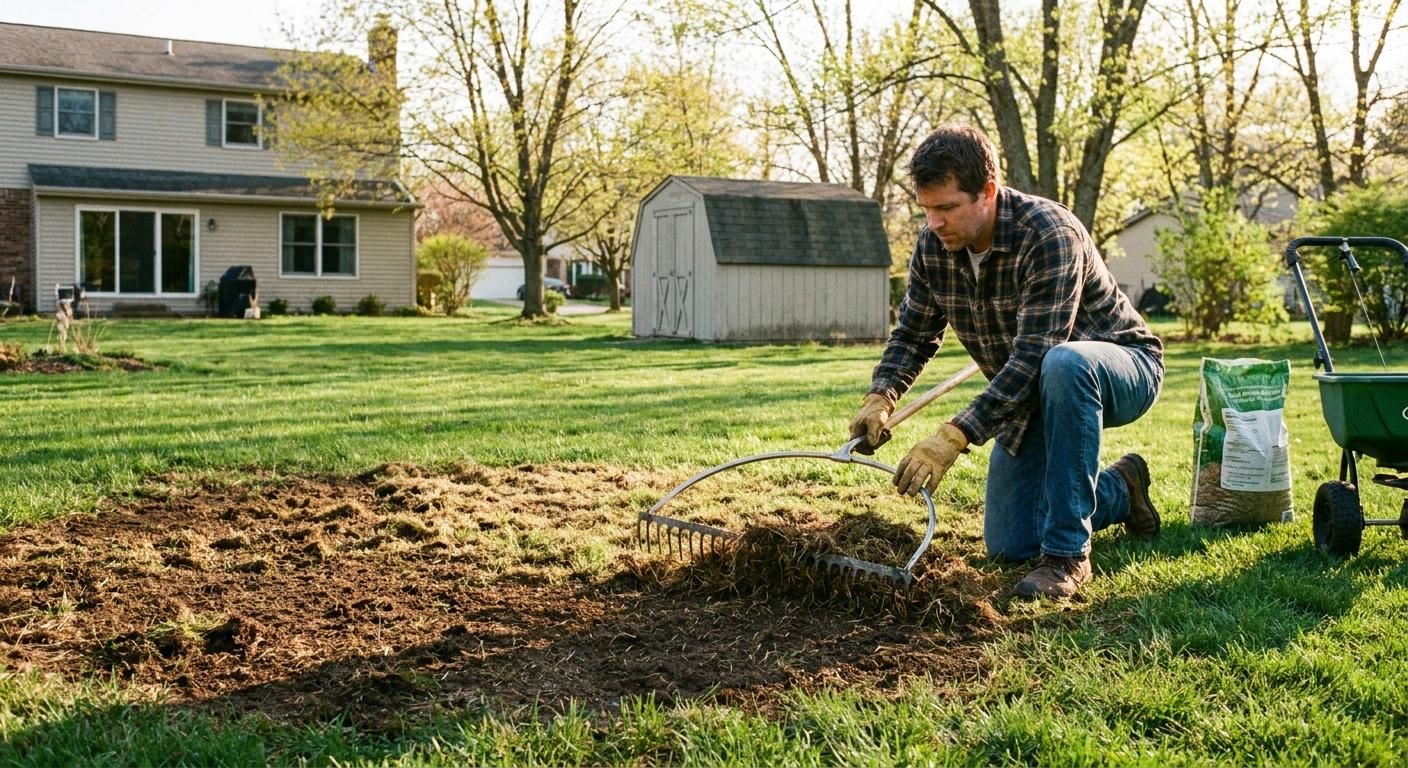
Step 1: Remove Dead Grass and Debris

Rake out all dead grass, thatch, and loose debris from the bare area. Use a stiff garden rake or a dethatching rake to expose bare soil. Clear an inch or two beyond the visible edge of the dead zone so new seed can blend into the existing turf.

Step 2: Loosen the Soil

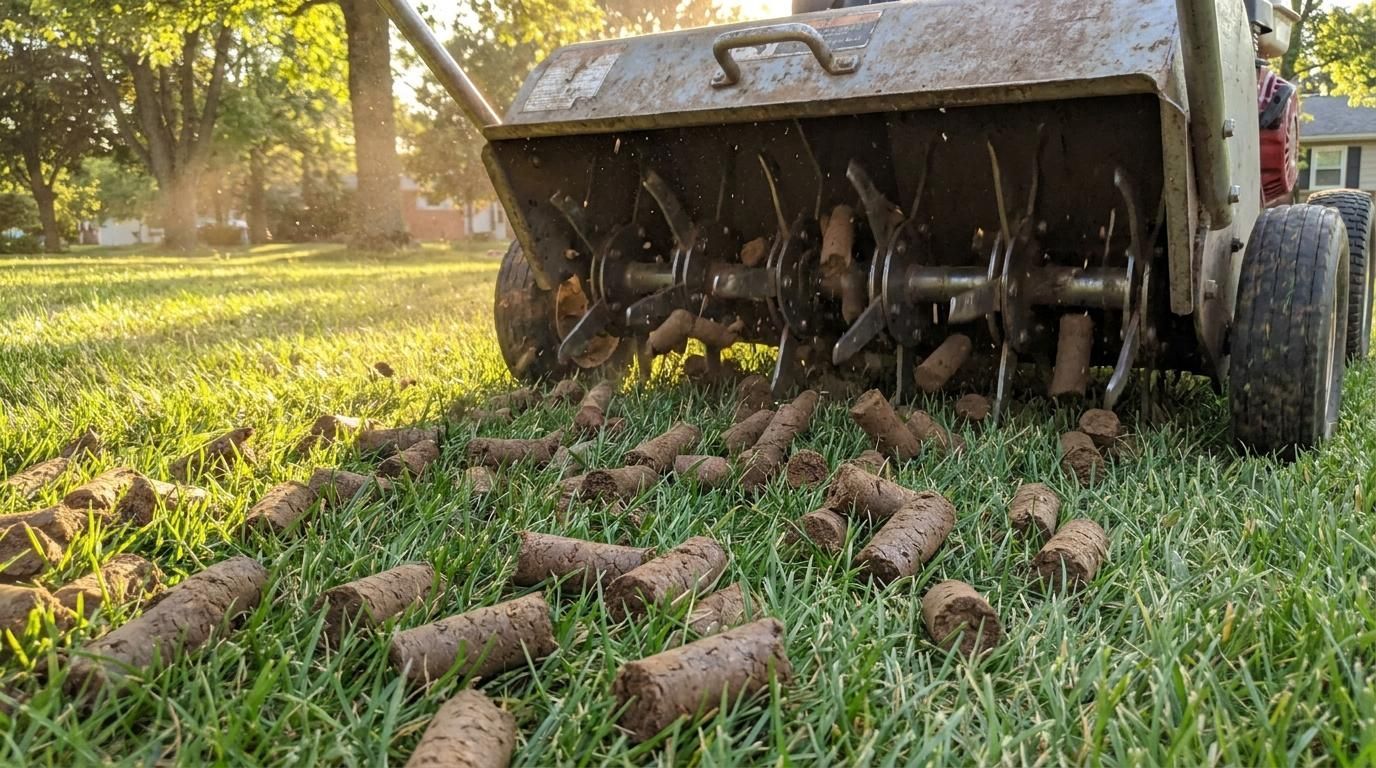
Scratch the top half inch of soil with a rake or garden fork. Compacted soil prevents seed-to-soil contact, which is the single biggest factor in germination success. For heavily compacted areas, combining aeration and overseeding gives new seed the best chance to grow.

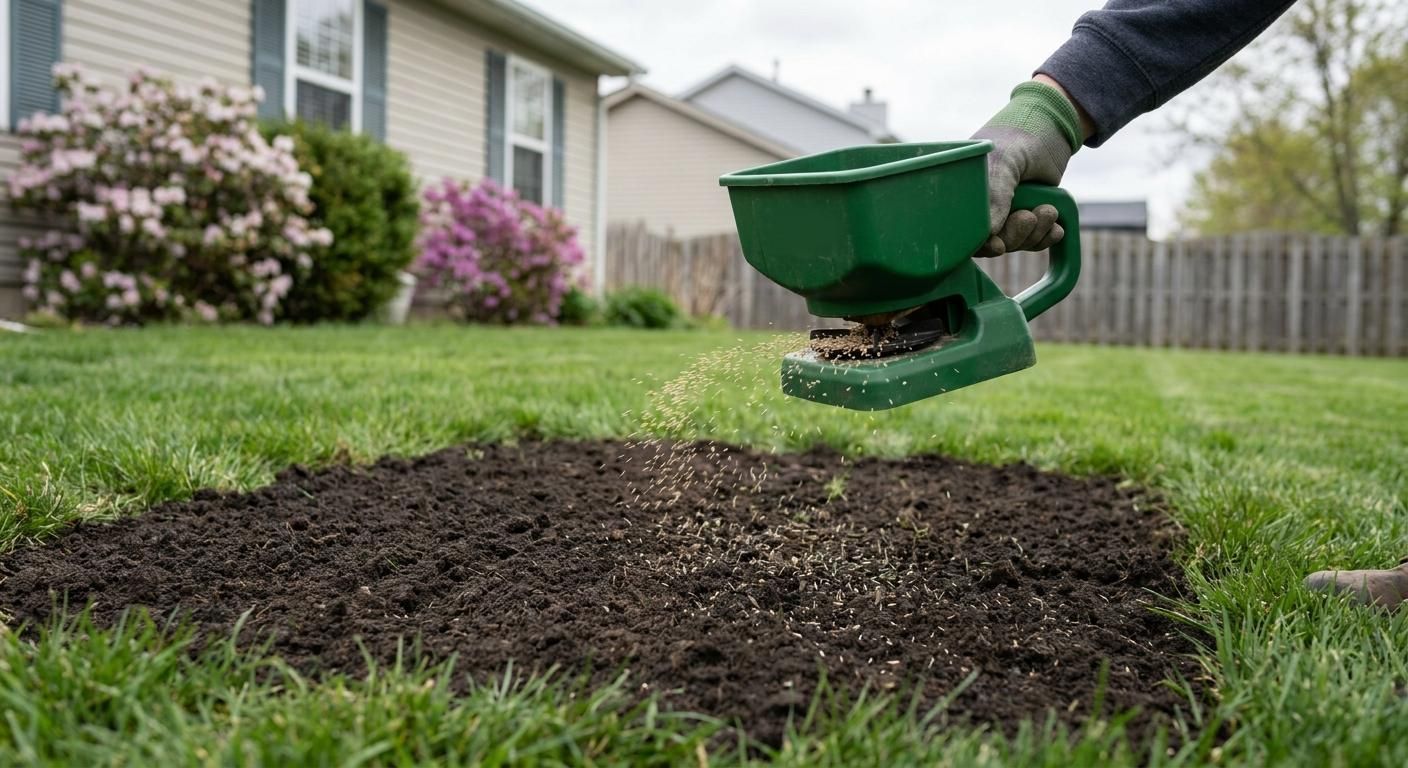
Step 3: Spread Seed and Topdress

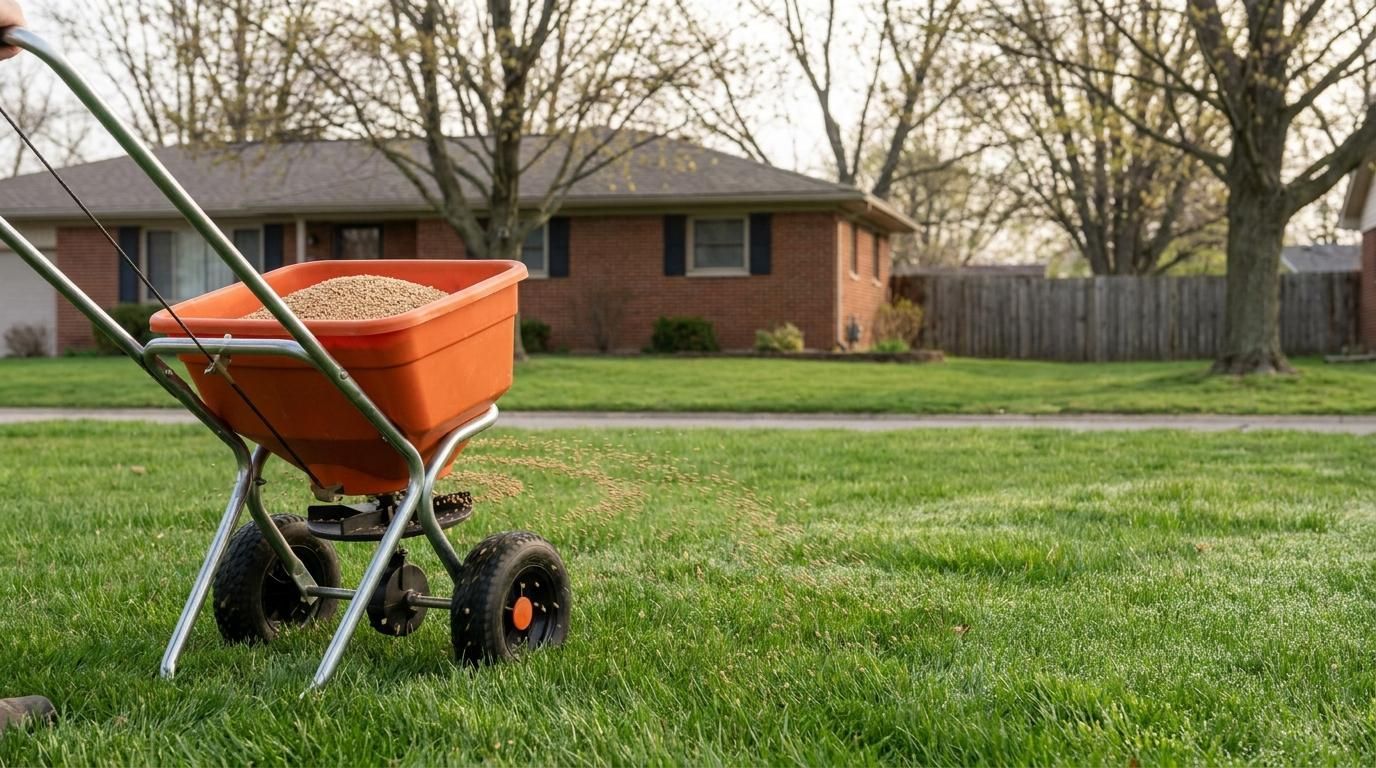
Apply grass seed at the rate listed on the bag for bare-spot repair, which is usually heavier than standard overseeding rates. Cover lightly with a quarter inch of topsoil or compost. The topdressing holds moisture against the seed and protects it from birds.

Step 4: Water Consistently

Keep the seeded area moist but not waterlogged for the first two to three weeks. Light watering twice a day works better than one heavy soak. Once seedlings reach two inches, reduce frequency and increase depth to encourage deeper roots.

When to Repair Bare Spots in Northwest Ohio

Early fall is the best window for seeding bare spots in Ohio. Soil temperatures in September sit between 50 and 65 degrees, which is the germination sweet spot for cool-season grasses. Fall rain reduces the need for manual watering, and weed pressure drops as summer annuals die off.

Spring repairs work but face more competition from crabgrass and other warm-season weeds. If you seed in spring, plan to apply a pre-emergent weed barrier around the rest of the lawn but skip it over the seeded patches. A complete spring lawn care schedule helps sequence seeding, fertilization, and weed control so they don't conflict.

Frequently Asked Questions

Will bare spots in grass grow back on their own?

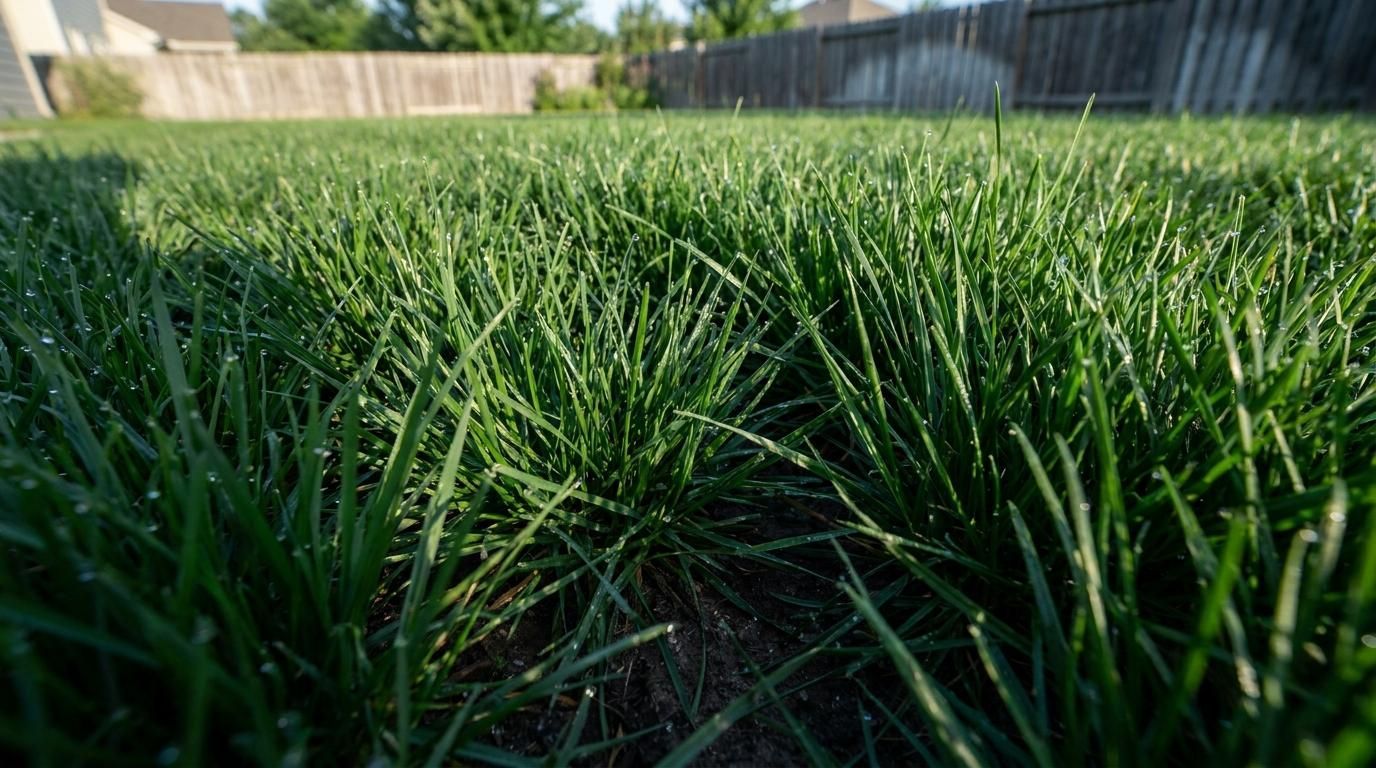
Bare spots in grass will sometimes grow back on their own, but this happens slowly and only among certain types of grass. Kentucky bluegrass spreads through underground stems called rhizomes and can fill small bare spots over several months. Tall fescue doesn’t spread laterally, so bare spots in fescue lawns require reseeding. Active repair is faster and more reliable for both grass types because it prevents weeds from filling the gap first.

What is the best grass seed for bare spot repair in Ohio?

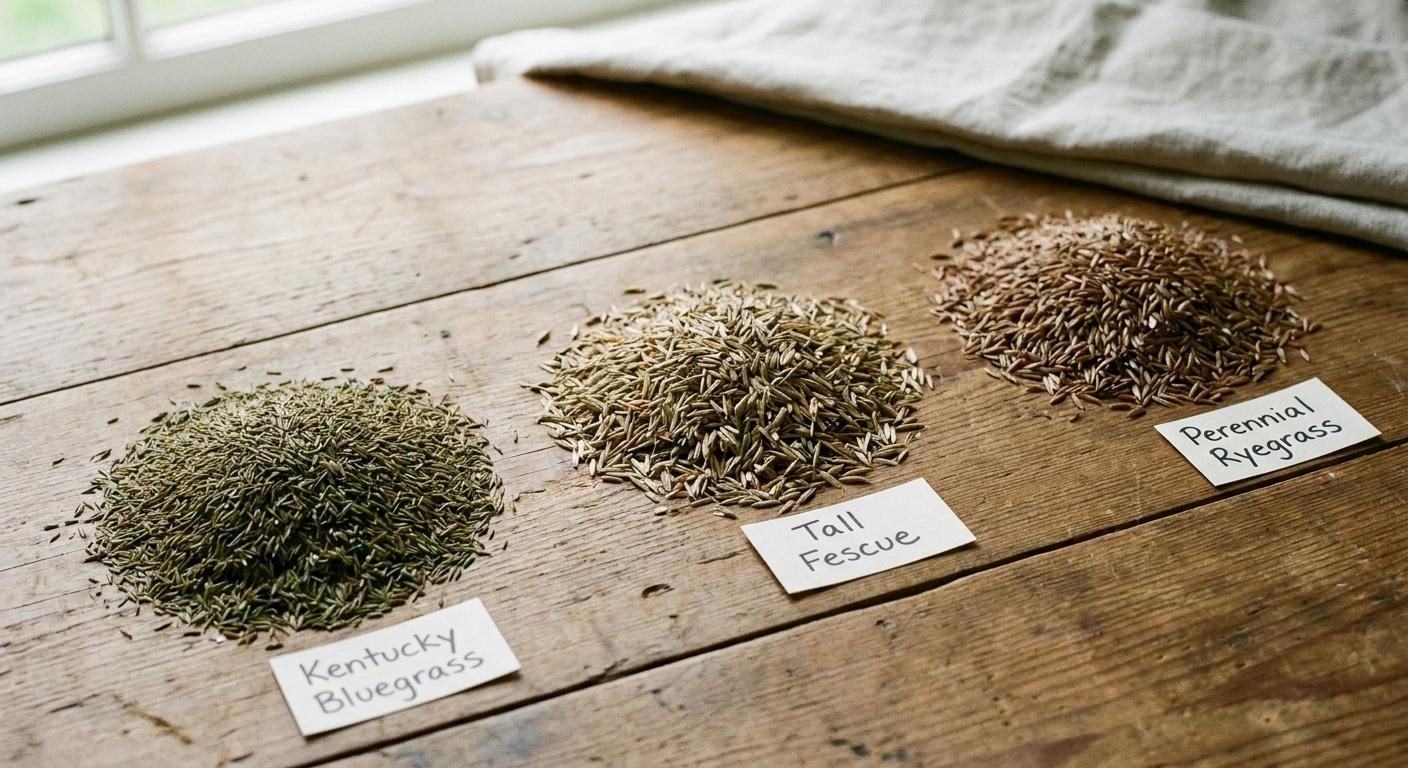
The best grass seed for bare spot repair in Ohio is a blend of Kentucky bluegrass and perennial ryegrass. Ryegrass germinates in 5 to 10 days and provides quick cover while the slower bluegrass fills in over the following weeks. Tall fescue blends are better for shaded or high-traffic areas where the patch will face stress as it establishes.

How long does it take for grass seed to fill in a bare spot?

Grass seed takes four to six weeks to fully fill in a bare spot in northwest Ohio. Perennial ryegrass germinates in 5 to 10 days and shows visible cover first. Kentucky bluegrass takes 14 to 21 days to germinate and several more weeks to thicken. Consistent watering during the first three weeks is the biggest factor in whether the timeline holds.

Bring Your Lawn Back to Full Coverage

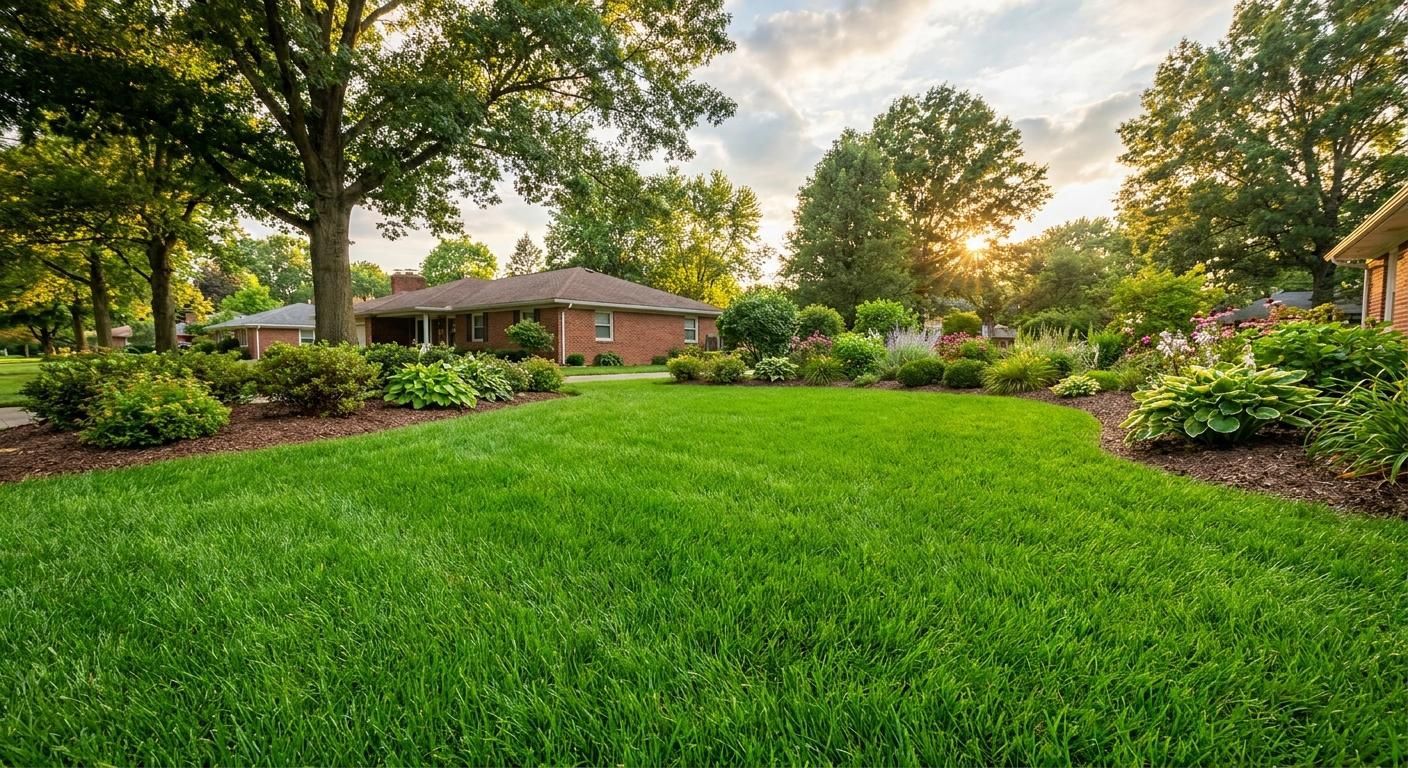
To fix bare spots on your lawn, remove the dead material, loosen the soil, put down the right seed, and water consistently until the new grass takes hold. Fall seeding gives the fastest results in Ohio, but spring repairs work too as long as weed growth is properly managed.

For professional bare-spot repair, overseeding, or full lawn restoration in Toledo, Holland, Sylvania, Maumee, or Perrysburg, contact Stuckey’s Curb & Landscape at (419) 356-3648 for a free estimate.

Kentucky bluegrass close up
By Nate Stuckey May 29, 2026
Discover the best grass seed for Ohio lawns. Weigh Kentucky bluegrass, tall fescue, perennial ryegrass, and the right blends for sun, shade, and high traffic.
Decorative concrete curbing flower bed edging
By Nate Stuckey May 21, 2026
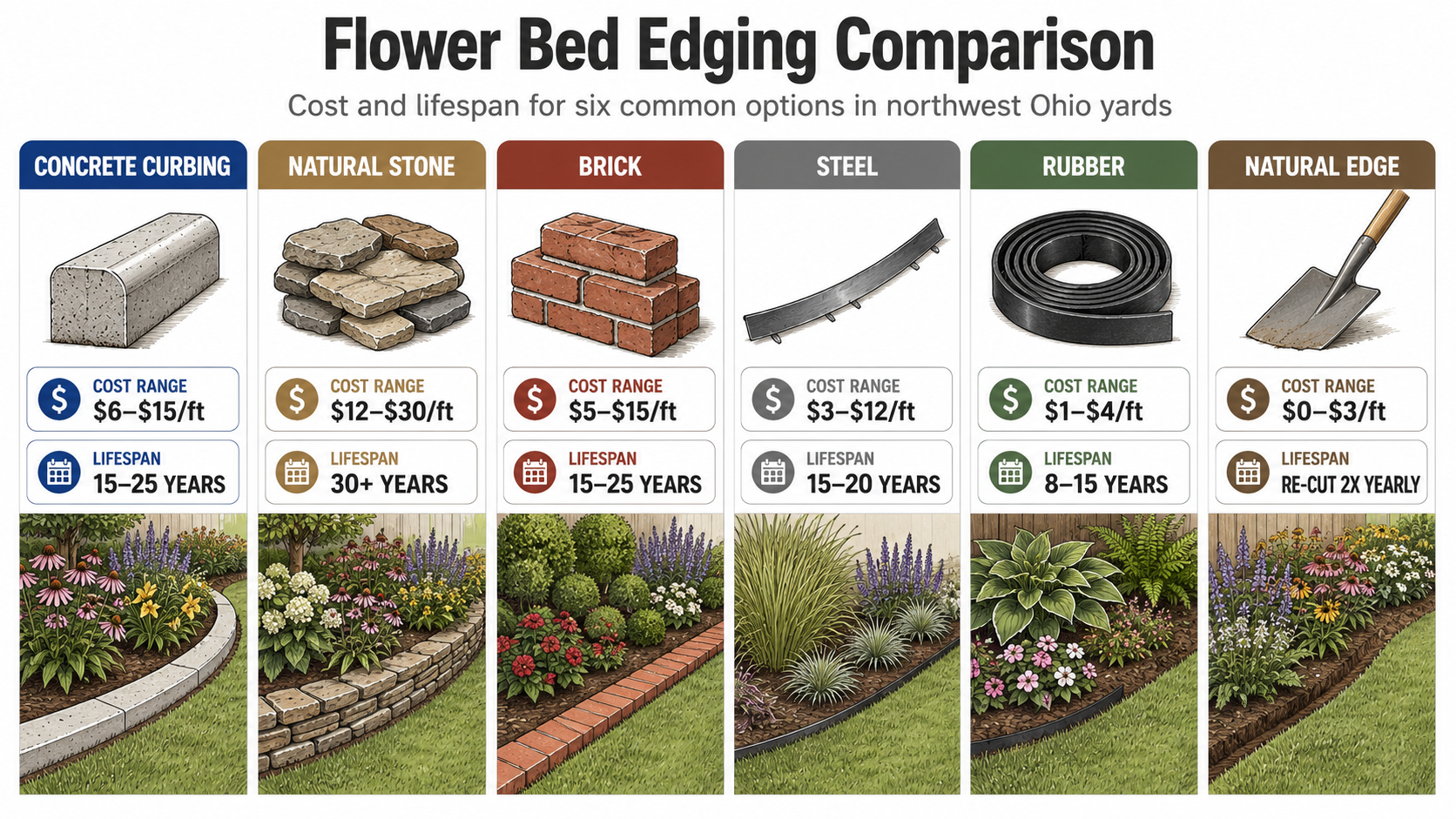
Explore 6 flower bed edging ideas compared by cost, lifespan, and maintenance. Consider concrete curbing, stone, brick, steel, rubber, & natural edges in Ohio.
Average bush trimming cost in northwest Ohio
By Nate Stuckey May 18, 2026
Learn the Bush Trimming Cost in Ohio for 2026, including per-bush rates, hourly pricing, what affects the price, & when to schedule trimming in northwest Ohio.
What thatch is and why it builds up
By Nate Stuckey May 15, 2026
Learn what lawn dethatching is, why Toledo lawns need it once thatch passes half an inch, and the best time to schedule it for fast recovery in northwest Ohio.
What mulch costs before delivery in Toledo
By Nate Stuckey May 10, 2026
See the mulch delivery cost in Toledo for 2026, including the pricing by mulch type, delivery fees, bulk vs. bagged comparison, and estimating your total.
The one-third rule every Ohio lawn needs
By Nate Stuckey May 6, 2026
Find out how often to mow your lawn in northwest Ohio by season. Covers spring, summer, & fall mowing frequency, the one-third rule, and ideal cutting heights.
Pruning spring-blooming shrubs right after flowering
By Nate Stuckey May 2, 2026
Learn when to trim bushes and shrubs in Ohio by plant species. Get Stuckey’s seasonal pruning calendar for boxwood, hydrangea, lilac, and more.
Single-story house with a manicured lawn and curved flower bed in front
By Nate Stuckey April 29, 2026
Compare 7 landscape edging options for Ohio yards: concrete curbing, steel, plastic, stone, brick, trench, and rubber. Ranked by durability, cost, and style.
Mulched garden bed with colorful flowers along a curved lawn beside a house
By Nate Stuckey April 21, 2026
Compare the 5 best mulch types for NW Ohio flower beds: hardwood, cedar, cypress, pine bark, and rubber. Local pros, cons, and pricing for Toledo-area yards.
Person operating a red lawn aerator on a grassy suburban lawn, with soil plugs scattered behind.
By Nate Stuckey April 15, 2026
Dethatching removes dead buildup while aerating loosens compacted soil. Learn which your NW Ohio lawn needs, when to schedule each, and when you need both.
Show More