Landscape Edging Types Compared: Concrete, Metal, Plastic, and Stone for Ohio Homes
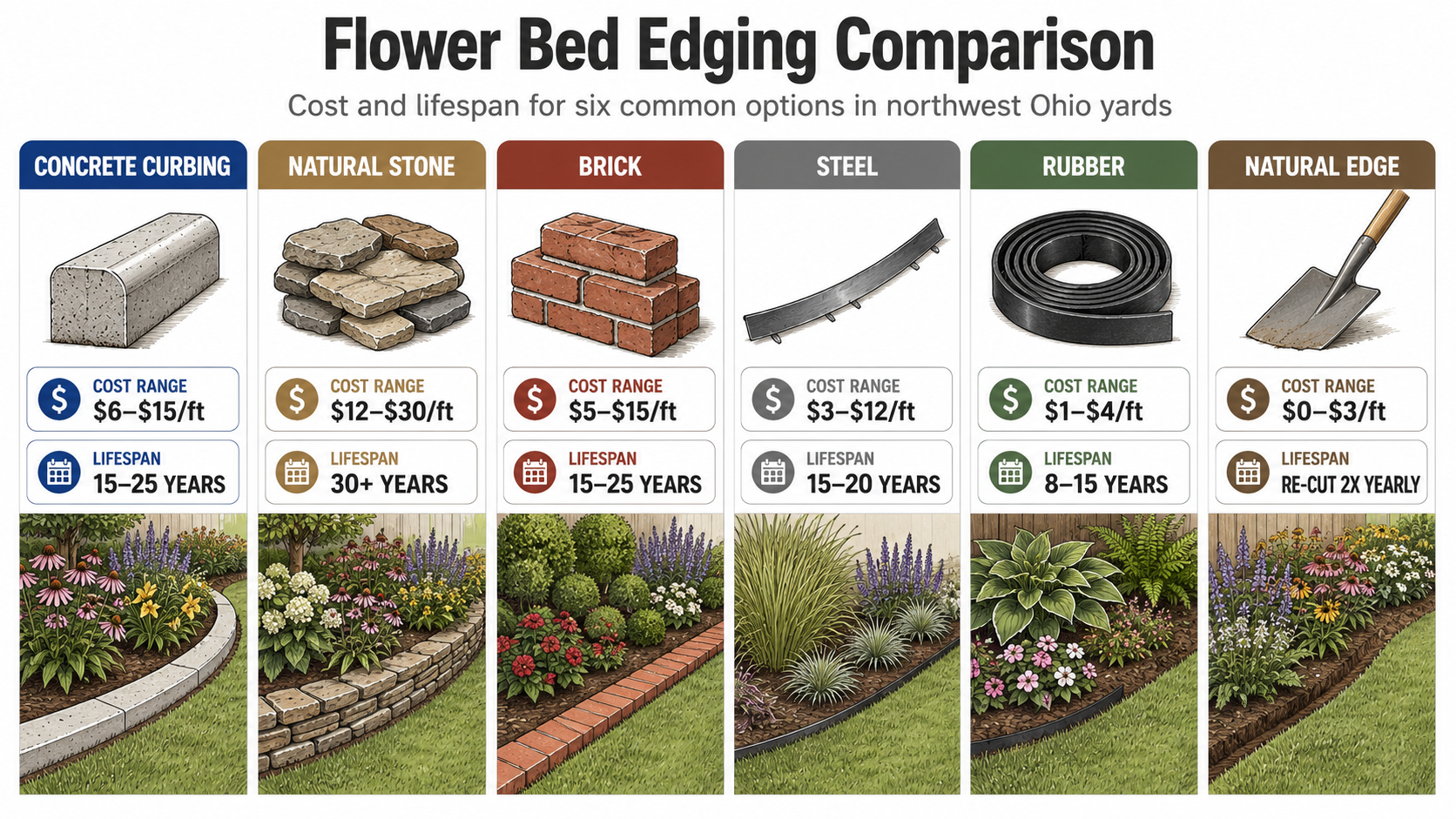
Landscape edging comes down to five materials that Ohio homeowners weigh against each other: concrete curbing, steel and aluminum, plastic and rubber, brick, and natural stone. Each behaves differently on Ohio clay and through freeze-thaw winters. Natural stone lasts the longest but is the priciest per foot, making concrete curbing the most cost-effective permanent option. Offering decorative concrete curbing around Holland and Maumee, Stuckey's Curb & Landscape often sees the other four materials get torn out and replaced within their first 10 years on many local properties.
Most homeowners weighing edging materials have already narrowed it to two choices: plastic versus concrete or metal versus stone. They usually just want to know which one survives a Northwest Ohio winter. Each material has its place; the wrong pick tends to show itself by the third spring. This post puts all five through the same test: durability, installation cost, replacement schedule, and how each looks after a freeze-thaw winter.
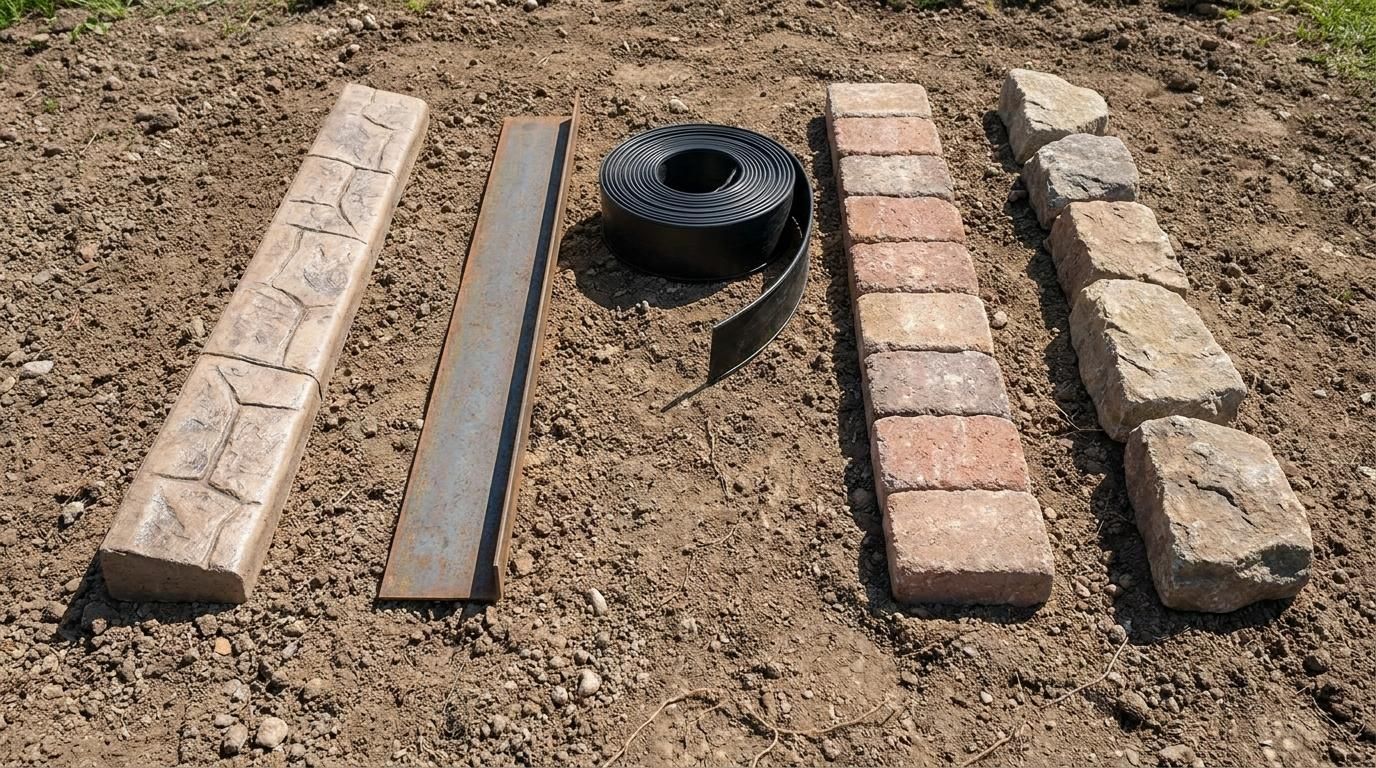
The Five Landscape Edging Types Most Toledo Homeowners Weigh
Each material below has a specific use case and a Northwest Ohio failure mode.
Decorative Concrete Curbing
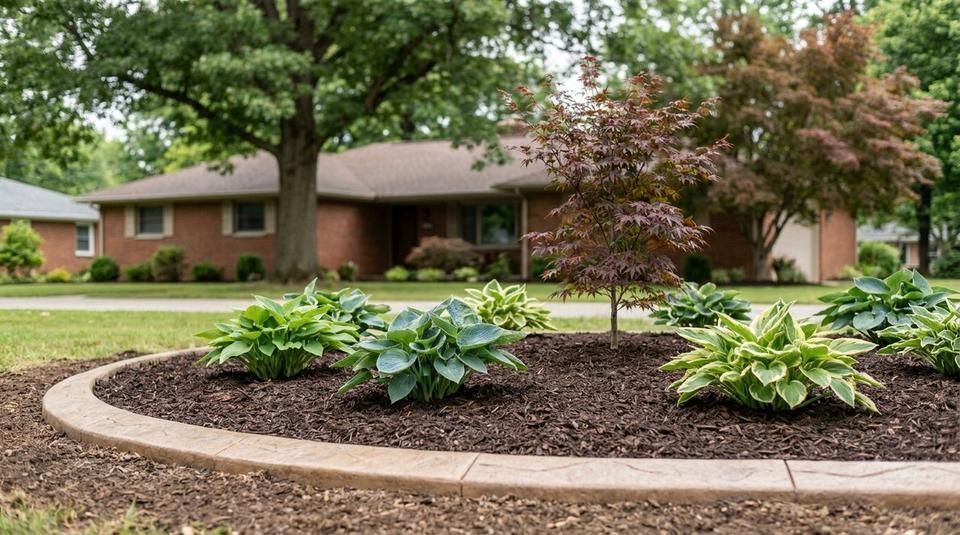
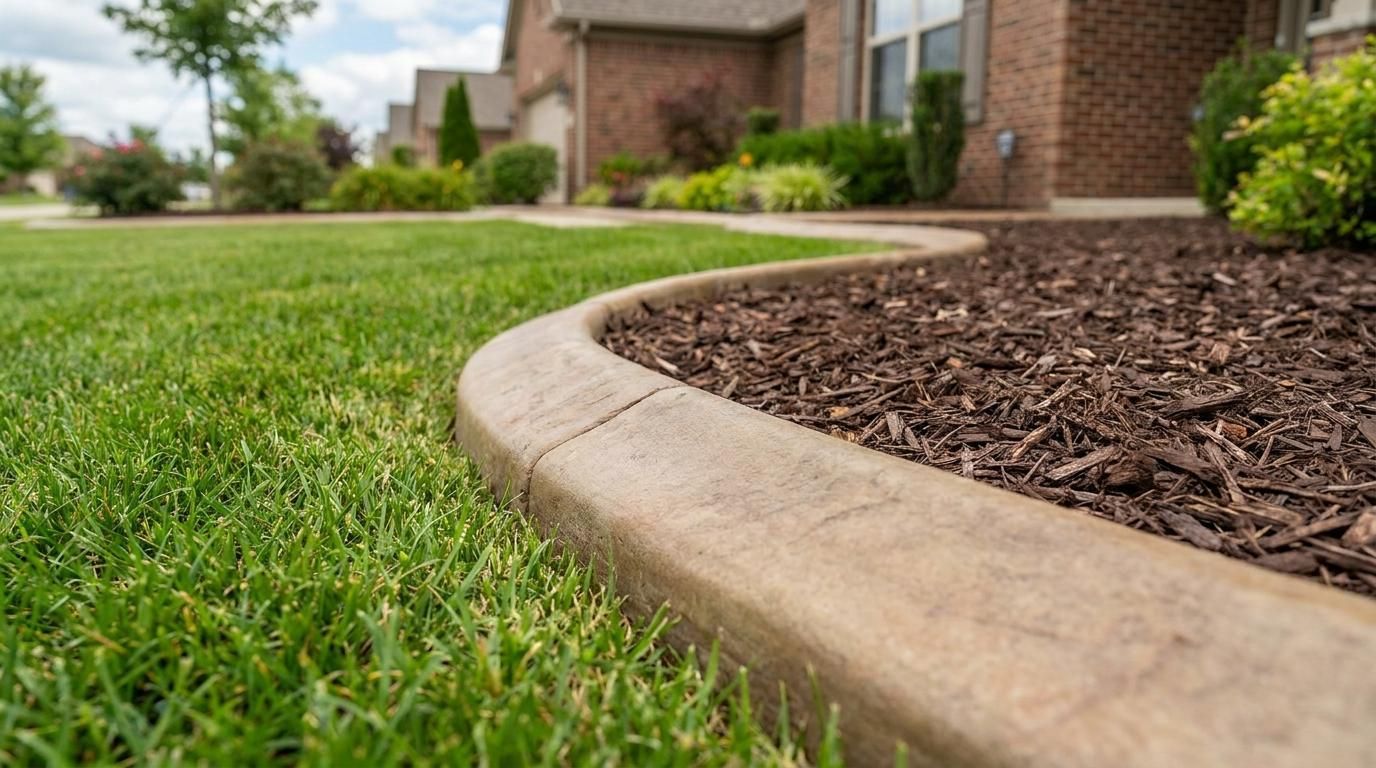
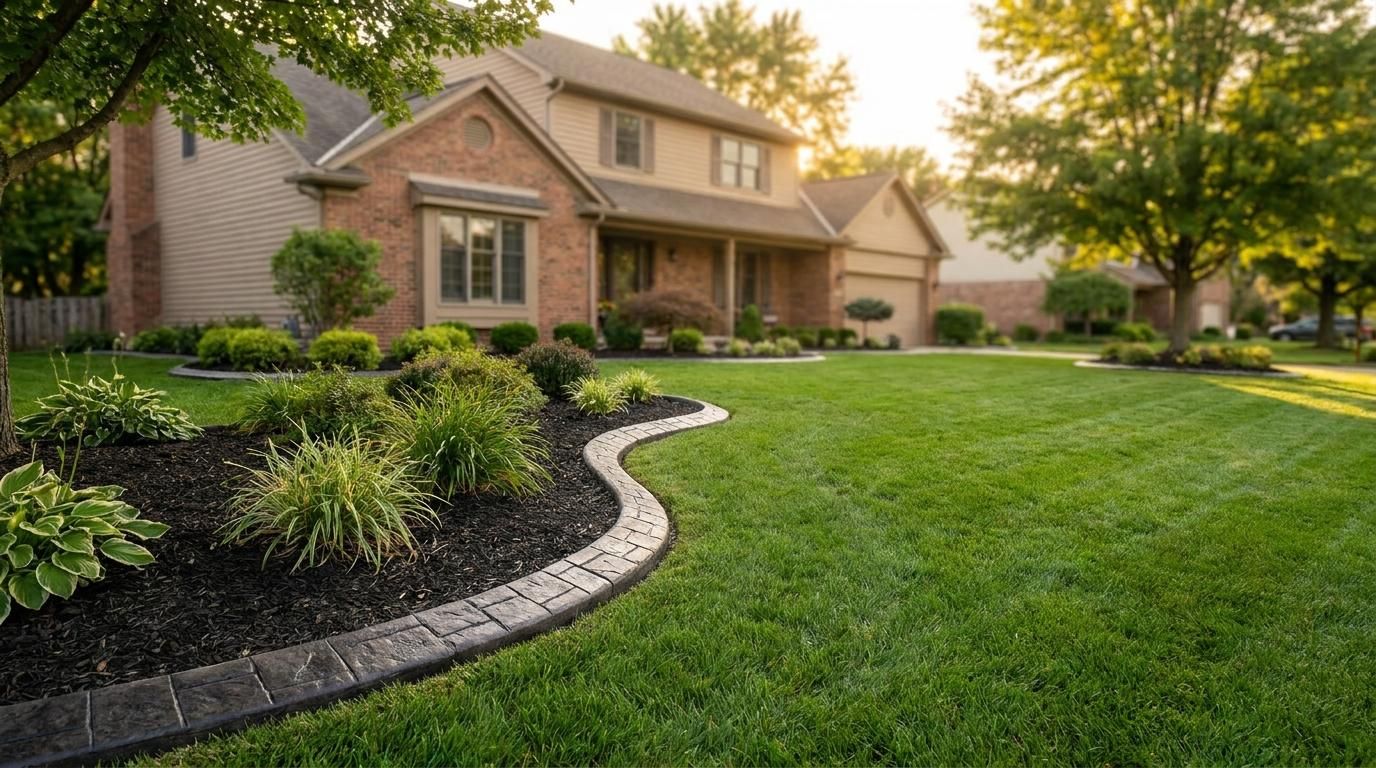
Continuous concrete poured on site, typically 4 to 6 inches wide. Concrete curbing styles offer customizable color and texture, with no joints that can fail.
Steel and Aluminum
Thin metal strips driven into the soil. Steel rusts; aluminum doesn't, but both warp under mower traffic and can lift after deep frost.
Plastic and Rubber
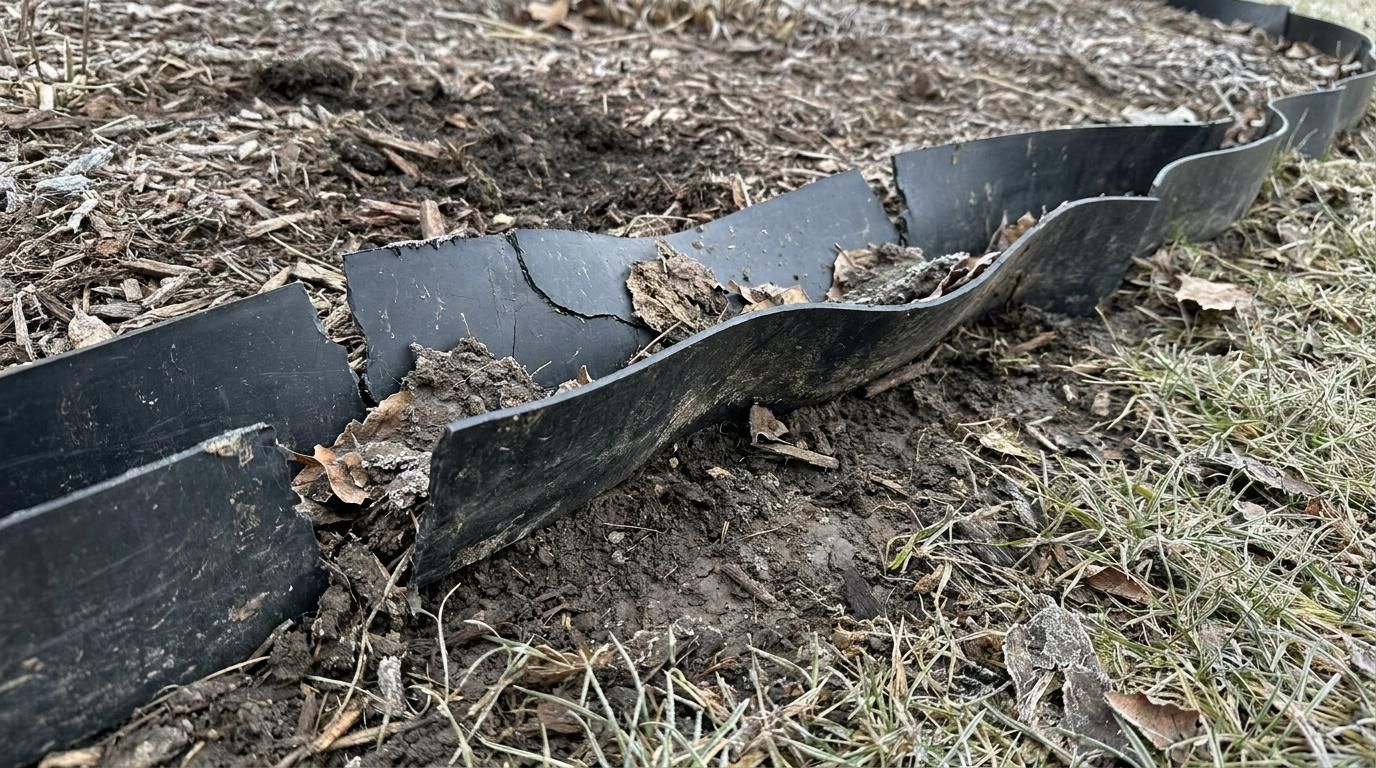
The budget option. Flexible strips staked into the soil. Brittle by year three, and freeze-thaw cycles push them out every spring.
Brick
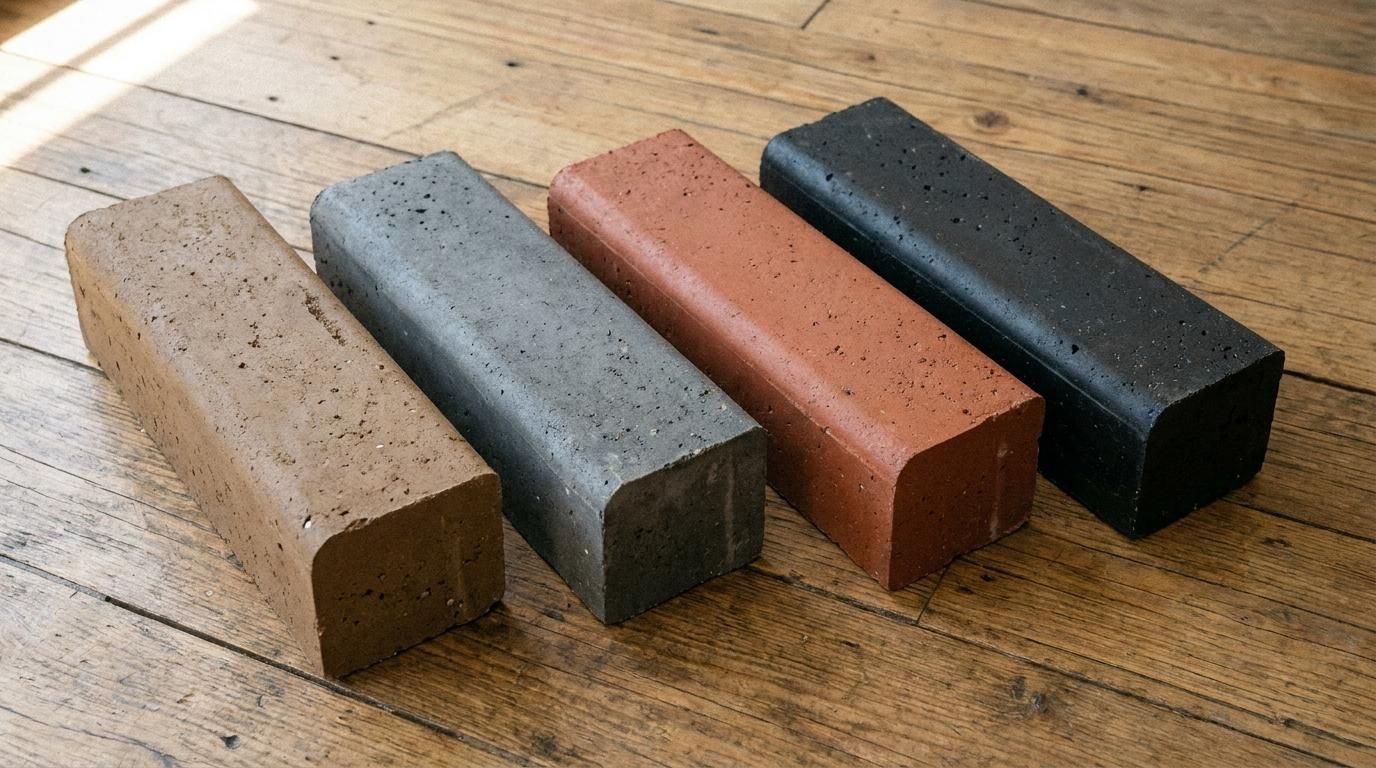
Individual pavers set in sand or mortar. Classic on brick homes but shifts with frost heave, and joints fill with weeds within a few seasons.
Natural Stone
Fieldstone, limestone, or sandstone set as a continuous low wall. Premium look, premium price, and joints still need maintenance.
Side-by-Side Comparison: Lifespan, Cost, and Maintenance
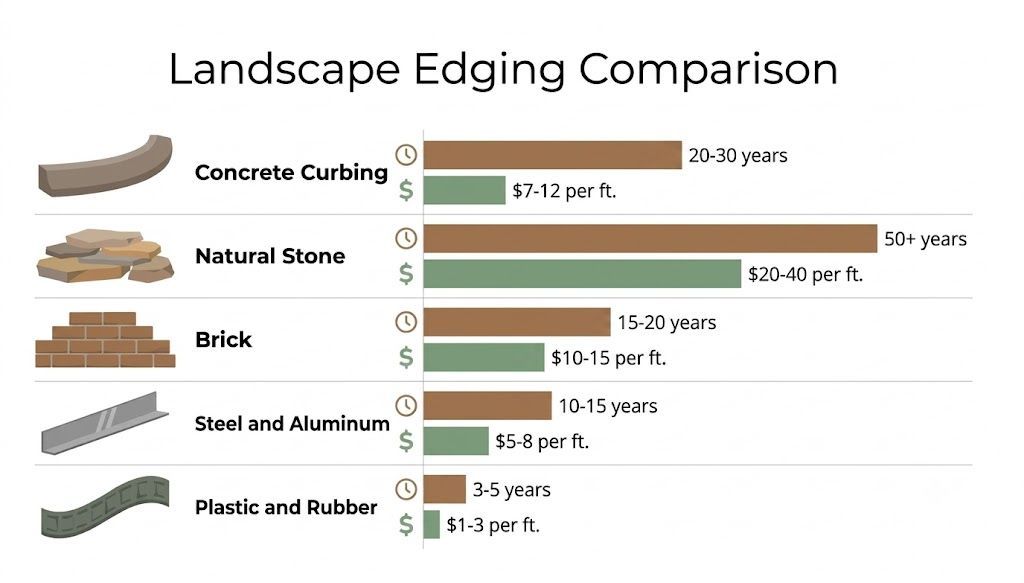
The numbers below reflect typical Northwest Ohio installs in 2026. Lifespan assumes normal residential use with seasonal freeze-thaw exposure; cost is installed, per linear foot.
| Edging Type | Lifespan | Installed Cost / Linear Foot | Maintenance |
|---|---|---|---|
| Concrete Curbing | 20 to 30 years | $7 to $12 | Occasional rinse |
| Natural Stone | 50+ years | $20 to $40 | Joint maintenance every few years |
| Brick | 15 to 20 years | $10 to $15 | Re-leveling and weeding annually |
| Steel and Aluminum | 10 to 15 years | $5 to $8 | Re-staking after deep frost |
| Plastic and Rubber | 3 to 5 years | $1 to $3 | Re-staking every spring |
Why Concrete Curbing Wins on Ohio Clay
Three properties earn extruded concrete curbing the long-term advantage on Northwest Ohio properties. The curb pours as one continuous piece, so there are no joints for water to enter and freeze open. Integral pigments keep the color in the slab rather than on top, so freeze-thaw doesn't strip the finish. And the curb mass anchors against frost heave because the embedded foot sits below the typical frost line on Ohio clay. The price of concrete curbing is a few dollars more than steel and several dollars less than brick, offering the lowest per-year cost of the five.
When a Different Edging Type Actually Makes Sense
Concrete isn't the right call for every situation. The other four materials each have a clear advantage depending on your goals.
- Plastic or rubber: Temporary beds getting torn out anyway. Low first-year cost is the only argument.
- Steel or aluminum: Modern minimalist landscapes where the visual goal is an invisible line.
- Brick: Side-yard runs on older brick homes where matching the existing material is the whole point.
- Natural stone: Premium estate landscapes where budget isn't capping the choice.
Frequently Asked Questions
What are the different types of landscape edging?
The different types of landscape edging fall into five categories: concrete curbing, steel and aluminum, plastic and rubber, brick, and natural stone. Concrete pours as one continuous piece, metal comes in driven strips, plastic and rubber are flexible budget rolls, brick is set individually, and stone is laid as a low wall. Each handles Northwest Ohio freeze-thaw differently.
What is the longest lasting landscape edging?
Natural stone is the longest lasting landscape edging at 50 years or more, followed by concrete curbing at 20 to 30 years. Both outlive brick, metal, and plastic by a wide margin on Northwest Ohio clay. The price gap between concrete and stone is wide enough that most homeowners pick concrete for its near-permanent lifespan at roughly a third of the stone install cost.
Is concrete curbing worth the money?
Concrete curbing is worth the money for any landscape edge expected to stay in place longer than five years, because the per-year cost works out to less than every other option except natural stone. A $9-per-foot install at 25 years runs about $0.36 per foot per year. The same run in plastic costs $2 per foot every spring after the first replacement, which compounds quickly.
Buy for Lifespan, Not First-Year Looks
The right type of landscape edging for your yard depends on how long the edge needs to stay put and what the look calls for. For most Toledo, Holland, and Maumee yards, concrete curbing is the long-term answer. Lasting decades, it has the lowest cost per year of service and withstands Northwest Ohio’s freeze-thaw cycles. Plastic and metal win on upfront price, but lose on every other metric within five years.
To explore options for your property and get a written estimate, request a free landscape edging consultation online or call (419) 574-6136.