The Lifespan of Concrete Curbing and How to Make It Last Longer

Nate Stuckey • January 16, 2026

Wondering how long concrete curbing really lasts? When professionally installed, decorative concrete curbing can last 20 years or more—and often much longer with proper care. Stuckey's Curb & Landscape has seen firsthand how installation quality, Northwest Ohio's climate, and routine maintenance all contribute to long-term durability. 


In this guide, we'll walk you through the factors that affect the lifespan of concrete curbing and share expert tips on sealing, cleaning, and preventing damage so your investment stays beautiful for decades.


What Determines the Lifespan of Concrete Curbing?

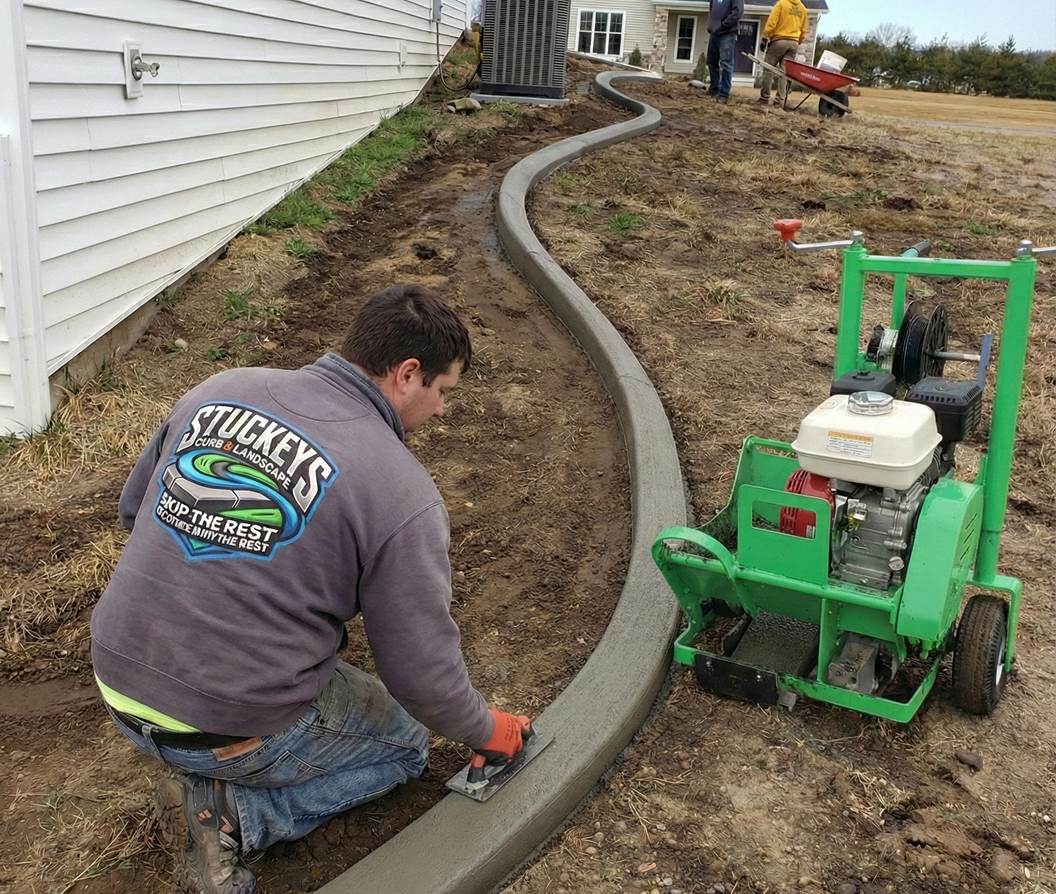
A worker uses a hand trowel to smooth a freshly poured, curved concrete landscape border next to a machine.

The lifespan of your concrete curbing isn't predetermined. Whether it lasts 10 years or several decades depends on decisions made before, during, and after installation. Here's what really matters when it comes to maximizing durability:


1. The Quality of Installation

Installation quality is, without a doubt, the single most important factor. Professional concrete curbing installations from experienced teams like ours ensure the job is done right from the start. Improper installation can lead to premature cracking, settling, and deterioration, dramatically shortening the lifespan of your curbing.


This includes proper ground preparation to prevent shifting and settling, using a high-strength concrete mix with steel reinforcement specifically designed for landscape curbing, and cutting control joints approximately every two to three feet to manage natural expansion and contraction. Control joints are particularly critical in our region, as they allow the curb to flex during freeze-thaw cycles without developing uncontrolled cracks.


2. Climate and Environment

In Toledo, we experience the full range of seasons, from hot, humid summers to freezing winters. These temperature swings can affect any concrete installation.


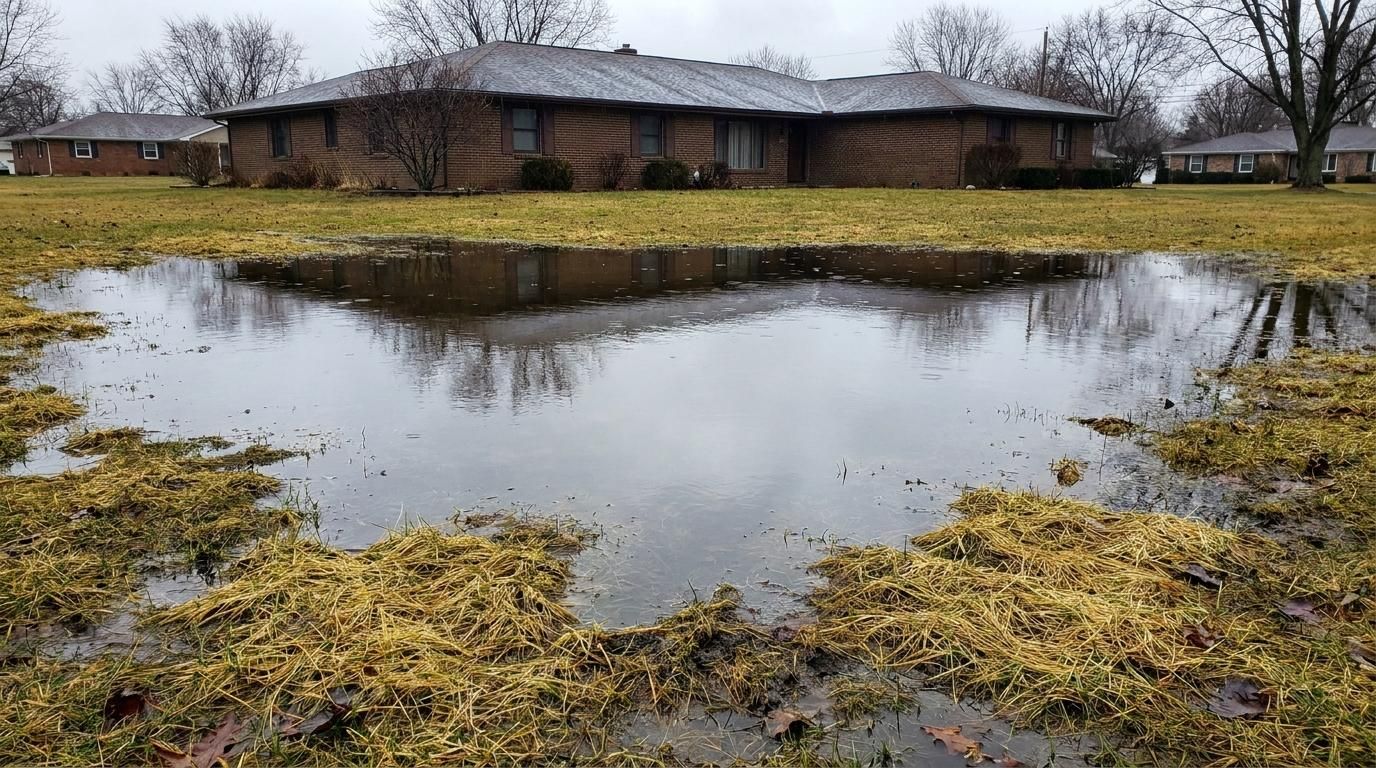
Freeze-thaw cycles are particularly important. Water that penetrates unsealed concrete can freeze and expand, causing cracks and surface flaking.


Given these facts, proper sealing is non-negotiable in our region since it protects the integrity of the decorative concrete curbing. When curbing is integrated into a comprehensive landscape design, proper grading and drainage planning further enhance its longevity.


The lifespan of concrete curbing is primarily determined by the quality of the initial installation, including proper ground preparation and the use of a correct concrete mix. Other factors include the local climate, the use of a protective sealer, and regular, basic maintenance to prevent damage.


How To Make Your Concrete Curbing Last Longer: Essential Maintenance Tips

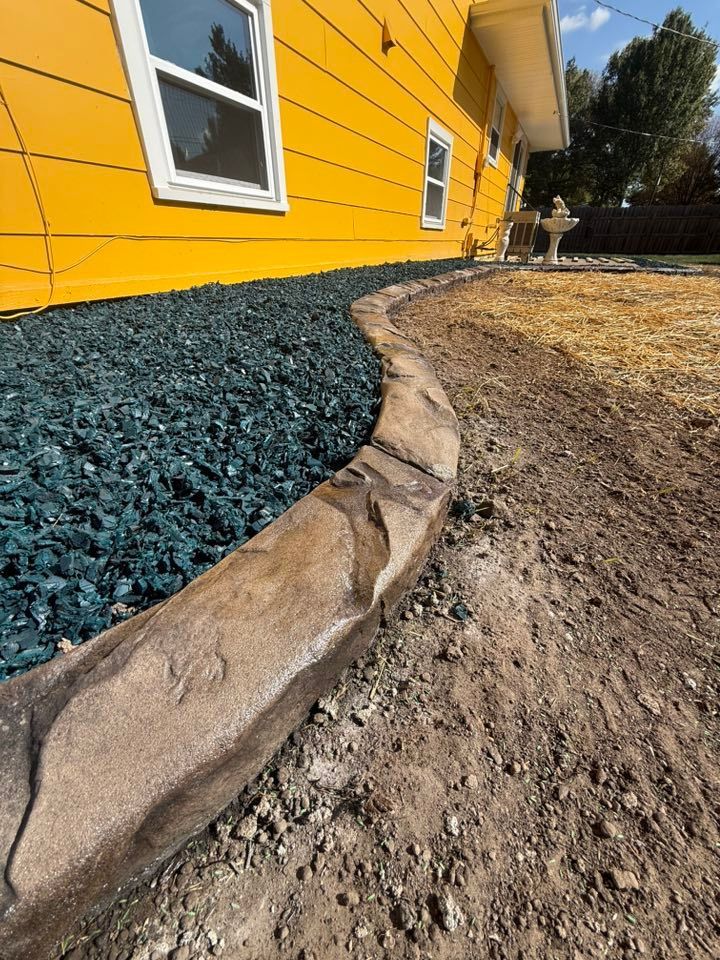
A low, stamped-concrete stone border separates blue gravel landscaping from a dirt yard next to a bright yellow house.

Once your beautiful new curbing is installed, a little maintenance goes a long way in maximizing its lifespan and keeping it looking pristine.


Seal It and Reseal It

Think of sealer as a shield for your curbing. It protects the concrete from moisture penetration, UV rays that can fade the color, and stains from dirt and debris. Without proper sealing, water can penetrate the concrete's pores and cause internal damage that weakens the structure over time.


We apply a high-quality sealer upon installation and strongly recommend resealing your curbing every 2–3 years. This simple step is the most effective way to preserve its color and structural integrity, a practice we've refined through dozens of decorative curbing projects completed throughout the Toledo area.


Keep It Clean

Regular cleaning prevents dirt and grime from setting into the concrete's pores. A simple rinse with a garden hose is often enough.


For more stubborn stains, a gentle scrub with a mild detergent and a soft-bristled brush will do the trick.


Avoid using harsh chemicals or a high-pressure power washer, as they can damage the sealer and the curb surface.


We've noticed that areas near downspouts or drainage paths accumulate mineral deposits and organic debris faster than other sections. These spots require extra attention, as they're most vulnerable to moisture damage when neglected.


Be Mindful of Heavy Equipment

While our curbing is durable, it isn’t designed to withstand the weight of heavy vehicles. Avoid driving over it with cars, trucks, or heavy riding lawn mowers.


When performing lawn maintenance, be careful around mower deck and string trimmer edges, which can chip or scar the curbing over time.


Get Durable Concrete Curbing With Stuckeys Curb & Landscape

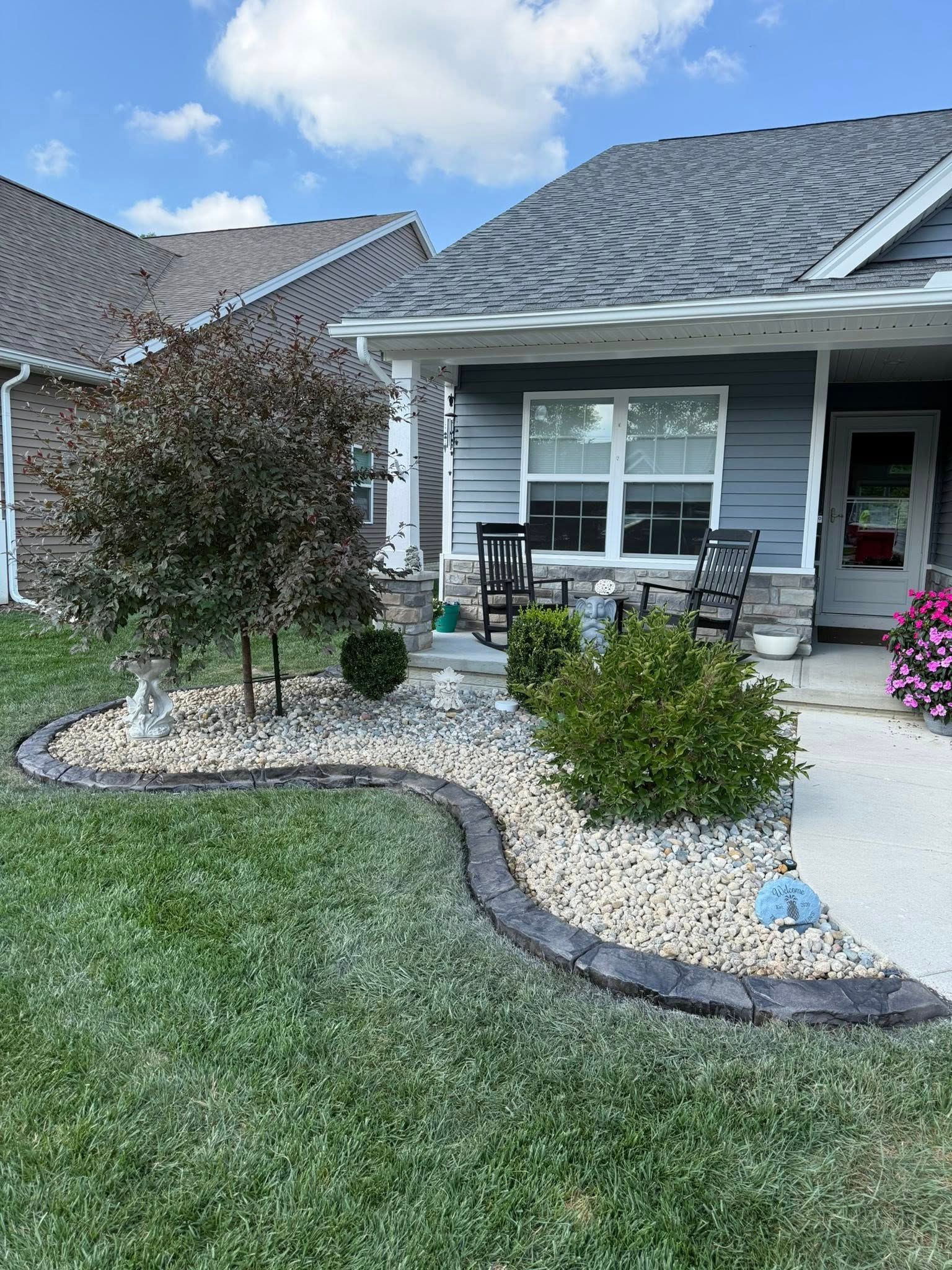
A landscaped garden bed with decorative gray stone curbing, light-colored gravel, a small tree, and green shrubs.

So, how long does concrete curbing last? With a professional installation from a trusted expert like Stuckey's Curb & Landscape and a simple maintenance routine, you can expect your curbing to beautify your landscape for decades. It's a durable, cost-effective, and stunning addition to any property in Sylvania, Perrysburg, and the surrounding communities.


The difference between curbing that lasts 10 years and curbing that lasts 40+ comes down to one decision: who you trust to install it. Don't leave your investment to chance. Contact us today for a free consultation and quote, and discover why homeowners throughout Northwest Ohio choose Stuckey's for landscape edging that truly stands the test of time.

Kentucky bluegrass close up
By Nate Stuckey May 29, 2026
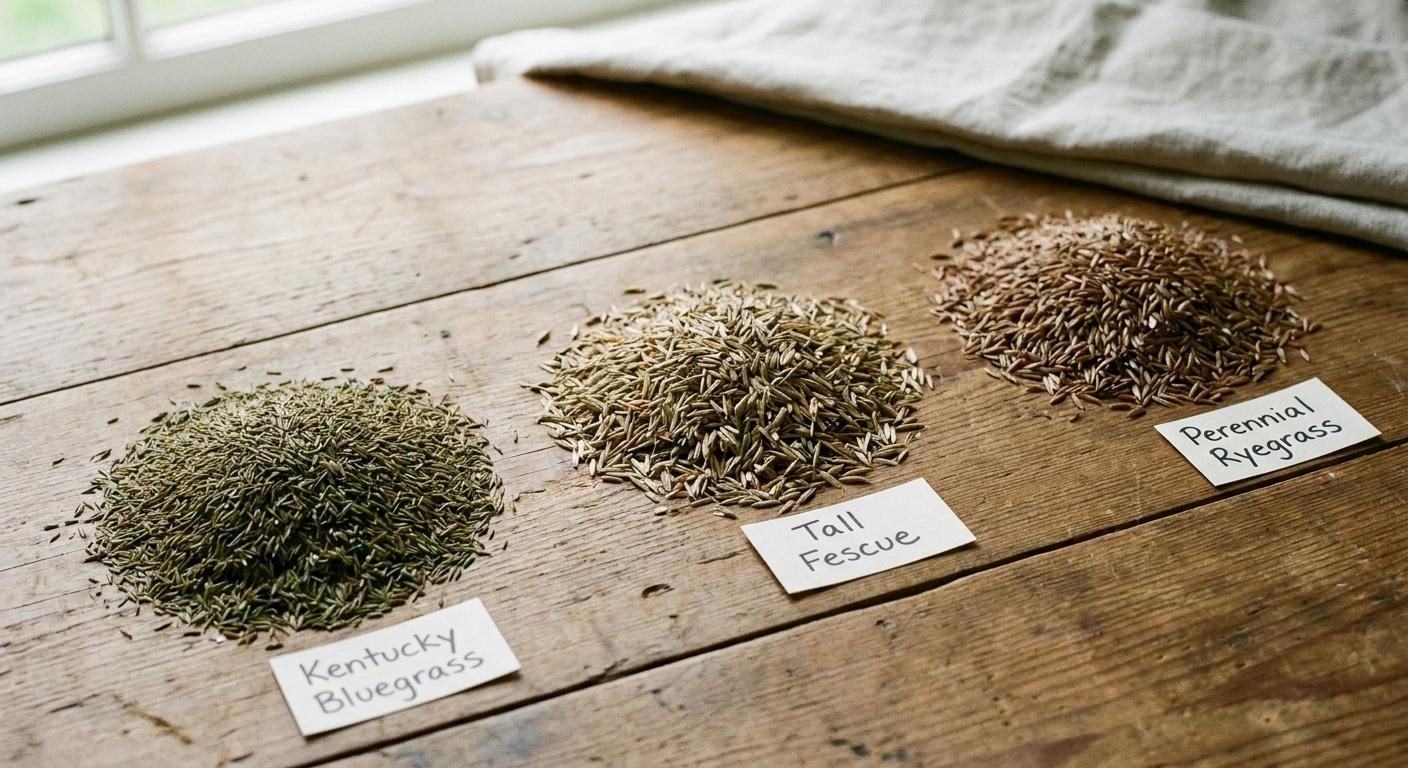
Discover the best grass seed for Ohio lawns. Weigh Kentucky bluegrass, tall fescue, perennial ryegrass, and the right blends for sun, shade, and high traffic.
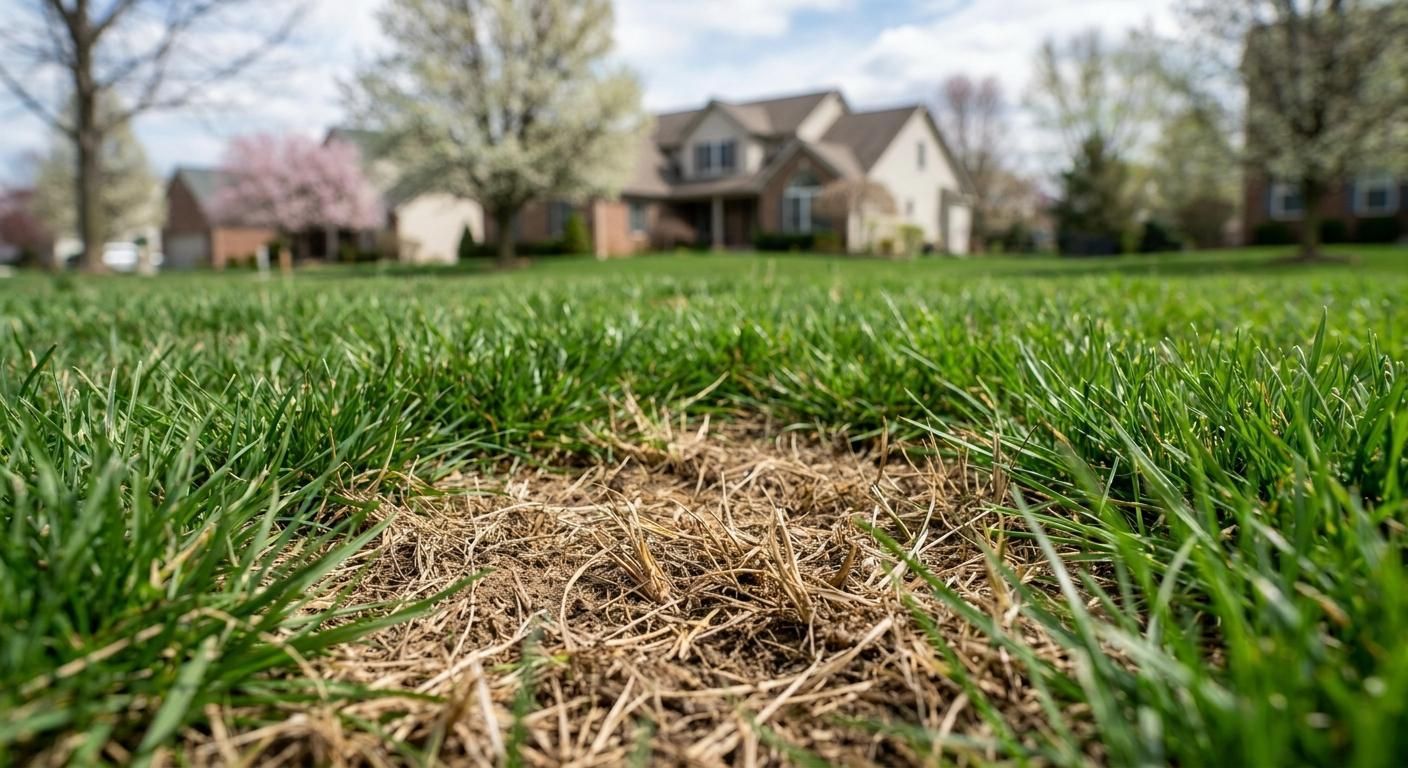
Common causes of bare spots in Ohio lawns
By Nate Stuckey May 25, 2026
Learn how to fix bare spots on your lawn step by step. Stuckey’s discusses the causes, soil prep, seeding, watering, and when to call a pro in northwest Ohio.
Decorative concrete curbing flower bed edging
By Nate Stuckey May 21, 2026
Explore 6 flower bed edging ideas compared by cost, lifespan, and maintenance. Consider concrete curbing, stone, brick, steel, rubber, & natural edges in Ohio.
Average bush trimming cost in northwest Ohio
By Nate Stuckey May 18, 2026
Learn the Bush Trimming Cost in Ohio for 2026, including per-bush rates, hourly pricing, what affects the price, & when to schedule trimming in northwest Ohio.
What thatch is and why it builds up
By Nate Stuckey May 15, 2026
Learn what lawn dethatching is, why Toledo lawns need it once thatch passes half an inch, and the best time to schedule it for fast recovery in northwest Ohio.
What mulch costs before delivery in Toledo
By Nate Stuckey May 10, 2026
See the mulch delivery cost in Toledo for 2026, including the pricing by mulch type, delivery fees, bulk vs. bagged comparison, and estimating your total.
The one-third rule every Ohio lawn needs
By Nate Stuckey May 6, 2026
Find out how often to mow your lawn in northwest Ohio by season. Covers spring, summer, & fall mowing frequency, the one-third rule, and ideal cutting heights.
Pruning spring-blooming shrubs right after flowering
By Nate Stuckey May 2, 2026
Learn when to trim bushes and shrubs in Ohio by plant species. Get Stuckey’s seasonal pruning calendar for boxwood, hydrangea, lilac, and more.
Single-story house with a manicured lawn and curved flower bed in front
By Nate Stuckey April 29, 2026
Compare 7 landscape edging options for Ohio yards: concrete curbing, steel, plastic, stone, brick, trench, and rubber. Ranked by durability, cost, and style.
Mulched garden bed with colorful flowers along a curved lawn beside a house
By Nate Stuckey April 21, 2026
Compare the 5 best mulch types for NW Ohio flower beds: hardwood, cedar, cypress, pine bark, and rubber. Local pros, cons, and pricing for Toledo-area yards.
Show More